
When it comes to creating high-end collectibles, display pieces, or functional art, two dominant methods stand out: traditional resin casting and modern 3D printing. Both produce impressive results, but the question remains—when judged on professionalism, realism, and finish quality, which one truly looks more polished and refined? The answer isn’t always straightforward. It depends on materials, post-processing, design intent, and application. This article breaks down the key differences, strengths, and limitations of each method to help you make an informed decision.
Understanding the Core Differences
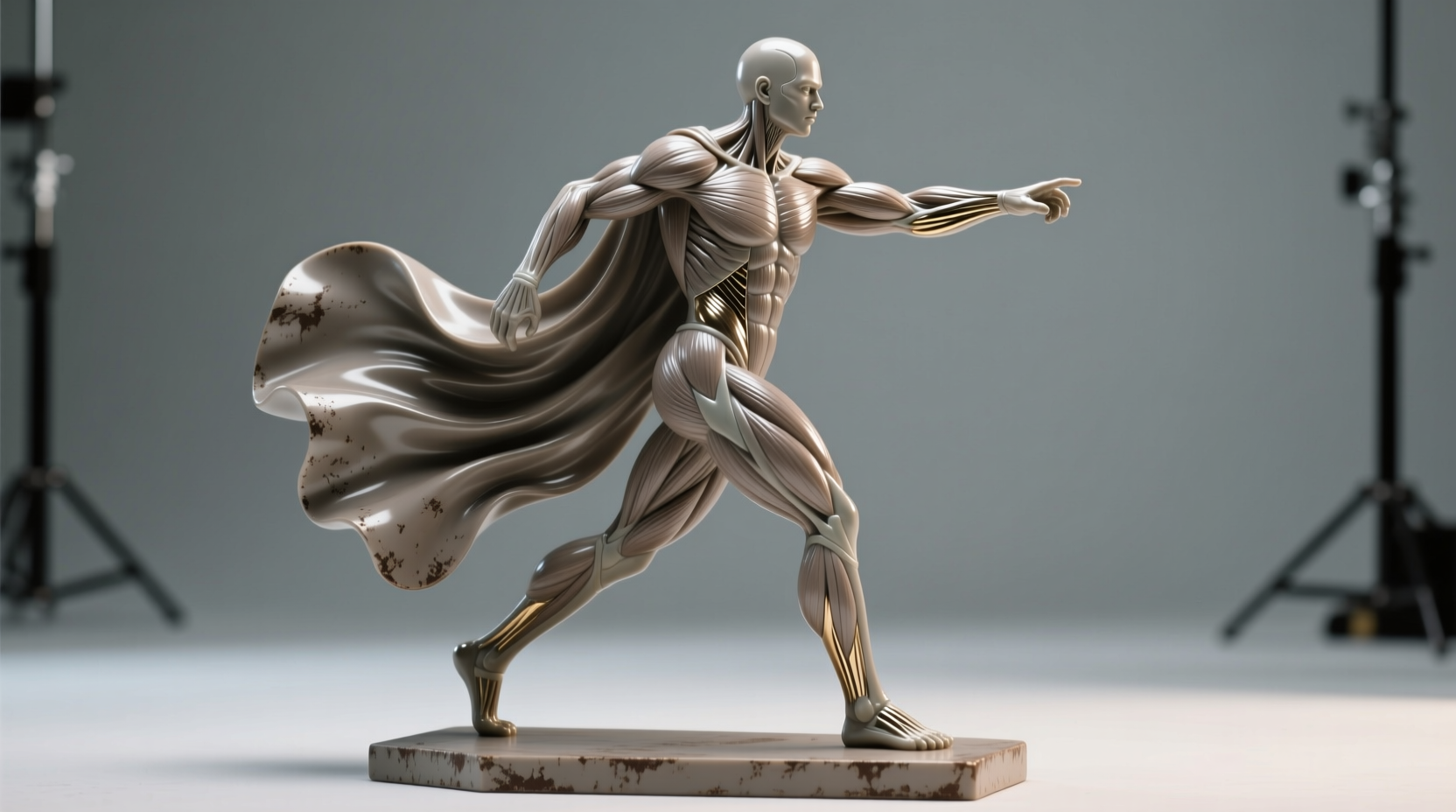
Resin statues are typically made using polyurethane or epoxy resins poured into silicone molds created from original master sculptures. These master models are often hand-sculpted by artists using clay or digital tools, then physically cast. The process allows for fine surface textures and is widely used in collectible figures, busts, and limited-edition art pieces.
On the other hand, 3D printed figures are built layer by layer using technologies like Fused Deposition Modeling (FDM), Stereolithography (SLA), or Selective Laser Sintering (SLS). SLA, in particular, has gained popularity for producing smooth, highly detailed miniatures and prototypes with precision unmatched by older 3D printing methods.
The manufacturing origin affects everything—from surface texture to scalability. Resin casting favors artisanal craftsmanship, while 3D printing leans toward technological precision and repeatability.
Detailed Comparison: Appearance and Finish Quality
Appearance is where perception of \"professionalism\" is most evident. A professionally finished piece should have clean lines, consistent surfaces, accurate proportions, and a sense of lifelike presence.
| Feature | Resin Statue | 3D Printed Figure |
|---|---|---|
| Surface Smoothness | Excellent when properly sanded and primed; seamless if mold lines removed | Depends on print resolution; SLA offers near-smooth finishes, FDM shows visible layer lines |
| Detail Precision | High, especially in facial features and fabric folds, if master was well-crafted | Extremely high in SLA prints; capable of capturing sub-millimeter details consistently |
| Consistency Across Copies | Minor variations due to mold wear or air bubbles | Near-perfect replication across units |
| Post-Processing Effort | Moderate to high: requires mold line removal, filling, sanding, and sealing | Variable: SLA needs washing and curing; FDM requires extensive sanding and gap-filling |
| Final Paint Readiness | Excellent; accepts primer and paint smoothly after prep | Good with SLA; porous layers in FDM can trap moisture and affect adhesion |
In terms of raw output, high-resolution SLA 3D printing now rivals—and sometimes exceeds—the detail level of mid-tier resin castings. However, premium resin statues made from expertly sculpted masters still hold an edge in emotional realism and artistic nuance.
Real-World Example: A Collector’s Dilemma
Consider Mark, a prop collector specializing in sci-fi memorabilia. He commissioned both a 3D-printed replica of a cyberpunk helmet and a limited-run resin bust of a classic character. The 3D-printed piece was flawless in symmetry and had intricate circuit patterns perfectly repeated on both sides. But under close inspection, faint layer lines disrupted the illusion of solidity. After several hours of sanding, priming, and clear-coating, it looked museum-grade—but only after significant labor.
The resin bust, though slightly more expensive, arrived with a silky matte finish, no seams on the face, and subtle muscle definition that felt alive. Minimal touch-ups were needed before painting. Despite being handmade, its consistency and depth impressed him more than the technically perfect—but soulless—3D print.
This illustrates a crucial point: professionalism isn't just about precision. It's about presence, texture, and the impression of care invested in the object.
“While 3D printing excels at replicating geometry, resin casting preserves the artist’s hand. That human touch translates into perceived value.” — Lena Torres, Prop Designer & Sculptor, 15+ years in film and collectibles
Step-by-Step Guide to Achieving a Professional Look
Regardless of your chosen method, achieving a professional appearance requires deliberate steps beyond the initial production phase. Here’s how to elevate either type of figure:
- Clean the Base Form: Remove support marks (3D print) or mold lines (resin). Use sharp scalpels and fine files.
- Sand Gradually: Start with 200-grit, move up to 600–1000 for smooth transitions. Wet sanding reduces dust and improves finish.
- Prime Before Painting: Apply multiple thin coats of plastic or metal primer. This reveals flaws and creates a uniform base.
- Paint with Layers: Use airbrushes or fine brushes. Build color gradually with washes and dry brushing for depth.
- Seal with Protection: Finish with UV-resistant matte or satin varnish to prevent yellowing and enhance durability.
Which Method Is Right for Your Project?
The choice between resin and 3D printing shouldn’t be based solely on which “looks more pro” in isolation. Instead, consider these factors:
- Production Scale: Need 500 identical units? 3D printing (especially SLA farms) wins. Want 20 unique art pieces? Resin casting offers better ROI and authenticity.
- Budget Constraints: High-detail 3D printers and resins are costly upfront, but eliminate mold-making expenses. Resin casting requires mold creation, which adds time and cost per design.
- Design Complexity: Overhangs, internal cavities, and moving parts favor 3D printing. Organic shapes with flowing hair or cloth drape suit hand-sculpted resin masters.
- Time Sensitivity: 3D printing allows rapid prototyping. Resin casting requires mold curing (24–72 hours), slowing iteration.
For commercial studios, hybrid workflows are becoming standard: digitally sculpt a model, 3D print a prototype, refine it by hand, then create a mold for resin production. This combines the best of both worlds.
Frequently Asked Questions
Can you tell the difference between a high-end resin statue and a professional 3D printed figure?
Yes, but only up close. Experts look for seam lines (common in resin), layer striations (in lower-quality prints), and inconsistencies in symmetry. With proper finishing, the distinction fades—especially when painted.
Is 3D printing replacing resin casting in the collectibles industry?
Not entirely. While 3D printing dominates prototyping and small-batch custom work, resin remains preferred for mass-produced art toys, busts, and limited editions due to lower per-unit cost at scale and superior surface feel.
Which material lasts longer?
UV-stabilized resin can last decades if kept out of direct sunlight. Standard 3D printing plastics like PLA degrade faster under light and heat. Resin generally wins in long-term durability, especially when sealed correctly.
Checklist: Ensuring a Professional Final Product
- ✅ Choose the right method based on volume, detail, and budget
- ✅ Inspect for defects immediately after demolding or printing
- ✅ Sand thoroughly through progressive grits
- ✅ Prime before any paint application
- ✅ Use high-quality acrylics or enamels with proper ventilation
- ✅ Apply at least two protective topcoats
- ✅ Store finished pieces away from humidity and UV exposure
Conclusion: It’s Not Just About the Method—It’s About Mastery
Ultimately, whether a resin statue or 3D printed figure looks more professional depends less on the technology and more on the skill behind it. A poorly finished resin piece with sloppy paint and visible seams will never impress, no matter the method. Conversely, a meticulously post-processed 3D print can rival gallery-quality sculptures.
Resin statues often carry a legacy of craftsmanship that collectors associate with premium quality. But modern 3D printing, particularly SLA, has closed the gap dramatically—offering precision, repeatability, and access to complex designs previously impossible to cast.
The future belongs to those who leverage both. Artists and manufacturers who blend digital innovation with traditional finishing techniques will produce the most convincing, professional-looking figures. Don’t ask which method is better—ask how you can use both to achieve excellence.




 浙公网安备
33010002000092号
浙公网安备
33010002000092号 浙B2-20120091-4
Comments
No comments yet. Why don't you start the discussion?