
When the open road calls, entertainment becomes essential—especially on long drives or cross-country flights. For gamers, the question isn’t whether to bring a device, but which one. The retro handheld console has seen a nostalgic resurgence, with compact replicas of classic systems like the Game Boy, Sega Game Gear, and Atari Lynx flooding the market. Meanwhile, Nintendo’s Switch Lite remains a dominant force in portable gaming, offering full access to a modern library of high-definition titles. So, when it comes to travel, which device delivers a better experience?
The answer depends on what you value most: simplicity and nostalgia, or performance and versatility. Let’s break down the key factors that matter during extended travel—from battery life and durability to game selection and usability—and determine which handheld truly earns its place in your carry-on.
Battery Life and Charging Practicality
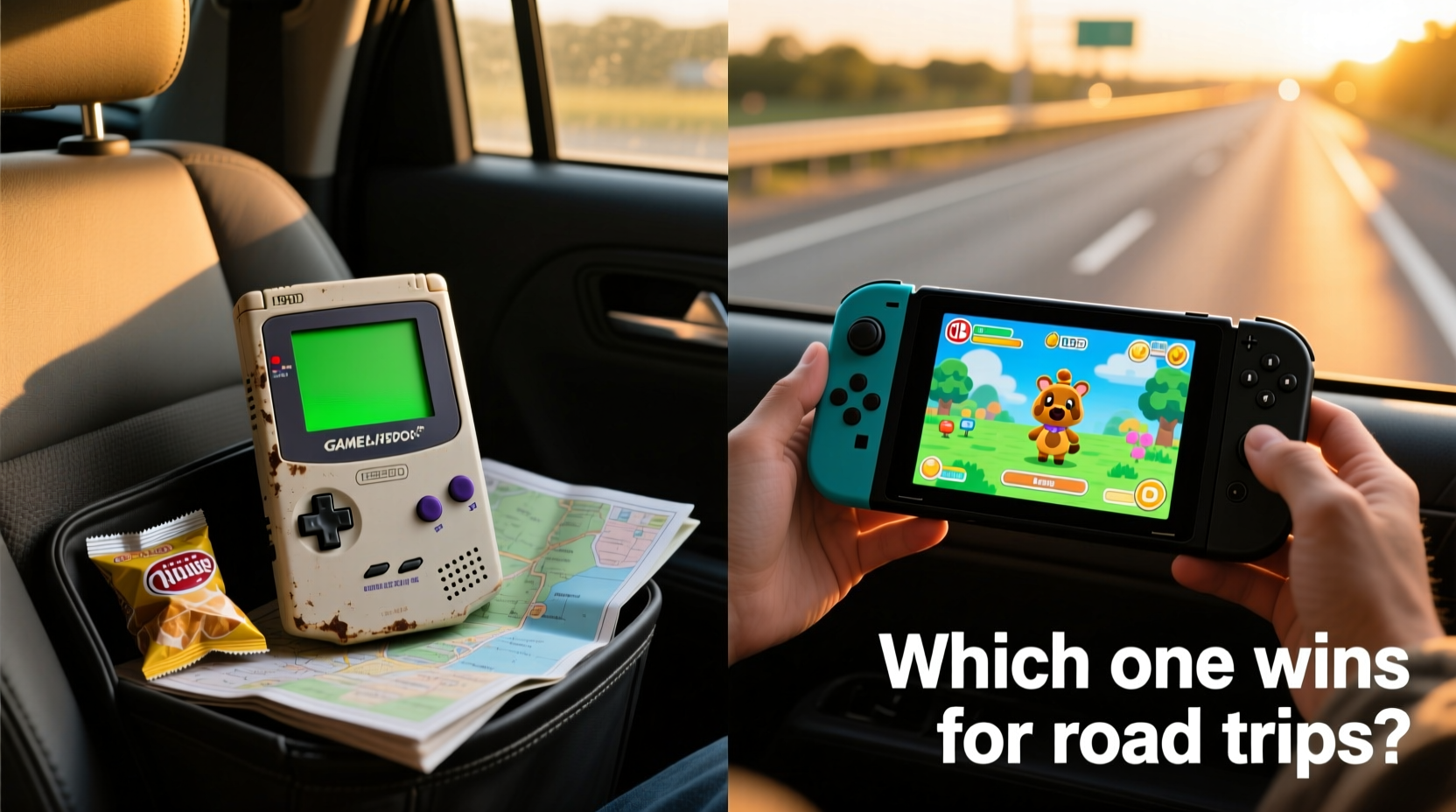
One of the most critical considerations for any road trip device is how long it lasts between charges. Modern travelers often face limited access to outlets, especially on planes, trains, or remote drives. Here, retro handhelds surprisingly hold an edge.
Many retro consoles, such as the Analogue Pocket or various off-brand Game Boy Color clones, are built with efficient hardware and smaller screens. As a result, they can run for 6 to 10 hours on a single charge—sometimes longer if using replaceable AA batteries. This modularity means you can carry spare alkaline batteries instead of relying solely on a power bank.
In contrast, the Switch Lite offers around 3 to 7 hours of gameplay depending on brightness and game intensity. While this range covers most casual sessions, graphically demanding titles like Hollow Knight: Silksong or The Legend of Zelda: Breath of the Wild drain the battery quickly. You’ll likely need to recharge mid-trip unless you pack a high-capacity USB-C power bank.
Game Library and Play Variety
The strength of a handheld lies in its games. The Switch Lite gives you access to over 5,000 titles via the eShop, including critically acclaimed exclusives like Super Mario Odyssey, Metroid Dread, and Fire Emblem: Three Houses. Indie developers also favor the platform, meaning fresh, innovative games arrive weekly. If you enjoy diverse genres and modern gameplay mechanics, the Switch Lite is unmatched.
Retro handhelds, however, are limited by design. Most play cartridges from older systems (Game Boy, NES, Genesis) or pre-loaded ROMs. While this provides authentic pixel-art experiences and timeless classics like Tetris, Sonic the Hedgehog, or Zelda: Link’s Awakening, the selection is narrow. You’re essentially replaying history—not discovering new frontiers.
That said, there's emotional value in revisiting childhood favorites. For some travelers, reliving those memories is more satisfying than chasing trophies in a new RPG. Additionally, retro games tend to be shorter and easier to pick up mid-session, making them ideal for fragmented travel time—like waiting at a rest stop or boarding a flight.
“Nostalgia isn’t just sentiment—it’s cognitive comfort. Familiar games reduce mental fatigue during travel stress.” — Dr. Lena Tran, Cognitive Psychologist specializing in digital leisure
Portability and Durability
Road trips are rough on electronics. Bumps, spills, temperature changes, and being tossed into backpacks all take a toll. How each device holds up matters.
The Switch Lite, while sleek and well-built, has a large glass screen and no protective cover. A drop onto concrete or even a hard floor can crack the display. It’s also wider and less pocket-friendly than most retro units. Though lightweight at 275 grams, its size makes it awkward to hold for extended periods without hand strain.
Retro handhelds vary in build quality, but many third-party models use rugged ABS plastic and smaller, shatter-resistant LCD screens. Some even feature rubberized grips or shock-absorbing casings. Their compact form factor—often under 15 cm tall—makes them easy to slip into a jacket pocket or glove compartment. However, cheaper models may have stiff buttons or poor screen clarity, so buyer discretion is advised.
| Feature | Retro Handheld (e.g., Analogue Pocket) | Switch Lite |
|---|---|---|
| Weight | 180–220g | 275g |
| Screen Size | 3.5” – 4.3” | 5.5” |
| Durability | Generally sturdy; some use replaceable parts | Glass screen prone to cracking |
| Pocket-Friendly? | Yes | Limited |
| Drop Resistance | Moderate to high | Low to moderate |
User Experience and Comfort
Comfort during prolonged use separates a good travel companion from a frustrating one. The Switch Lite features responsive analog sticks, shoulder buttons, and HD rumble—features absent on most retro devices. These enhance gameplay in action-adventure, platforming, and racing titles. Its screen resolution (720p) is sharp, with vibrant colors and excellent visibility in daylight.
Retro handhelds typically offer only D-pads and basic face buttons. No analog control limits their usefulness for modern-style games. Screens are lower resolution, often with noticeable pixelation or motion blur. Backlighting varies—some units have dim or uneven lighting, making night use difficult. However, purists appreciate the authenticity: playing Pokémon Red on a near-original screen feels closer to the 1998 experience.
Ergonomics also differ. The Switch Lite’s wider body distributes weight evenly but can feel bulky after two hours. Smaller retro units fit snugly in one hand, reducing fatigue. That said, tiny buttons on miniaturized replicas may frustrate users with larger fingers.
Mini Case Study: A Cross-Country Family Road Trip
Mark, a father of two from Denver, recently drove 1,800 miles to visit family in Florida. He brought both a retro handheld pre-loaded with Game Boy Advance titles and his daughter’s Switch Lite running Animal Crossing: New Horizons and Luigi’s Mansion 3.
His 8-year-old preferred the Switch Lite for its colorful graphics and voice chat with friends. She played daily, but needed recharging every evening. Mark himself gravitated toward the retro unit during long stretches of highway driving, enjoying uninterrupted sessions of Metroid Fusion without worrying about battery alerts.
“I didn’t expect to get hooked again,” he said. “There’s something calming about simple controls and predictable gameplay when you’re tired. The Switch was fun, but the retro felt more relaxing.”
The dual-device approach worked best—but not everyone wants to carry two systems.
Step-by-Step Guide: Choosing Your Travel Console
Follow this decision framework to select the right handheld for your next journey:
- Assess your trip length and charging access. If you’re flying or driving through rural areas, prioritize battery longevity. Choose a retro handheld with AA support or exceptional efficiency.
- Consider who’s playing. Kids often prefer modern visuals and social features. Adults may appreciate retro simplicity. Match the device to the primary user.
- Evaluate game preferences. Do you want to replay classics or explore new releases? The Switch Lite wins for variety; retro consoles win for nostalgia.
- Test comfort and grip. Hold both devices in-store or watch extended hands-on reviews. Pay attention to button layout and wrist strain.
- Weigh repairability. Can you replace parts? Is customer support available? Retro units with modular designs (like the Analogue Pocket) allow screen swaps. Nintendo repairs require shipping and fees.
- Factor in cost. The Switch Lite retails at $199. High-end retro consoles like the Analogue Pocket cost $200+, while budget clones start at $50. Decide how much you’re willing to invest.
Frequently Asked Questions
Can I play multiplayer games on either device during a trip?
The Switch Lite supports local wireless play with other Switch systems, allowing multiplayer in games like Super Smash Bros. Ultimate or Overcooked! All You Can Eat. Retro handhelds lack native multiplayer connectivity unless linked via cable (e.g., Game Boy link cable), which is impractical on the go. For shared fun, the Switch Lite is superior.
Are retro handhelds legal?
Hardware replicas are legal. However, pre-installed ROMs of copyrighted games often violate intellectual property laws unless you own the original cartridge. Legally, you should load your own backups or purchase licensed game cards (offered by companies like Analogue).
Which device is better for kids?
The Switch Lite is better suited for children. Its parental controls, bright interface, and family-friendly game library make it safer and more engaging. Many retro handhelds lack safeguards and rely on complex setup for game loading, which isn’t kid-friendly.
Final Verdict: Which Should You Pack?
The “better” device depends on your priorities.
If you crave **long battery life, durability, and nostalgic simplicity**, a retro handheld—especially a premium model like the Analogue Pocket—is an excellent travel companion. It’s light, reliable, and immune to the distractions of online updates or notifications. For solo travelers, commuters, or adults seeking low-stress downtime, it’s ideal.
But if you want **versatility, modern graphics, multiplayer options, and a constantly expanding game library**, the Switch Lite is the clear winner. It transforms into a full-fledged gaming system wherever you go, connecting you to both single-player epics and social play. Families, younger gamers, and those who value variety will find it indispensable.
For maximum flexibility, consider owning both. Use the retro console for quiet moments, short bursts, or when conserving power. Reserve the Switch Lite for immersive sessions when charging is available.
“The best travel tech doesn’t do everything—it does one thing exceptionally well, exactly when you need it.” — Sarah Kim, Senior Editor at *Portable Gamer Magazine*
Take Action: Optimize Your Travel Gaming Setup
Don’t just choose a device—optimize it. Transfer save files in advance, download offline content, adjust brightness settings, and pack necessary accessories. Whether you go retro or modern, preparation ensures seamless enjoyment from departure to destination.




 浙公网安备
33010002000092号
浙公网安备
33010002000092号 浙B2-20120091-4
Comments
No comments yet. Why don't you start the discussion?