
In living rooms across the world, a quiet design battle rages—one that plays out on coffee tables, nightstands, and entryway consoles. The retro tissue box, with its ornate carvings, floral patterns, and nostalgic charm, is staging a subtle resurgence. Meanwhile, modern tissue box holders continue to dominate with their minimalist lines, matte finishes, and space-saving functionality. But which style truly belongs in today’s homes? Is the retro revival just a passing trend, or does it offer lasting value? And can modern designs match the emotional warmth of vintage-inspired pieces?
This isn’t just about aesthetics—it’s about how we live, what we value in our spaces, and how everyday objects contribute to our sense of comfort and identity. As interior design shifts toward personalized, expressive environments, even something as mundane as a tissue box holder becomes a meaningful choice.
The Rise and Fall (and Return?) of the Retro Tissue Box
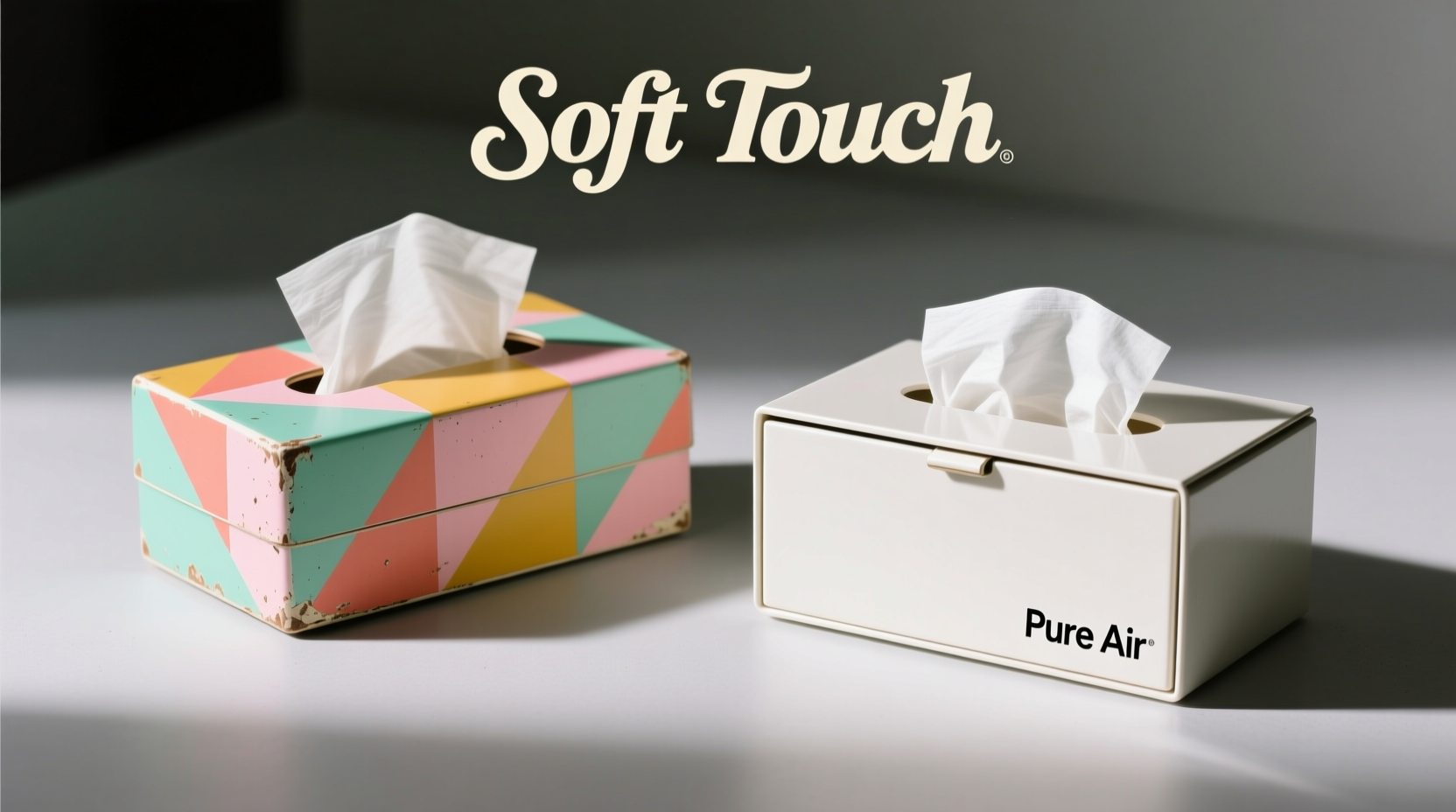
Retro tissue boxes were once staples of mid-century American homes. Think 1950s chrome-trimmed metal boxes, 1970s walnut wood cabinets with sliding fronts, or 1980s ceramic models shaped like animals or teapots. These weren’t merely functional—they were conversation starters, family heirlooms, and reflections of personality.
By the 1990s and early 2000s, these gave way to simpler plastic or fabric-covered boxes, often hidden in drawers or behind couch cushions. The emphasis shifted from display to discretion. But in recent years, vintage-inspired home goods have re-entered mainstream consciousness. Platforms like Etsy, Instagram, and Pinterest are filled with upcycled retro boxes, handmade replicas, and collectors proudly showcasing decades-old tissue holders.
Interior designer Lena Patel observes:
“People are tired of sterile, cookie-cutter interiors. They want objects with history, character, and tactile richness. A retro tissue box isn’t just useful—it tells a story.” — Lena Patel, Interior Stylist & Vintage Advocate
Modern Tissue Holders: Function Meets Minimalism
Modern tissue box holders prioritize clean lines, neutral palettes, and integration into contemporary decor. Common materials include brushed steel, frosted acrylic, ceramic with matte glazes, and sustainable bamboo. Many feature hidden compartments, magnetic lids, or wall-mounted options to save surface space.
The appeal lies in efficiency and cohesion. In small apartments or high-traffic areas like offices and lobbies, modern holders blend seamlessly without drawing attention. Their simplicity aligns with Scandinavian, Japandi, and industrial design trends that emphasize clutter-free environments.
Yet critics argue this minimalism can feel cold. “A lot of modern tissue boxes look like they belong in a lab,” says furniture historian Dr. Marcus Bell. “They solve a problem but don’t enrich the room.”
Design Comparison: Retro vs. Modern at a Glance
| Feature | Retro Tissue Box | Modern Tissue Box |
|---|---|---|
| Aesthetic | Vintage, decorative, nostalgic | Minimalist, sleek, understated |
| Materials | Wood, ceramic, metal, vinyl | Plastic, aluminum, silicone, bamboo |
| Lifespan | Often decades; collectible quality | 3–7 years depending on use |
| Functionality | May require manual refill access | Top/side loading, easy access |
| Space Efficiency | Bulkier; meant to be seen | Compact; designed to fit tight spaces |
| Eco Impact | Often durable, long-lasting | Mixed—some recyclable, others plastic-heavy |
Real-Life Example: The Johnson Family Living Room Makeover
The Johnsons, a family of four in Portland, recently renovated their living room with a “warm modern” theme. They initially chose a matte black rectangular tissue holder to match their media console. But after six months, they found it felt “forgotten” and “impersonal.”
During a visit to a local flea market, they discovered a 1960s Danish teak tissue box with brass inlays. It was slightly more expensive to restore, but once cleaned and re-lined with a custom insert for standard tissues, it became a focal point. “It draws compliments every time guests come over,” says Sarah Johnson. “Plus, my kids actually remember to close it now because they don’t want to ‘mess up the nice box.’”
This case illustrates a broader shift: when people invest emotionally in an object, they tend to care for it better—and use it more thoughtfully.
How to Choose: A Practical Checklist
Whether you lean nostalgic or minimalist, use this checklist to make the right decision for your space:
- ✅ Consider the room’s primary function—is it formal, high-traffic, or personal?
- ✅ Measure available surface area—do you have space to display, or need compact storage?
- ✅ Match the material to your existing decor (e.g., wood tones, metallic finishes).
- ✅ Think long-term: Do you want something lasting and potentially heirloom-quality?
- ✅ Evaluate ease of use—can you refill tissues quickly without removing the cover?
- ✅ Assess maintenance needs—does dust accumulate easily? Is it hard to clean?
- ✅ Decide if you want the box to stand out or disappear into the background.
Tips for Blending Styles
You don’t have to pick one side. Many designers now mix retro and modern elements for balanced, layered spaces. Here’s how:
- Use a retro box in a modern room as a single accent piece—this prevents clutter while adding character.
- Add modern inserts to vintage boxes (custom-cut plastic trays) to improve usability.
- Group with other curated objects—a retro tissue box beside a smart speaker feels intentional, not outdated.
- Paint or refinish older boxes to match current color schemes (e.g., spray-paint a brass frame matte black).
Frequently Asked Questions
Are retro tissue boxes harder to refill than modern ones?
Some retro models require removing the entire top or sliding panel, which can be less convenient than modern top-load designs. However, many vintage-style reproductions now incorporate practical refill hatches while preserving aesthetic appeal.
Can I use standard tissue boxes in decorative retro holders?
Most retro tissue boxes were designed for standard 2-ply facial tissue dimensions (approx. 4.5 x 4.5 x 5 inches). Always check internal measurements before purchasing. Some antique boxes may need folded tissues or custom inserts.
Is there a hygiene advantage to modern sealed designs?
Yes. Many modern holders feature flip-top lids, antimicrobial coatings, or enclosed sides that reduce dust and germ exposure. Retro open-top designs, while stylish, expose tissues to air and contaminants unless covered.
The Verdict: Nostalgia With a Nod to Now
The retro tissue box isn’t fully replacing its modern counterpart—but it’s no longer obsolete. Instead, we’re seeing a cultural pivot toward meaningful design. People crave authenticity, craftsmanship, and emotional resonance in their homes. A beautifully carved wooden box from the 1960s offers that in ways a mass-produced plastic model cannot.
At the same time, modern holders win on convenience, hygiene, and adaptability—especially in shared or compact spaces. The future likely isn’t “either/or,” but “both/and.” Homes are becoming more eclectic, embracing both the charm of the past and the efficiency of the present.
The clean lines of modern design aren’t going away. But neither is the desire for soulful, tactile objects that reflect who we are. The tissue box, humble as it is, has become a symbol of this balance.




 浙公网安备
33010002000092号
浙公网安备
33010002000092号 浙B2-20120091-4
Comments
No comments yet. Why don't you start the discussion?