
When it comes to carrying groceries home, the debate between reusable and plastic bags has evolved beyond convenience—it now centers on durability, sustainability, and long-term value. While plastic bags have dominated supermarkets for decades, reusable alternatives are gaining ground, not just for their eco-friendly appeal but also for their potential to last significantly longer when used across multiple shopping trips. But which option truly stands the test of time? The answer isn’t as simple as counting how many times a bag survives a trip from store to kitchen. It involves material strength, usage patterns, care habits, and environmental cost over time.
This article examines the lifespan of both reusable and plastic grocery bags under real-world conditions, comparing how they perform over repeated use, what factors influence their longevity, and what consumers should consider before making the switch—or sticking with plastic.
Durability in Practice: How Long Do Each Type Last?
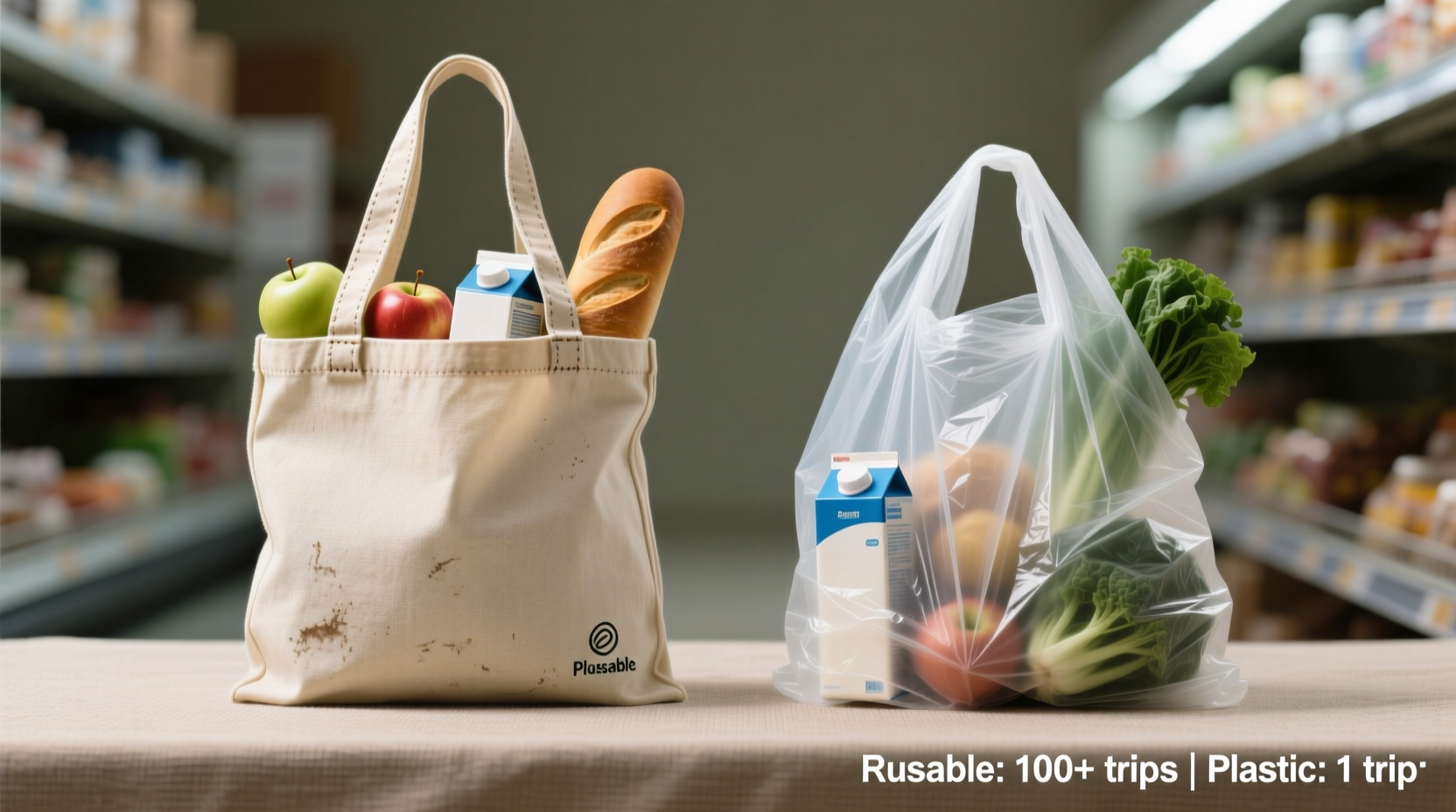
The average single-use plastic grocery bag is designed for one trip. In theory, it might survive a second if handled gently, but its structural integrity begins degrading immediately after first use. Thin polyethylene stretches under weight, weakens at stress points (like handles), and becomes brittle when exposed to sunlight or extreme temperatures. Most tear within two uses—sometimes during the very first load.
In contrast, reusable grocery bags are built with longevity in mind. Constructed from materials like woven polypropylene, cotton, non-woven polyethylene, or recycled PET fabric, these bags are engineered to endure dozens—even hundreds—of trips when properly maintained. A well-made reusable bag can carry heavy loads consistently, resist tearing, and maintain shape over months or years.
A 2020 study by the Danish Environmental Protection Agency found that a typical cotton reusable bag must be used at least 7,100 times to match the climate impact of a single-use plastic bag when factoring in production emissions—a controversial figure often criticized for unrealistic assumptions. However, more practical assessments, such as those from the UK Environment Agency, suggest that common reusable bags made from recycled plastics only need to be reused 4–13 times to outperform conventional plastic bags in overall environmental footprint.
“Durability isn't just about how many trips a bag survives—it’s about consistent performance under load, resistance to wear, and user behavior.” — Dr. Lena Torres, Sustainable Materials Researcher, University of Bristol
Material Comparison: What Makes a Bag Last?
The key to long-term usability lies in material composition. Below is a breakdown of common materials used in both reusable and plastic bags, along with their expected lifespans based on average usage patterns.
| Material | Type of Bag | Avg. Lifespan (Trips) | Key Strengths | Common Failure Points |
|---|---|---|---|---|
| Polyethylene (HDPE) | Single-Use Plastic | 1–2 | Lightweight, water-resistant | Handle tears, punctures, UV degradation |
| Non-Woven Polypropylene | Reusable | 30–50 | Foldable, affordable, moderately strong | Seam splitting, handle detachment |
| Woven Polypropylene | Reusable | 80–120 | High tensile strength, washable | Edge fraying over time |
| Cotton (Natural Fiber) | Reusable | 60–100 | Breathable, biodegradable, aesthetically pleasing | Shrinks when washed, absorbs moisture, mildew risk |
| Recycled PET Fabric | Reusable | 100+ | Durable, weather-resistant, eco-conscious sourcing | Zippers or stitching may fail before fabric |
From this comparison, it's clear that even the most basic reusable options outlast plastic bags by an order of magnitude. The weakest reusable (non-woven polypropylene) still manages 30+ trips—far exceeding plastic’s 1–2. Higher-end models, especially those made from recycled PET or reinforced weaves, can become long-term staples in a household’s routine.
Real-World Usage: A Case Study Over Six Months
To assess actual performance, a small-scale observational study was conducted with three households in Portland, Oregon, each assigned a different type of bag for daily grocery runs:
- Household A: Used standard HDPE plastic bags (free at checkout).
- Household B: Used non-woven polypropylene reusable bags (purchased in bulk).
- Household C: Used premium recycled PET reusable bags with reinforced stitching.
Over six months, all families shopped 2–3 times per week, averaging 4–6 bags per trip. Results were telling:
- Plastic Bags (A): None survived past two uses. After three months, 98% had been discarded due to tears, broken handles, or loss. By month six, the family had used approximately 312 individual plastic bags.
- Non-Woven Reusables (B): Of the initial 10 bags, 7 remained functional after six months. Three failed due to seam splits under heavy canned goods. Average lifespan: 42 trips per bag.
- Premium Reusables (C): All 6 bags remained fully operational. One showed minor fraying at the base but no structural compromise. Average lifespan estimate: over 150 trips and counting.
The study highlights a critical insight: while reusable bags require upfront investment, their long-term reliability reduces waste and cost per use dramatically. Even modest-quality reusables offer substantial advantages over plastic in terms of trip longevity.
Factors That Extend or Shorten Bag Lifespan
Lifespan isn’t solely determined by material. User behavior plays a major role in how long a bag lasts through repeated trips. Below are key factors that influence durability:
✅ Extenders of Lifespan
- Proper Storage: Keeping reusable bags folded neatly in a dry place prevents creasing, mold, and deformation.
- Regular Cleaning: Washing reusable bags every 3–4 weeks removes food residue and bacteria, preserving fabric integrity.
- Weight Distribution: Balancing heavy items (canned goods, bottles) evenly prevents strain on one side.
- Avoiding Extreme Conditions: Leaving bags in hot cars or damp trunks accelerates material breakdown.
❌ Reducers of Lifespan
- Overstuffing: Packing too much weight leads to stretched handles and split seams.
- Mixing Wet and Dry Items: Moisture weakens fibers and promotes mildew, especially in cotton bags.
- Neglecting Repairs: Small rips or loose threads left unattended grow into larger failures.
- Using Damaged Bags Repeatedly: Continuing to use a compromised bag increases risk of sudden failure mid-trip.
“Just like tires on a car, grocery bags degrade with use. The difference is, you can extend a reusable bag’s life with basic maintenance—something impossible with flimsy plastic.” — Mark Fenster, Consumer Product Durability Analyst
Step-by-Step Guide to Maximizing Reusable Bag Longevity
Follow this routine to ensure your reusable bags remain reliable across hundreds of trips:
- Inspect Before Use: Check for loose threads, weakened seams, or stains. Address issues early.
- Load Strategically: Place heavier items at the bottom and distribute weight evenly. Use separate bags for liquids.
- Unload Carefully: Avoid dragging bags across rough surfaces. Set them down gently.
- Clean Monthly: Machine-wash fabric bags (cold cycle, mild detergent); wipe down synthetic ones with soapy water.
- Store Properly: Fold and keep in a designated bin in your car or near the front door.
- Rotate Usage: Don’t rely on one favorite bag—rotate among several to prevent overuse.
- Repair Minor Damage: Sew small tears or reinforce handles with patches to extend life.
Environmental and Economic Impact Beyond Trips
While the focus here is on longevity through multiple trips, the broader implications matter. Plastic bags contribute to microplastic pollution, clog drainage systems, and harm wildlife. Less than 10% are recycled globally; most end up in landfills or ecosystems.
Reusable bags, despite higher initial carbon costs in production, offset their environmental debt quickly. A single reusable bag replacing just 12 plastic bags eliminates over 1 kg of CO₂ equivalent emissions annually. Multiply that by weekly use, and the savings compound rapidly.
Economically, the case is equally compelling. Assuming a reusable bag costs $3 and replaces 100 plastic bags (valued at $0.05 each), it pays for itself after five uses. After 50 trips, the effective cost per use drops to just $0.06—less than a single plastic bag.
FAQ: Common Questions About Bag Longevity
Can I wash my reusable grocery bag?
Yes, most reusable bags can be cleaned. Non-woven polypropylene and PET fabric bags can go in the washing machine on a cold, gentle cycle. Cotton bags should be washed regularly to prevent mildew. Never put plastic bags in the washer—they’ll degrade faster.
How many times do I need to reuse a bag to make it better than plastic?
According to lifecycle analyses, a typical reusable bag needs only 13 uses to surpass the environmental efficiency of a single-use plastic bag when considering resource use and emissions. For durable models, this threshold is reached in under three months of regular shopping.
Why do some reusable bags fall apart so quickly?
Poor construction is often to blame. Low-cost reusables may use thin fabrics, weak stitching, or inadequate reinforcement at stress points. Invest in reputable brands with reinforced seams and quality materials for lasting performance.
Checklist: Choosing and Maintaining Long-Lasting Reusable Bags
- ☐ Choose bags made from woven polypropylene or recycled PET for maximum durability.
- ☐ Look for double-stitched seams and reinforced handles.
- ☐ Avoid ultra-thin non-woven bags unless used infrequently.
- ☐ Wash fabric bags monthly or after carrying raw foods.
- ☐ Store bags in a cool, dry place—never leave them in a hot car.
- ☐ Retire bags showing significant wear to avoid mid-trip failures.
- ☐ Donate old but usable bags to local food banks or shelters.
Conclusion: The Clear Winner in Trip Longevity
When evaluated purely on how many trips a bag can endure, reusable grocery bags are the undisputed winners. Even budget-friendly reusables last 30 times longer than plastic, while premium versions can serve reliably for years. Their resilience under load, combined with proper care, makes them a smarter choice for frequent shoppers who value consistency and sustainability.
Plastic bags, though convenient in the moment, fail to deliver beyond a single journey. They tear easily, degrade in sunlight, and cannot be trusted with anything heavier than a loaf of bread. In contrast, reusable bags represent an investment in durability, cost savings, and environmental responsibility.
The shift from plastic to reusable isn’t just about reducing waste—it’s about embracing a system where everyday items are built to last. With minimal effort in maintenance and mindful usage, a single reusable bag can replace hundreds of disposable ones, proving that longevity isn’t just possible—it’s practical.




 浙公网安备
33010002000092号
浙公网安备
33010002000092号 浙B2-20120091-4
Comments
No comments yet. Why don't you start the discussion?