
When it comes to transporting groceries—especially perishable items like dairy, meat, or frozen foods—keeping contents cold is essential. The choice between insulated reusable grocery bags and standard canvas bags may seem minor, but it has a significant impact on food safety, convenience, and overall shopping efficiency. While both types promote sustainability over single-use plastic, only one is engineered to maintain low temperatures during transit. This article dives deep into the performance differences, material science, and real-world utility of insulated versus regular canvas bags when it comes to preserving cold food.
How Temperature Affects Food Safety During Transport
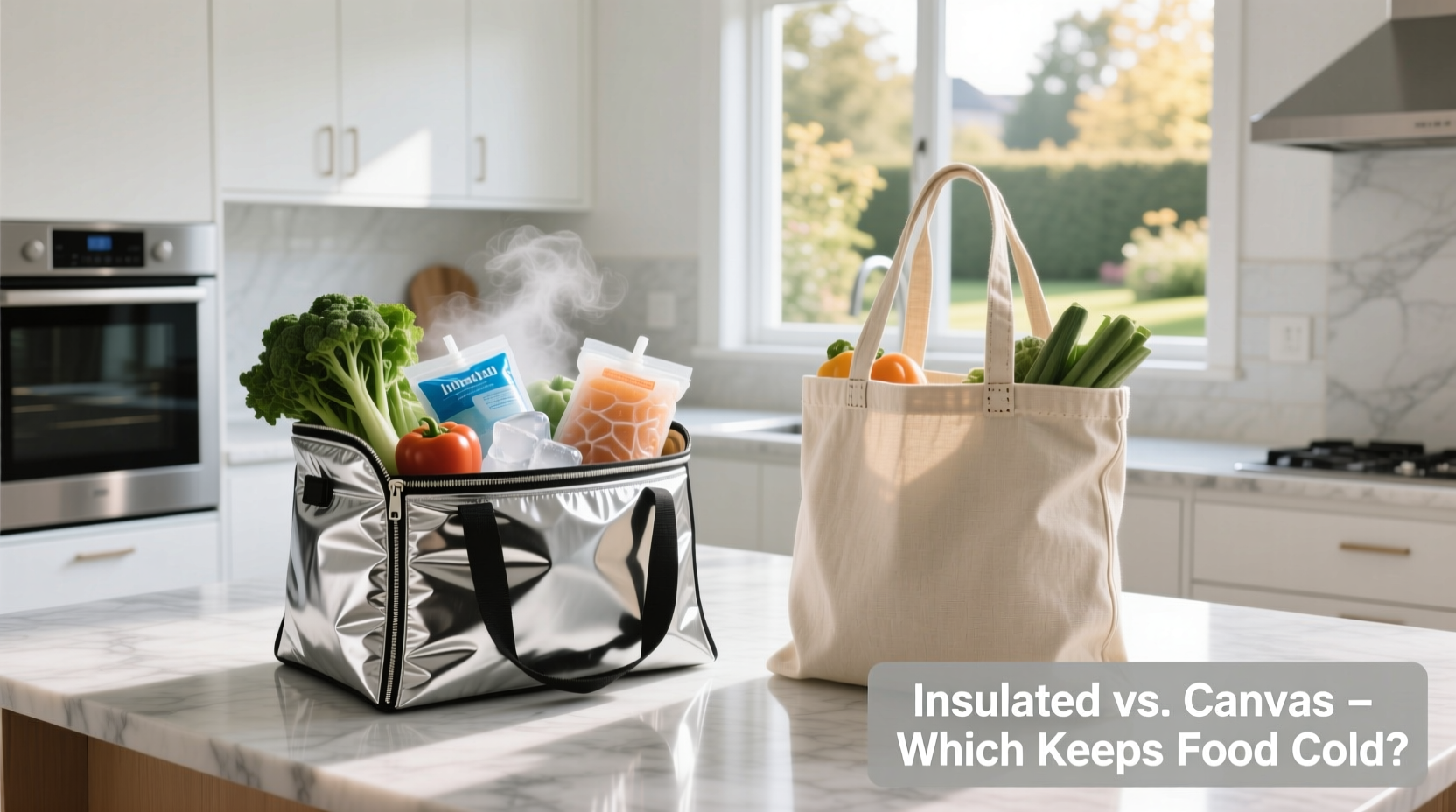
Perishable foods must remain below 40°F (4°C) to prevent bacterial growth. According to the U.S. Department of Agriculture (USDA), perishables left in the \"danger zone\" (between 40°F and 140°F) for more than two hours—or one hour if ambient temperatures exceed 90°F—can become unsafe to consume. Grocery trips often involve time spent walking from car to store, loading items, and returning home, especially in warm climates or during summer months. Without proper thermal protection, even refrigerated items can begin warming within minutes.
This is where the design of your grocery bag becomes more than a matter of durability or style—it's a factor in household health. Regular canvas bags, while sturdy and eco-friendly, offer no inherent resistance to heat transfer. In contrast, insulated bags are specifically constructed to slow temperature changes, helping maintain chilled conditions long after items leave the supermarket’s refrigerated section.
Material Composition: What Sets Insulated Bags Apart?
The core difference lies in construction. Let’s break down the typical layers:
- Regular Canvas Bag: Usually made from heavy cotton or cotton-polyester blends. These are strong, washable, and biodegradable in many cases, but they provide minimal thermal resistance. Heat passes easily through the fabric via conduction and convection.
- Insulated Reusable Bag: Typically features a three-layer system:
- Outer Shell: Durable polyester, nylon, or laminated fabric resistant to water and abrasion.
- Insulating Core: Closed-cell foam, bubble wrap-like material, or thermal batting that traps air and reduces heat flow.
- Inner Liner: Often food-safe, waterproof polyethylene or aluminum foil laminate that reflects radiant heat and prevents leaks.
The trapped air in the insulating layer acts as a buffer against external temperatures. Physics shows that still air is one of the best natural insulators—this principle is used in double-pane windows and winter jackets. Insulated grocery bags apply the same concept on a smaller scale.
“Even a thin layer of closed-cell foam can reduce temperature gain by up to 70% compared to non-insulated fabrics.” — Dr. Alan Reeves, Materials Scientist at the Sustainable Packaging Institute
Performance Comparison: Real-World Testing Insights
To assess real-world effectiveness, consumer labs and independent reviewers have conducted side-by-side tests using identical ice packs and ambient conditions (typically 75–85°F). Here’s a summary of average results over a two-hour period:
| Bag Type | Starting Temp (°F) | After 1 Hour | After 2 Hours | Ice Melted? |
|---|---|---|---|---|
| Regular Canvas | 34°F | 48°F | 62°F | Yes, >75% |
| Basic Insulated | 34°F | 38°F | 46°F | ~40% |
| Premium Insulated (with liner) | 34°F | 36°F | 40°F | ~15% |
The data clearly shows that insulated bags significantly delay warming. Even basic models outperform canvas, while high-end versions with reflective liners and thicker foam cores keep contents near refrigeration temperatures for up to two hours—crucial for errand-heavy days or homes without immediate unloading access.
Mini Case Study: The Weekend Shopper in Phoenix
Sarah, a resident of Phoenix, Arizona, routinely shops for her family of four every Saturday morning. Her trip includes stops at a grocery store, pharmacy, and farmers’ market, spanning nearly three hours in 95°F heat. Using a mix of canvas and insulated bags, she once packed yogurt and raw chicken in separate canvas totes with a single ice pack. By the time she returned home, the ice had fully melted, and a thermometer check revealed internal bag temperatures above 55°F. Concerned about spoilage, she discarded the meat.
The following week, she switched to all-insulated bags, added two gel packs pre-chilled overnight, and grouped cold items together. After another three-hour outing, the internal temperature of the coldest bag read 39°F. No spoilage occurred, and her family consumed all perishables safely. Sarah now uses only insulated bags for any trip involving refrigerated goods.
Practical Advantages Beyond Temperature Control
While thermal performance is the primary differentiator, insulated bags offer additional benefits that enhance usability:
- Leak Resistance: Most have sealed linings that contain spills from milk, juice, or thawing meat—something canvas cannot do without an insert.
- Easier Cleaning: Wipeable interiors mean spills don’t soak into fibers. Canvas bags require full washing after any leak, and odors can linger.
- Longer Lifespan: Reinforced seams and weather-resistant exteriors make insulated bags more durable under frequent use and exposure.
- Versatility: Useful beyond grocery runs—for picnics, beach outings, carrying breast milk, or transporting medications requiring cool storage.
Canvas bags aren’t obsolete—they excel for dry goods, produce, or short trips in mild weather. But when cold retention is critical, their limitations become apparent.
Maximizing Cold Retention: A Step-by-Step Guide
Even the best insulated bag won’t perform optimally without proper use. Follow this timeline-based strategy for maximum efficiency:
- 24 Hours Before Shopping: Freeze one or more reusable gel packs. Avoid water bottles unless they’re designed for freezing; standard ones may burst.
- 1 Hour Before Leaving: Store the empty insulated bag in a cool place or briefly in the fridge.
- At the Store: Pack frozen items first, then chilled goods. Place ice or gel packs on top and bottom of the cold cluster to create a “cold sandwich.” Avoid mixing room-temperature items inside the same bag.
- During Transit: Keep bags out of direct sunlight. If possible, place them in the passenger cabin rather than the trunk, especially in hot weather.
- Upon Arrival: Unload cold items immediately. Wipe the interior dry and leave the bag open to air out before storing.
This sequence ensures that cold energy is preserved as long as possible and that the bag remains hygienic for future use.
Checklist: Choosing the Right Bag for Cold Food Transport
Use this checklist when selecting or evaluating a reusable grocery bag for keeping food cold:
- ✅ Has a visibly thick, padded interior (not just a shiny lining)
- ✅ Features a waterproof, wipeable inner layer (e.g., PE or foil)
- ✅ Includes a secure closure (zipper or Velcro flap) to minimize air exchange
- ✅ Is large enough to fit multiple ice packs without overcrowding
- ✅ Has reinforced handles and base for heavy loads
- ❌ Avoid bags labeled “eco-insulated” with no details on insulating material—some use thin felt with negligible thermal value
Common Misconceptions About Canvas Bags
Despite their popularity, several myths persist about canvas bags’ ability to keep food cold:
- Myth: “Thicker canvas means better insulation.”
Reality: Thickness adds durability, not thermal resistance. Cotton conducts heat faster than most synthetic insulators. - Myth: “Putting an ice pack in a canvas bag is just as good.”
Reality: Ice melts much faster because the bag offers no barrier to ambient heat. Tests show ice lasts half as long in canvas versus insulated bags under identical conditions. - Myth: “Canvas is more sustainable, so it’s always the better choice.”
Reality: Sustainability isn't just about materials—it's about function. If a canvas bag leads to food waste due to spoilage, its environmental cost increases significantly.
A truly sustainable choice considers both material lifecycle and functional efficacy. An insulated bag that prevents food loss may have a higher initial footprint but delivers greater net environmental benefit over time.
Frequently Asked Questions
Can I wash insulated reusable bags?
Most can be spot-cleaned with a damp cloth and mild soap. Full immersion washing risks damaging the insulating layer or adhesive bonds. Always check manufacturer instructions. Canvas bags are generally machine-washable but may shrink or lose shape over time.
Do insulated bags work in winter?
Yes—insulation works both ways. In cold weather, insulated bags help prevent frozen items from getting too cold (avoiding ice crystal damage) and protect fresh produce from frost. They also keep hot coffee thermoses warmer longer, adding year-round versatility.
Are insulated bags recyclable?
Most are not easily recyclable due to multi-material construction (fabric, foam, plastic liner). However, their extended lifespan offsets waste. Look for brands offering take-back programs or made with partially recycled content to improve end-of-life sustainability.
Final Verdict: Which Keeps Food Colder?
The answer is unequivocal: insulated reusable grocery bags outperform regular canvas bags in cold retention by a wide margin. While canvas serves well for dry, non-perishable shopping, it lacks the structural design needed to maintain safe food temperatures. Insulated bags, with their layered barriers, sealed interiors, and compatibility with cooling agents, are purpose-built for the task.
For households that buy perishables weekly, live in warm climates, or run multiple errands, investing in one or more high-quality insulated bags is a small step with meaningful returns: safer food, less waste, and greater peace of mind. Pair them with reusable ice packs and smart packing habits, and you create a system that supports both sustainability and health.
“The right bag doesn’t just carry groceries—it protects your family’s health.” — Nutritionist Lena Torres, MPH, Food Safety Advocate
Take Action Today
Next time you're shopping for reusable bags, prioritize function over fashion when cold items are involved. Replace at least one of your canvas totes with a well-constructed insulated model. Test it on your next trip. Monitor temperatures with a small digital thermometer if possible. You’ll likely notice the difference—not just in how cold your milk feels, but in how confident you feel unpacking it.




 浙公网安备
33010002000092号
浙公网安备
33010002000092号 浙B2-20120091-4
Comments
No comments yet. Why don't you start the discussion?