
Walking into a grocery store with a canvas tote in hand feels like a small act of environmental defiance. You're refusing the plastic bag, avoiding waste, doing your part. But is that reusable bag actually helping the planet—or just making you feel better? The truth is more complicated than a simple swap from plastic to cloth. When we examine the full lifecycle of both reusable and single-use bags, the answer isn’t binary. It depends on usage, materials, manufacturing, and disposal. Let’s cut through the green noise and look at what the data—and experts—really say.
The Hidden Cost of Going “Green”
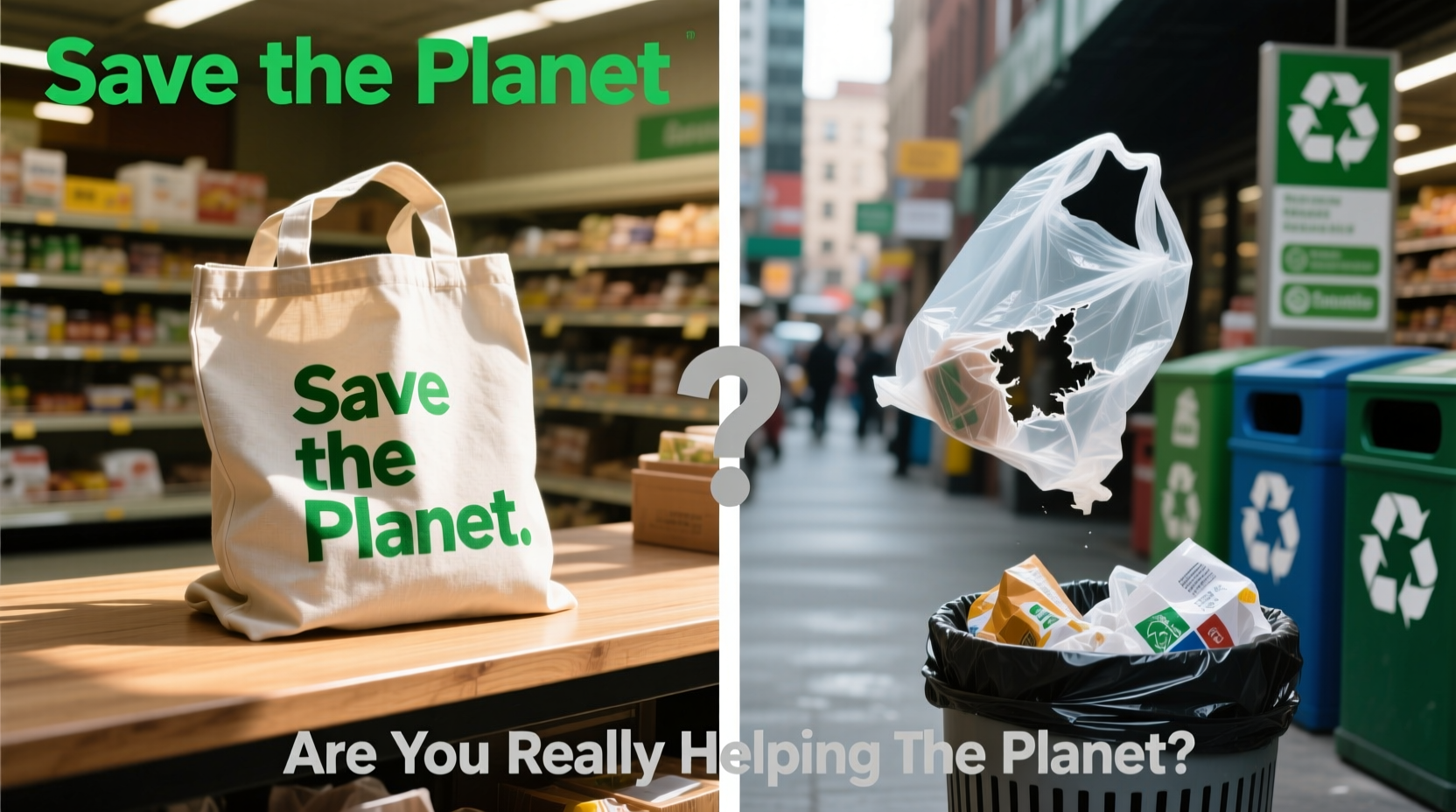
Reusable bags are often marketed as the eco-friendly alternative to single-use plastic. But sustainability isn’t just about reusability—it’s about total environmental cost. A 2018 Danish Environmental Protection Agency study analyzed the environmental impact of various bag types across 14 categories, including climate change, resource depletion, and marine pollution. Shockingly, it found that a cotton tote must be used **at least 7,100 times** to have a lower global warming potential than a single-use plastic bag used once and discarded. Even a conventional polypropylene reusable bag needs to be reused **37 times** to break even.
This doesn’t mean reusable bags are a scam. It means their benefit hinges entirely on how we use them. If you own ten reusable bags but only use each two or three times before losing or discarding them, your carbon footprint may be worse than someone using plastic bags responsibly.
Comparing Bag Types: A Lifecycle Breakdown
To understand the real impact, we need to consider four key stages: raw material extraction, production, transportation, and end-of-life. Here's how common bag types stack up:
| Bag Type | Material | Reuses Needed to Offset Plastic | End-of-Life Impact | Primary Environmental Concerns |
|---|---|---|---|---|
| Single-Use Plastic | LDPE (Low-Density Polyethylene) | 1 (baseline) | High – slow degradation, microplastics | Ocean pollution, wildlife harm |
| Polypropylene Reusable | Polypropylene non-woven | 37 | Medium – recyclable but rarely recycled | Fossil fuel use, landfill persistence |
| Cotton Tote (Conventional) | Conventional Cotton | 7,100 | Low – biodegradable but resource-heavy | Water use, pesticides, land use |
| Organic Cotton Tote | Organic Cotton | 2,500 | Low – compostable if uncontaminated | Still high water and land use |
| Recycled PET Bag | Recycled Plastic Bottles | 26 | Medium – can shed microfibers | Microplastic pollution during washing |
The takeaway? Not all reusable bags are created equal. While cotton totes carry a massive environmental debt upfront due to farming intensity, synthetic reusable bags require fewer resources to produce but contribute to microplastic pollution over time.
Real-World Behavior: Why Intentions Don’t Always Translate
In theory, switching to reusable bags should reduce waste. In practice, human behavior complicates the equation. A 2020 study published in *Resources, Conservation & Recycling* found that after plastic bag bans were implemented in several U.S. cities, consumers didn’t just switch to reusables—they began using more trash bags and paper bags instead. Since trash bags are thicker and made from more plastic, the net plastic consumption sometimes increased.
“Policy changes without behavioral education can backfire. People adapt in ways we don’t anticipate.” — Dr. Rebecca Sandlin, Environmental Economist, University of Oregon
A mini case study from San Francisco illustrates this. After the city banned single-use plastic bags in 2007, researchers observed a 40% drop in plastic bag litter. However, within five years, per-capita paper bag usage tripled, and household plastic garbage bag sales rose by 12%. While overall plastic waste didn’t increase dramatically, the shift highlighted a gap between policy goals and consumer habits.
How to Actually Make a Difference: A Practical Guide
If you want your bag choice to genuinely help the planet, focus on consistency and longevity—not ownership. Here’s how:
- Choose wisely: Opt for durable, low-impact materials like recycled PET or non-woven polypropylene. Avoid virgin cotton unless it’s organic and certified.
- Use relentlessly: Aim to use each bag hundreds of times. Keep one in your car, by the door, and in your work bag so you never forget it.
- Wash responsibly: Machine washing reusable bags contributes to microfiber shedding and energy use. Hand wash when possible, or use a microfiber-catching laundry bag.
- Retire thoughtfully: When a bag wears out, repurpose it as a cleaning rag or donate it for reuse. Only discard when completely unusable.
- Don’t over-collect: Owning five reusable bags you rarely use creates more waste than relying on one plastic bag per trip.
Checklist: Are You Using Reusable Bags Sustainably?
- ✅ I use my reusable bags at least once a week
- ✅ I own no more than 3–4 reusable bags
- ✅ I clean my bags only when necessary
- ✅ I avoid single-use plastic and paper alternatives
- ✅ I repair or repurpose bags instead of throwing them away
Expert Insight: What Sustainability Leaders Say
The conversation around bags is evolving beyond plastic vs. reusable. Experts now emphasize systemic solutions over individual swaps.
“The biggest mistake is thinking that swapping bags solves the problem. Real change comes from reducing consumption overall, not just repackaging it.” — Leila De Bruyne, Circular Economy Strategist, Ellen MacArthur Foundation
De Bruyne argues that true sustainability requires designing products for multiple lifecycles, improving recycling infrastructure, and shifting cultural norms around convenience. “We need bags that are easy to return, clean, and redistribute—like a library system,” she says.
FAQ: Common Questions About Reusable vs Single-Use Bags
Do reusable bags reduce plastic pollution?
Yes—but only if used enough times to offset their production impact. A reusable bag used 50+ times generally has a lower environmental footprint than single-use plastic, especially when considering ocean pollution and litter.
Are paper bags a better alternative?
No. Paper bags require more energy and water to produce, generate higher greenhouse gas emissions, and are rarely recycled after one use. They’re heavier and bulkier, increasing transportation emissions.
Can I recycle my old reusable bags?
Most curbside programs don’t accept reusable bags. Check with local retailers—some offer take-back programs. Otherwise, repurpose them or dispose of them in general waste if damaged.
Conclusion: Sustainability Is a Habit, Not a Purchase
Bringing a reusable bag to the store isn’t a one-time moral victory. It’s the start of a long-term commitment. The planet doesn’t benefit from the bag you bought—it benefits from the bag you use, again and again, for years. True environmental impact comes not from owning the “right” bag, but from changing your behavior. Choose durability over novelty, consistency over convenience, and responsibility over symbolism. If every person used one reusable bag 300 times, we’d see real change. But if millions buy trendy totes they abandon after a month, we’re just shifting the waste stream.




 浙公网安备
33010002000092号
浙公网安备
33010002000092号 浙B2-20120091-4
Comments
No comments yet. Why don't you start the discussion?