
In an era where sustainability and personal health are increasingly prioritized, the humble water bottle has evolved from a simple hydration tool into a technological and environmental statement. Today’s consumers face a choice: stick with a basic reusable bottle and refill from the tap or opt for a filtered version that purifies water on the go. While both options eliminate single-use plastic, the real question is whether the added complexity and cost of a filtration system justify the benefits. The answer depends on your lifestyle, water quality, and long-term goals.
Understanding the Core Differences
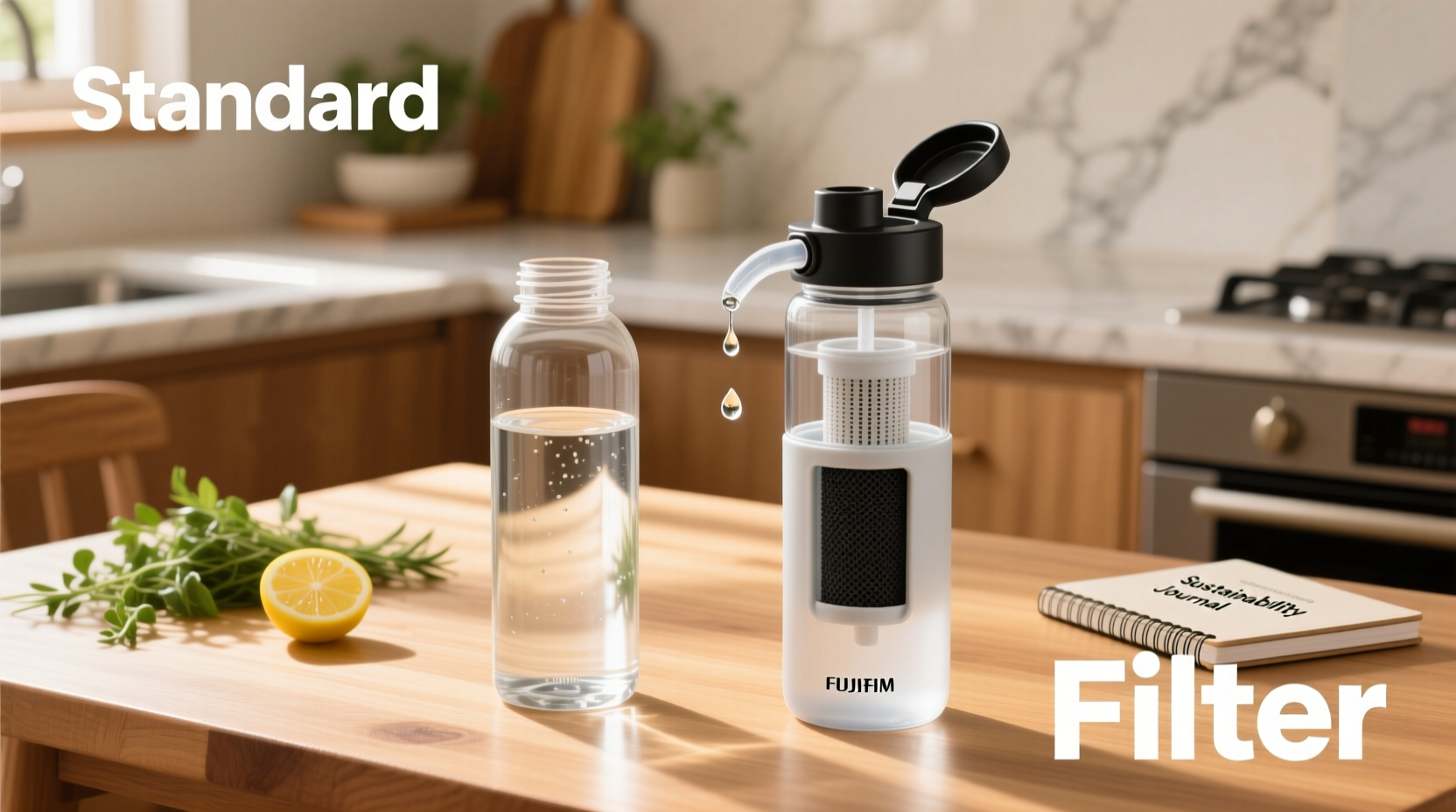
At first glance, a reusable water bottle with a filter and a standard reusable bottle may look nearly identical. Both are designed for durability, portability, and repeated use. However, their function diverges significantly when it comes to water quality.
A standard reusable bottle—whether made of stainless steel, glass, or BPA-free plastic—serves as a vessel. It holds water but does not alter its composition. If your tap water contains chlorine, heavy metals, microplastics, or other contaminants, those will remain in the bottle unless pre-filtered at home.
In contrast, filtered reusable bottles integrate purification technology directly into the design. Most use activated carbon, hollow fiber membranes, or ion exchange resins to remove impurities. Some advanced models even incorporate UV-C light or iodine cartridges to neutralize bacteria and viruses, making them ideal for travel or outdoor adventures.
The key difference lies in autonomy. A filtered bottle gives you confidence in water quality regardless of the source—be it a public fountain, campground spigot, or questionable hotel tap. A standard bottle assumes you already trust your water supply.
Health and Water Quality Considerations
Tap water in many developed countries meets regulatory standards, but compliance doesn’t guarantee purity. Older infrastructure can introduce lead, especially in homes with pre-1986 plumbing. Chlorine, used for disinfection, often leaves an unpleasant taste and odor. Emerging contaminants like PFAS (forever chemicals), pharmaceutical residues, and microplastics are not consistently monitored or removed by municipal systems.
Filtered bottles address these concerns through mechanical and chemical filtration. For example:
- Activated carbon reduces chlorine, volatile organic compounds (VOCs), and some pesticides.
- Hollow fiber membranes block bacteria, protozoa, and sediment down to 0.1–0.2 microns.
- Ion exchange filters can reduce heavy metals like lead and mercury.
However, not all filters are created equal. Performance varies widely between brands and models. A study by the Environmental Working Group found that certain portable filters reduced lead by over 99%, while others showed minimal impact. Always check third-party certifications such as NSF/ANSI standards 42 (aesthetic effects), 53 (health effects), or 58 (reverse osmosis).
“Portable filtration can be a game-changer for people exposed to aging infrastructure or traveling abroad. But users must understand the limits of their device.” — Dr. Lena Torres, Environmental Health Scientist
Cost Analysis Over Time
Initial price is a major differentiator. A high-quality standard reusable bottle typically costs $20–$40. Filtered models range from $40 to over $100, with replacement filters adding recurring expenses—usually $15–$30 every 40–100 gallons, depending on usage and model.
To evaluate long-term value, consider this comparison:
| Category | Standard Bottle | Filtered Bottle |
|---|---|---|
| Upfront Cost | $25 | $70 |
| Filter Replacement | N/A | $25 per 6 months (avg.) |
| Annual Cost (Year 1) | $25 | $95 |
| Annual Cost (Years 2–5) | $0 | $50 |
| Total 5-Year Cost | $25 | $295 |
| Purification Capability | None | Removes chlorine, lead, microbes* |
*Effectiveness varies by model; always verify claims.
On paper, the standard bottle wins on cost efficiency. But if your alternative is buying bottled water—averaging $1.50 per liter—the math shifts dramatically. Drinking 2 liters daily from store-bought bottles costs about $1,100 annually. Even a filtered reusable bottle pays for itself within months in such cases.
Environmental Impact and Sustainability
Both reusable bottle types drastically reduce plastic waste. The average American uses 156 plastic water bottles per year, with only 30% being recycled. The rest end up in landfills or oceans, where they take up to 450 years to decompose.
Switching to any reusable option cuts this footprint immediately. However, filtered bottles offer an additional layer of environmental benefit: they reduce reliance on bottled water in regions where tap water is safe but unpalatable due to chlorine or minerals. By improving taste, they encourage more people to ditch plastic entirely.
Still, filtered bottles aren’t without ecological trade-offs. Filters themselves become waste—often non-recyclable due to mixed materials. Some brands now offer recycling programs, but participation remains low. Additionally, manufacturing complex filtration systems requires more energy and resources than producing a simple stainless steel bottle.
The most sustainable approach combines a durable bottle with a home filtration system (like an under-sink or pitcher filter), eliminating the need for disposable filters altogether. But for those without access to such setups—or who need mobility—portable filtration remains a strong compromise.
Real-World Use Case: Backpacking in the Pacific Northwest
Sarah, an avid hiker from Portland, used to carry a standard 32-ounce stainless steel bottle on her weekend trips. After getting sick from untreated stream water during a solo trek in the Cascade Mountains, she invested in a filtered bottle with a hollow fiber membrane. “I thought I was being cautious by avoiding stagnant pools,” she said. “But I didn’t realize Giardia could be in clear, flowing streams.”
Since switching, Sarah refills from natural sources confidently. Her filtered bottle removes 99.9999% of bacteria and protozoa, meeting EPA standards for safe drinking water. She estimates she’s saved over $200 in bottled water purchases and avoided at least 150 plastic bottles in two years. “The upfront cost felt steep,” she admits, “but now I can’t imagine hiking without it.”
Her experience highlights a critical point: context matters. For urban commuters with reliable tap water, a filtered bottle may be overkill. But for outdoor enthusiasts, frequent travelers, or residents in areas with compromised water infrastructure, it’s a worthwhile investment.
Choosing the Right Option: A Step-by-Step Guide
Selecting between a filtered and standard reusable bottle shouldn’t be arbitrary. Follow this decision-making process:
- Assess your tap water quality. Check your local Consumer Confidence Report (available online from your water provider). Look for elevated levels of chlorine, lead, or nitrates.
- Evaluate your lifestyle. Do you hike, camp, or travel internationally? Are you often on the go without access to clean water sources?
- Consider taste preferences. If you dislike the smell or aftertaste of tap water, a carbon filter may improve palatability enough to increase your water intake.
- Calculate long-term costs. Compare the total ownership cost of a filtered bottle against your current spending on bottled water.
- Review maintenance requirements. Can you commit to replacing filters on schedule? Neglecting replacements renders the system ineffective and can even introduce bacterial growth.
- Check certification standards. Prioritize models tested and certified by NSF International or equivalent bodies.
Common Myths About Filtered Bottles Debunked
- Myth: All filtered bottles remove fluoride. Most do not. Fluoride removal requires specialized media like activated alumina, which is rare in portable designs.
- Myth: They make water perfectly pure. No portable filter removes all contaminants. Dissolved salts, certain chemicals, and viruses (unless specified) often pass through.
- Myth: You never need to clean them. Filters degrade and housings harbor bacteria if not cleaned regularly. Follow manufacturer guidelines closely.
Frequently Asked Questions
Can I use a filtered bottle with saltwater or seawater?
No. Standard filtered bottles are not designed for desalination. Attempting to filter seawater will ruin the filter and may still leave harmful concentrations of salt. Only reverse osmosis or specialized desalination units can handle saltwater.
How often should I replace the filter?
Most manufacturers recommend replacement every 40 to 100 gallons, or every 2–3 months with daily use. Some models include indicators or timers. Exceeding the lifespan reduces effectiveness and may introduce trapped contaminants back into the water.
Do filtered bottles slow down drinking?
Yes, slightly. Filtration requires you to squeeze, suck, or pump water through the system. Flow rates vary—some require multiple sips to pull water through the membrane. This is normal and ensures proper contact time for purification.
Final Verdict: Are They Worth It?
The value of a filtered reusable water bottle isn’t universal—it hinges on individual needs. For city dwellers with high-quality tap water, a standard bottle paired with a home filter may be more cost-effective and environmentally sound. But for those facing inconsistent water safety, traveling frequently, or spending time outdoors, a filtered bottle delivers tangible benefits in health, convenience, and peace of mind.
They are not a one-size-fits-all solution, but they fill a critical niche. When chosen wisely—based on verified performance, realistic expectations, and proper maintenance—they can be a smart, sustainable upgrade.
“The right water bottle isn’t just about staying hydrated—it’s about aligning your choices with your environment, health, and values.” — Mark Delaney, Sustainable Living Advocate




 浙公网安备
33010002000092号
浙公网安备
33010002000092号 浙B2-20120091-4
Comments
No comments yet. Why don't you start the discussion?