
In an age where digital theft is evolving faster than ever, concerns about contactless credit card security have surged. With devices like the Flipper Zero making headlines for their ability to read wireless signals, many are asking: Is my RFID-enabled credit card truly vulnerable? And do RFID-blocking wallets offer real protection—or just peace of mind? The answer isn’t binary. It lies in understanding the technology, the actual risks, and how tools like RFID wallets stack up against modern hacking devices.
How RFID Credit Cards Work—and Where They’re Vulnerable
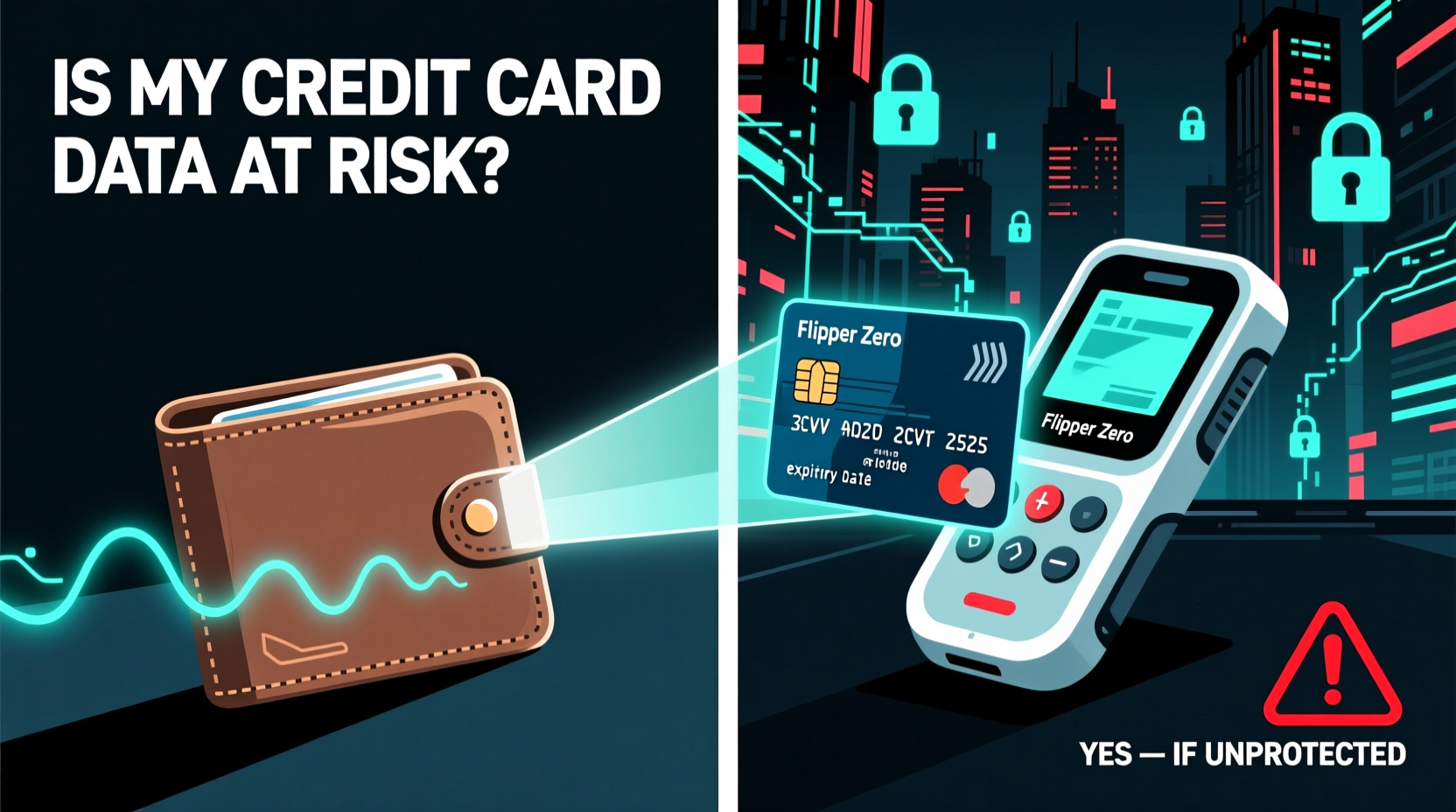
RFID (Radio-Frequency Identification) allows contactless payments by transmitting card information wirelessly when near a compatible reader. This convenience comes with a trade-off: the signal can be intercepted under certain conditions. Most contactless cards use NFC (Near Field Communication), a subset of RFID operating at 13.56 MHz, which requires proximity—typically within 4 inches—for communication.
Theoretically, a malicious actor with an RFID reader could skim card details without physical contact. However, several safeguards limit real-world exploitation:
- Limited data exposure: Only basic info like card number and expiration date are transmitted—not CVV, PIN, or full account details.
- Daily transaction limits: Many contactless systems cap small purchases without authentication.
- Encryption and tokenization: Modern cards use dynamic cryptograms that change with each transaction, rendering stolen static data useless.
Despite these protections, vulnerabilities remain—especially as hardware becomes more accessible.
Flipper Zero: Hacking Tool or Overhyped Gadget?
The Flipper Zero is a multifunctional device marketed as a \"portable toolkit for pentesters and researchers.\" Among its features is an integrated NFC/RFID reader capable of reading, cloning, and emulating low-frequency and high-frequency tags—including those used in access cards and some payment systems.
It’s important to clarify: while the Flipper Zero *can* read RFID/NFC signals, successfully cloning a modern credit card for fraudulent use is far more complex than media portrayals suggest.
“Devices like Flipper Zero can read unencrypted RFID tags easily, but financial-grade NFC chips are designed with layered defenses. Cloning a working credit card isn’t feasible with off-the-shelf tools.” — Dr. Lena Torres, Cybersecurity Researcher at MITRE Labs
That said, older RFID systems (like key fobs or transit cards) are significantly easier to clone. The concern arises when users assume all RFID-based tech shares the same vulnerability level as outdated systems.
RFID Wallets: Do They Actually Protect You?
RFID-blocking wallets incorporate metallic shielding materials—such as aluminum or copper mesh—that create a Faraday cage around your cards, preventing external readers from accessing their signals.
Independent tests show these wallets are effective at blocking passive RFID skimming attempts. However, they only protect against unauthorized reads when cards are stored inside and fully enclosed. A wallet with poor shielding design or worn lining may offer minimal protection.
Critics argue that because modern credit cards already employ encryption and transaction limits, the added layer of an RFID wallet offers marginal benefit for most users. Still, in high-risk environments—such as crowded tourist destinations or public transport hubs—this extra barrier may deter opportunistic scanning.
RFID Wallet vs Flipper Zero: Capability Comparison
| Feature | RFID Wallet | Flipper Zero |
|---|---|---|
| Purpose | Prevent unauthorized signal access | Read, analyze, and emulate RFID/NFC tags |
| Range Blocked/Detected | Up to 4 inches (passive blocking) | Up to 2–3 inches (active reading) |
| Can Read Encrypted Cards? | No (not applicable) | Limited success; cannot extract usable payment data |
| Effective Against Skimming? | Yes, for passive attacks | N/A |
| User Skill Required | None | Intermediate to advanced technical knowledge |
Real-World Risk Assessment: How Likely Is RFID Theft?
To understand actual risk, consider this realistic scenario:
Mini Case Study: The Crowded Subway Experiment
In 2022, a team of security researchers in Berlin conducted an experiment on rush-hour subway trains. Using a concealed Flipper Zero, they attempted to read nearby passengers’ contactless cards. Over five days, they successfully detected 87 unique card signals—but none could be used for transactions. All captured data was either incomplete or encrypted with dynamic tokens.
No fraudulent charges were linked to the test. While proof-of-concept skimming occurred, practical exploitation failed due to built-in banking protections.
This aligns with broader industry findings: there are no verified cases of successful large-scale credit card fraud via casual RFID skimming using consumer devices like Flipper Zero.
Who’s Most at Risk?
- Users of older RFID cards: Some legacy transit or loyalty cards lack encryption and can be cloned.
- Frequent travelers in high-density areas: Tourists in cities like Paris or Tokyo face higher exposure to opportunistic scans.
- People carrying multiple contactless cards: More signals increase the chance of detection, even if not exploitable.
Protecting Yourself: A Practical Action Plan
While mass RFID theft remains rare, proactive habits reduce your attack surface. Follow this checklist to enhance personal security:
🛡️ RFID Security Checklist
- ✅ Use an RFID-blocking wallet or sleeve from a reputable brand
- ✅ Regularly monitor bank statements for unauthorized transactions
- ✅ Enable transaction alerts through your bank’s mobile app
- ✅ Keep cards separated to avoid signal overlap and accidental activation
- ✅ Replace expired or outdated RFID cards with newer, tokenized versions
- ✅ Avoid placing cards near electronics that may interfere with or expose signals
Step-by-Step: Securing Your Contactless Cards
- Inventory your cards: Identify which ones are contactless (look for the wave symbol).
- Test your current wallet: Use an RFID reader app or device to see if signals leak through.
- Upgrade protection: Purchase a tested RFID-blocking wallet or individual sleeves.
- Enable monitoring: Activate real-time alerts with your financial institution.
- Educate yourself: Stay informed about new threats and banking security updates.
Frequently Asked Questions
Can someone steal my credit card info just by walking past me?
Technically possible, but highly unlikely to result in fraud. While a device like Flipper Zero might detect your card’s presence, it cannot capture enough secure data to make unauthorized purchases. Banks use dynamic encryption that invalidates old signals instantly.
Are all RFID wallets equally effective?
No. Effectiveness varies by material, construction, and wear. Look for wallets independently tested to block 13.56 MHz frequencies. Avoid cheap models with thin linings or gaps that break the Faraday seal.
Should I stop using contactless payments?
No. Contactless payments are generally safer than magnetic stripe transactions. They include stronger encryption and immediate fraud detection systems. The convenience outweighs the minimal risk for most users.
Final Thoughts: Balance Awareness With Practicality
The debate between RFID wallets and devices like Flipper Zero often exaggerates the danger. Yes, the technology exists to read wireless signals. But turning that into actionable fraud requires overcoming multiple layers of financial security—something well beyond the capability of most would-be thieves.
RFID-blocking wallets provide a sensible precaution, especially in high-risk settings. They’re not a magic shield, but they do reduce passive exposure. Meanwhile, tools like Flipper Zero serve legitimate research purposes and highlight the importance of evolving security standards—not a widespread threat to everyday consumers.
Your best defense isn’t fear—it’s awareness. Monitor your accounts, use trusted protection methods, and stay informed. In cybersecurity, vigilance beats paranoia every time.




 浙公网安备
33010002000092号
浙公网安备
33010002000092号 浙B2-20120091-4
Comments
No comments yet. Why don't you start the discussion?