
The glow of holiday lights has long been a cornerstone of seasonal cheer. From classic red-and-green strands draping rooftops to icy white icicles framing windows, fixed-color light strings have defined festive décor for generations. But in recent years, RGB smart lights—programmable, app-controlled LED systems—have surged in popularity, promising more than just illumination. They promise transformation. The real question isn’t whether these new technologies work, but whether they genuinely enhance the emotional experience of the holidays. Can an app really deepen nostalgia, spark joy, or make a home feel cozier during the coldest months?
This article examines the tangible and psychological differences between traditional fixed-color strings and modern RGB smart lighting. It explores functionality, ambiance potential, ease of use, cost, and emotional impact—especially through the lens of mobile applications that now serve as remote controls, choreographers, and mood designers.
Understanding the Core Differences
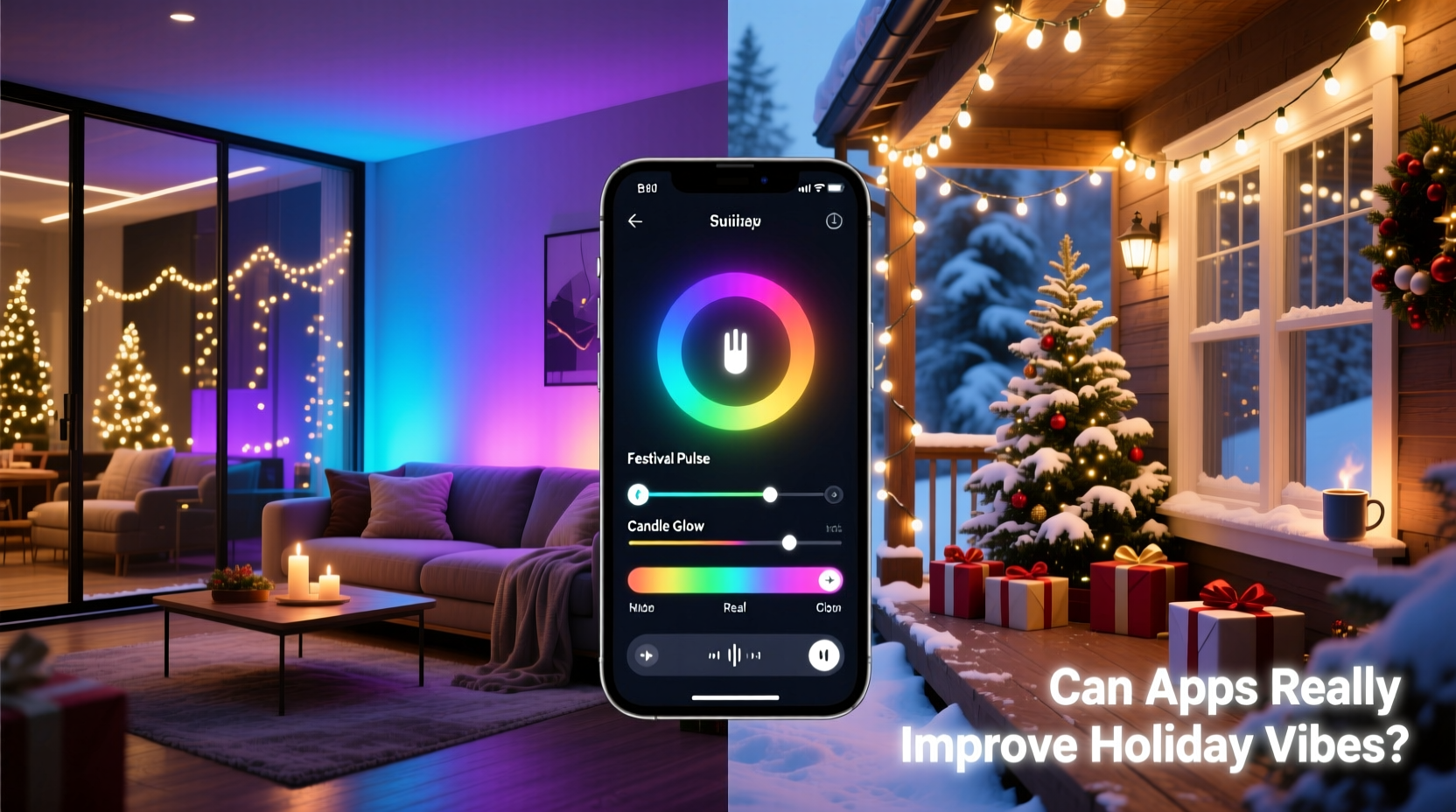
At first glance, both types of lights serve the same purpose: to decorate. But their underlying capabilities diverge sharply. Fixed-color strings are exactly what they sound like—pre-set combinations of colored bulbs or LEDs that emit one consistent hue or pattern (such as steady warm white or twinkling multicolor). Once installed, their behavior doesn't change unless physically replaced or rewired.
In contrast, RGB smart lights use red, green, and blue diodes in each bulb, allowing millions of color combinations through digital mixing. These lights connect via Wi-Fi, Bluetooth, or proprietary hubs to smartphone apps, enabling users to adjust brightness, color, speed, patterns, and even synchronize them to music—all from a phone screen.
The shift isn’t merely technological—it’s experiential. Where fixed-color strings offer familiarity, smart lights introduce flexibility. A single strand can go from “North Pole winter” to “New Year’s Eve party” in seconds. For some, this is liberating. For others, it risks diluting tradition.
Can Apps Actually Improve Holiday Vibes?
The answer depends on how you define “vibes.” If warmth, consistency, and simplicity matter most, then a softly glowing string of amber lights may outperform any animated rainbow sequence. But if engagement, interactivity, and evolving atmospheres are valued, then yes—apps can significantly elevate the holiday experience.
Modern lighting apps do more than toggle colors. Many include:
- Preset scenes – “Cozy Fireplace,” “Frosty Night,” “Celebration Sparkle”
- Scheduling – Lights turn on at sunset, off at bedtime
- Music synchronization – Pulses and fades match ambient sound or holiday playlists
- Voice integration – Works with Alexa, Google Assistant, Siri
- Grouping and zoning – Control indoor vs. outdoor sections independently
- Sharing modes – Send custom light shows to friends using the same brand
These features allow homeowners to tailor lighting not just to events, but to moods. A quiet family dinner might call for dimmed gold tones, while a weekend gathering could feature playful transitions and rhythm-based animations. The ability to shift tone dynamically adds a layer of intentionality that fixed strings simply cannot match.
“Lighting isn’t just visual—it’s emotional. When people can shape light to reflect their feelings, they become participants in the celebration, not just observers.” — Dr. Lila Tran, Environmental Psychologist, University of Colorado Boulder
Comparative Breakdown: Smart vs. Fixed
| Feature | RGB Smart Lights | Fixed-Color Strings |
|---|---|---|
| Color Options | Millions (via RGB blending) | 1–3 preset colors |
| App Control | Yes (iOS/Android) | No |
| Energy Efficiency | High (LED + adaptive brightness) | Moderate (LED), Low (incandescent) |
| Installation Complexity | Moderate (requires network setup) | Low (plug-and-play) |
| Lifespan | 25,000–30,000 hours | 1,000–15,000 hours (varies by type) |
| Cost (per 50-light strand) | $25–$50 | $8–$20 |
| Customization Depth | High (scenes, schedules, sync) | None |
| Ideal For | Interactive displays, multi-event homes, tech-savvy users | Traditionalists, budget decorators, low-maintenance setups |
While smart lights lead in versatility, fixed-color strings retain advantages in reliability and accessibility. They don’t depend on apps, internet stability, or firmware updates. For elderly relatives or those who value predictability, a simple plug-in string remains appealing.
A Real-World Example: The Miller Family Display
The Millers live in a suburban neighborhood known for its elaborate Christmas lights. For ten years, they used static red-and-white mini lights across their roofline and trees. While admired, the display never changed.
Last year, they invested in addressable RGB strips and app-enabled net lights. Using the manufacturer’s app, they programmed different themes:
- Weeknights: Soft white, 30% brightness, on from 5–9 PM
- Friday nights: Animated snowfall effect synced to classical carols
- New Year’s Eve: Countdown mode with color bursts at midnight
- Epiphany (Jan 6): Gold, purple, and white rotation honoring Three Kings Day
Neighbors reported stopping by more often. Children waved at the lights. Local news featured their home in a segment on “smart holiday trends.” But more importantly, the Millers said they felt more connected to the season. “We weren’t just turning on lights,” said Sarah Miller. “We were creating moments.”
Their experience illustrates how app-driven lighting can transform passive decoration into active storytelling.
Practical Tips for Maximizing App-Enhanced Ambiance
Not all smart lighting experiences are equal. Poor setup or overstimulation can backfire, making a display feel chaotic rather than joyful. Consider these best practices:
- Start with a theme – Choose a central mood (e.g., nostalgic, whimsical, elegant) and let it guide your color palette and animation choices.
- Use zones strategically – Assign different behaviors to different areas (e.g., calm colors indoors, lively sequences outdoors).
- Sync with sound sparingly – Music-reactive modes are fun but tiring over long periods. Reserve them for parties or special viewings.
- Schedule for convenience – Automate on/off times to avoid forgetting or wasting energy.
- Test in low-light conditions – Colors appear differently at dusk vs. full dark. Fine-tune after sunset.
- Update firmware regularly – Ensures compatibility, security, and access to new features.
Step-by-Step Guide to Transitioning to Smart Holiday Lighting
If you’re ready to upgrade, follow this timeline for a seamless switch:
- Week 1: Audit Your Current Setup
Inventory existing lights, note lengths, locations, and power sources. Identify which areas you’d like to enhance. - Week 2: Research & Purchase
Choose a reputable smart lighting brand (e.g., Philips Hue, Govee, Twinkly) with strong app reviews and ecosystem support. - Week 3: Install & Connect
Set up lights according to instructions. Connect to Wi-Fi or hub. Confirm each segment responds in the app. - Week 4: Design Scenes
Create 3–5 presets: a default nightly look, a festive weekend mode, a holiday-specific animation, and a subtle daytime option. - Week 5: Schedule & Share
Program timers. Invite family members to control lights via shared access (if supported). Test voice commands. - Holiday Season: Observe & Adjust
Monitor feedback, energy use, and durability. Take notes for next year.
Frequently Asked Questions
Do smart lights use more electricity than fixed-color strings?
No—most RGB smart lights are LED-based and actually consume less energy than incandescent fixed strings. While they offer brighter and more varied output, their efficiency per lumen is higher. Plus, scheduling reduces unnecessary runtime.
Can I mix smart and fixed-color lights in the same display?
Yes, but plan carefully. Mixing types can create visual inconsistency if colors don’t align. Use smart lights in focal areas (trees, entryways) and fixed strings for background accents to maintain harmony.
Are smart light apps reliable during peak holiday season?
Most major brands have stable apps, but occasional server lag can occur during high-traffic periods (e.g., Black Friday, Christmas Eve). For critical displays, set local schedules as a backup—even if internet access drops.
Final Checklist Before You Switch
- ✅ Confirm your Wi-Fi signal reaches outdoor installation points
- ✅ Check app compatibility with your smartphone OS
- ✅ Ensure lights are rated for outdoor use (if needed)
- ✅ Verify warranty and return policy
- ✅ Plan power outlet access and extension cord safety
- ✅ Decide whether voice assistant integration matters to you
- ✅ Test one strand before buying in bulk
Conclusion: Light as Experience, Not Just Decoration
The debate between RGB smart lights and fixed-color strings isn’t about superiority—it’s about intent. Fixed strings deliver charm through consistency, evoking memories of childhood Christmases and familiar traditions. Smart lights, powered by intuitive apps, redefine what’s possible: lighting becomes dynamic, responsive, and deeply personal.
Apps don’t just control lights—they amplify emotion. A slow fade from blue to gold can mimic sunrise on Christmas morning. A gentle pulse can echo the beat of a favorite carol. These subtle cues engage the senses in ways static light cannot. When used thoughtfully, smart lighting doesn’t replace tradition; it extends it into new dimensions.
Whether you prefer the steadfast glow of classic bulbs or the evolving canvas of smart LEDs, the goal remains the same: to create warmth, wonder, and connection during the darkest time of year. Technology, when harnessed with care, can help us do that more intentionally than ever before.




 浙公网安备
33010002000092号
浙公网安备
33010002000092号 浙B2-20120091-4
Comments
No comments yet. Why don't you start the discussion?