
Rice water has surged in popularity as a natural remedy for promoting stronger, longer, and healthier hair. Rooted in centuries-old beauty traditions—particularly in East Asia—fermented rice water rinses were historically used by women in Japan’s Heian period to maintain lustrous, waist-length tresses. Today, anecdotal evidence floods social media with claims of dramatic hair transformation after just weeks of use. But does science back these claims, or is it merely another viral trend with minimal real-world impact?
This article separates fact from fiction, exploring the biochemical properties of rice water, its potential benefits for hair health, and how to incorporate it into your regimen effectively and safely. Whether you’re battling breakage, slow growth, or dullness, understanding the truth behind rice water can help you make informed decisions about your hair care journey.
The Science Behind Rice Water and Hair Health
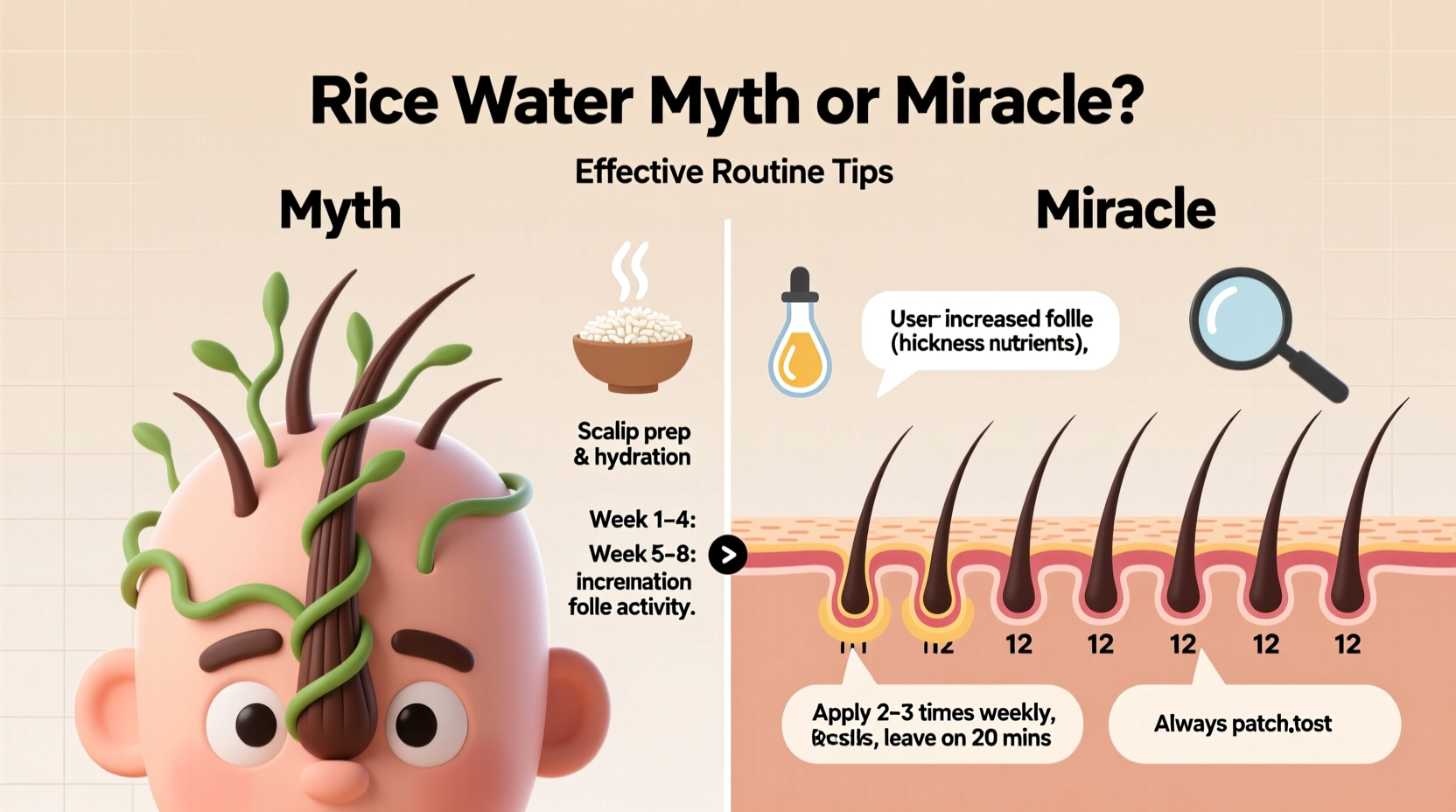
Rice water is the starchy liquid left over after soaking or boiling rice. It contains several compounds believed to support hair integrity, including inositol, amino acids, vitamins B and E, and antioxidants. In particular, inositol—a carbohydrate found in rice—has been studied for its ability to repair damaged cells and strengthen keratin structures, which are essential components of hair strands.
A 2010 study published in the *International Journal of Cosmetic Science* analyzed the effects of rice starch on hair friction and tensile strength. Researchers found that coating hair with rice starch reduced surface friction by up to 20%, meaning less mechanical damage during brushing or styling. While this doesn’t directly equate to faster growth, it suggests improved resilience and reduced breakage—which can create the appearance of longer, fuller hair over time.
Additionally, fermented rice water may offer enhanced benefits. Fermentation increases the bioavailability of nutrients and produces organic acids that can gently exfoliate the scalp, potentially improving follicle health. However, no large-scale clinical trials have conclusively proven that rice water stimulates new hair growth at the follicular level.
“While rice water isn’t a miracle cure for baldness or hormonal hair loss, its protein-rich composition can improve hair elasticity and reduce split ends—key factors in retaining length.” — Dr. Lena Park, Trichologist and Hair Research Specialist
Effective Routine: How to Use Rice Water Safely and Strategically
To get the most out of rice water without causing protein overload or scalp irritation, follow a structured approach. The key lies not only in preparation but also in frequency and application method.
Step-by-Step Guide to Preparing and Applying Rice Water
- Choose Your Rice: Use uncooked white, brown, or jasmine rice. Organic varieties minimize exposure to pesticides.
- Soak or Boil:
- Soaking Method: Rinse ½ cup of rice, then soak in 2 cups of water for 30 minutes. Strain the liquid.
- Boiling Method: Cook rice as usual and reserve the cloudy cooking water once cooled.
- Ferment (Optional): Let the strained liquid sit at room temperature for 12–24 hours. Fermentation enhances nutrient absorption but increases acidity—dilute with equal parts water if you have sensitive skin.
- Cool and Filter: Refrigerate before use and strain again through a fine mesh to remove particles.
- Apply to Hair: After shampooing, pour rice water slowly over your scalp and lengths. Massage gently for 2–3 minutes.
- Dwell Time: Leave on for 20 minutes. Do not exceed 30 minutes to avoid protein buildup.
- Rinse Thoroughly: Use cool water to seal the cuticle and enhance shine.
Do’s and Don’ts of Using Rice Water for Hair
| Do’s | Don’ts |
|---|---|
| Use once every 7–10 days for normal hair types | Apply more than twice weekly (risk of protein overload) |
| Dilute fermented rice water if you have fine or porous hair | Leave it on overnight (can dry out strands) |
| Follow with a moisturizing conditioner | Mix with essential oils without testing first |
| Store unused portions in the fridge for up to 5 days | Use spoiled or moldy fermented liquid |
| Combine with a balanced diet rich in biotin and iron | Expect overnight results |
Real Results: A Mini Case Study
Sophia, a 32-year-old teacher from Vancouver, struggled with brittle hair that broke off just past her shoulders despite regular trims and expensive treatments. After reading about traditional Korean beauty practices, she decided to try a fermented rice water rinse every 10 days.
She began by soaking organic jasmine rice for 30 minutes, fermenting the liquid for 18 hours, then applying it after each shampoo. She paired it with a sulfate-free cleanser and deep-conditioned weekly with coconut oil. Within six weeks, she noticed less tangling and increased shine. At three months, her stylist commented on improved density and fewer split ends. Though growth remained steady at about half an inch per month, Sophia retained significantly more length due to reduced breakage.
Her experience reflects a common outcome: rice water doesn’t accelerate biological growth rates but supports structural integrity, allowing hair to grow longer before breaking.
Maximizing Benefits: Tips for Different Hair Types
Not all hair responds the same way to rice water. Tailoring your routine based on texture and porosity ensures optimal results.
- Curly or Coily Hair: These textures are prone to dryness and benefit from shorter dwell times (10–15 minutes) and immediate conditioning post-rinse.
- Fine or Low-Porosity Hair: High protein content can cause stiffness. Dilute rice water 1:1 with distilled water and limit use to once every two weeks.
- Thick or High-Porosity Hair: Can tolerate stronger concentrations and longer exposure. Fermented versions may yield better smoothing effects.
- Color-Treated Hair: Proceed with caution. The mild acidity of fermented rice water could slightly alter tone over time. Test on a small section first.
Frequently Asked Questions
Does rice water really make your hair grow faster?
No scientific evidence confirms that rice water increases the rate of hair growth, which is largely determined by genetics, hormones, and overall health. However, by strengthening hair shafts and reducing breakage, it helps retain length, giving the visual impression of faster growth.
Can I leave rice water in my hair overnight?
It’s not recommended. Extended exposure, especially with fermented rice water, can lead to protein overload, making hair stiff, brittle, and prone to snapping. Stick to a maximum of 20–30 minutes for best results.
How soon will I see results?
Most users report improved softness and shine within 3–4 uses. Noticeable reduction in shedding or breakage typically appears after 6–8 weeks of consistent, proper application.
Creating a Sustainable Hair Growth Plan
Rice water should be viewed as one component of a holistic hair care strategy—not a standalone solution. True hair health stems from internal and external factors working in harmony.
Nutrition plays a foundational role. Deficiencies in iron, zinc, vitamin D, and protein can hinder growth regardless of topical treatments. Incorporating leafy greens, eggs, nuts, and lean proteins supports keratin production. Staying hydrated and managing stress through sleep and mindfulness also influence hair cycle regulation.
Externally, minimizing heat styling, avoiding tight hairstyles, and using silk pillowcases reduce physical trauma. Pairing rice water with gentle handling and protective styles amplifies its protective benefits.
“Hair grows from the root, not the tip. Topicals like rice water protect what grows, but they don’t replace the need for systemic wellness.” — Dr. Nadia Hassan, Dermatologist specializing in hair disorders
Checklist: Your Rice Water Success Plan
- ☑ Choose high-quality, pesticide-free rice
- ☑ Decide between soaking, boiling, or fermenting
- ☑ Conduct a patch test before first full application
- ☑ Limit usage to 1–2 times per week max
- ☑ Always follow with a moisturizing conditioner
- ☑ Monitor hair response: adjust frequency if stiffness occurs
- ☑ Combine with a nutrient-rich diet and low-manipulation styling
- ☑ Track progress monthly with photos or journal notes
Conclusion: Myth or Miracle?
Rice water is neither a myth nor a miracle—it’s a modest yet meaningful tool in the pursuit of healthier hair. Its benefits lie not in magical regrowth, but in measurable improvements to strength, smoothness, and manageability. When used thoughtfully, it complements modern hair science with time-tested tradition.
The real power comes not from isolated remedies, but from consistency, knowledge, and self-awareness. If your goal is longer, stronger hair, rice water can play a supportive role—but only when integrated into a broader routine grounded in nutrition, gentle care, and realistic expectations.




 浙公网安备
33010002000092号
浙公网安备
33010002000092号 浙B2-20120091-4
Comments
No comments yet. Why don't you start the discussion?