
Seeing a cockroach scurry across your kitchen floor is more than just unsettling—it’s a sign that something in your environment is inviting them in. These resilient pests have existed for over 300 million years, evolving to survive extreme conditions, including radiation and long periods without food. While their presence is common in urban environments, it doesn’t mean you have to accept them as part of home life. Understanding why roaches enter your home, what attracts them, and how to prevent future infestations is the first step toward lasting control.
Why Roaches Invade Homes
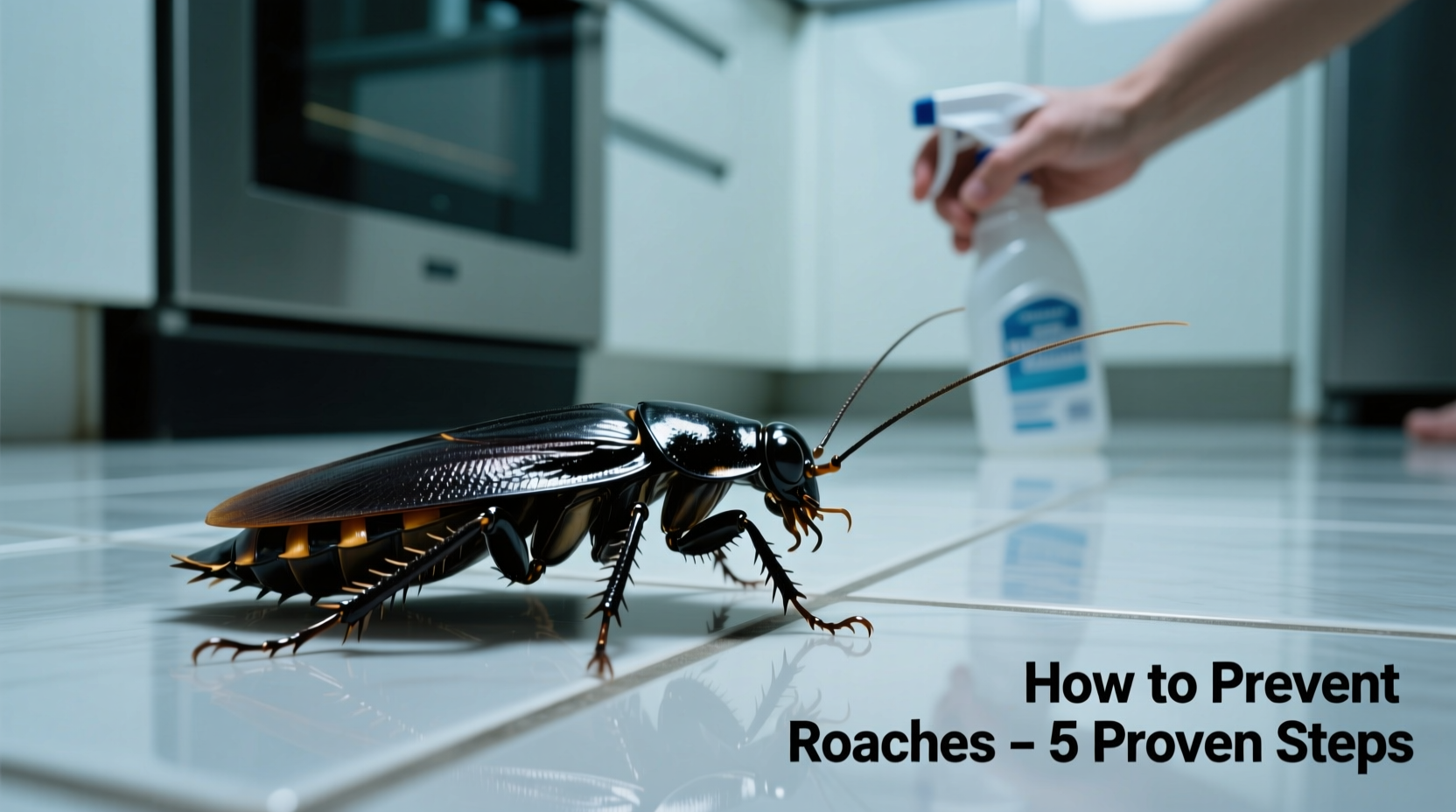
Cockroaches are not inherently drawn to filth—they’re drawn to survival. They seek three essentials: food, water, and shelter. Modern homes, especially those with accessible crumbs, leaky pipes, or cluttered storage areas, offer ideal conditions for roach colonies to thrive. Common species like the German cockroach, American cockroach, and brown-banded cockroach are particularly adept at exploiting human habitats.
These insects often enter through tiny cracks around windows, doors, plumbing lines, or electrical conduits. They can also hitchhike into homes via grocery bags, cardboard boxes, secondhand appliances, or furniture. Once inside, a single female can produce dozens of offspring in weeks, leading to rapid population growth if unchecked.
Signs of a Roach Infestation
Early detection is critical. Roaches are nocturnal and hide during the day, so visible sightings often mean the problem is already widespread. Look for these telltale signs:
- Droppings: Small, dark specks resembling coffee grounds, commonly found near cabinets, under sinks, or behind appliances.
- Egg casings (oothecae): Brown, capsule-like shells about 6–9 mm long, often tucked in hidden crevices.
- Foul odor: A musty, oily smell that intensifies with larger infestations.
- Smear marks: Greasy trails along walls or baseboards from roach movement.
- Shed skins: Exoskeletons left behind as nymphs grow.
“By the time homeowners see one roach, there are likely hundreds hidden in wall voids or beneath flooring.” — Dr. Lena Torres, Urban Entomologist, National Pest Management Association
Common Entry Points and Attractants
Roaches don’t appear out of nowhere. They exploit weaknesses in your home’s defenses. Below is a breakdown of how they get in and what keeps them there.
| Entry Point | How It Happens | Prevention Strategy |
|---|---|---|
| Cracks & Gaps | Found around windows, doors, utility lines, or foundation | Seal with silicone caulk or expandable foam |
| Drains & Pipes | Roaches crawl up through sewer lines or leaky plumbing | Install drain covers; fix leaks promptly |
| Used Furniture/Appliances | Infested items brought indoors | Inspect thoroughly before purchase; clean or treat if necessary |
| Packaging & Groceries | Roaches hide in cardboard or paper bags | Transfer dry goods to sealed containers; recycle boxes immediately |
| Pet Food & Water Bowls | Left out overnight or in corners | Remove after feeding; store pet food in airtight bins |
Step-by-Step Prevention Plan
Eliminating roaches requires more than spot treatments. A comprehensive approach disrupts their access to resources and prevents reinfestation. Follow this timeline-based strategy:
- Week 1: Inspection & Sanitation
Conduct a thorough inspection of kitchens, bathrooms, basements, and storage areas. Clean under appliances, wipe counters daily, vacuum floors, and remove standing water. Empty trash cans frequently and use lids. - Week 2: Seal & Secure
Use caulk to close gaps around windows, doors, and pipes. Install door sweeps and repair damaged screens. Cover vents and chimney openings with fine mesh. - Week 3: Declutter & Organize
Reduce cardboard, paper piles, and unused storage boxes—prime hiding spots. Store items in plastic bins with tight lids. - Week 4: Monitor & Treat
Place sticky traps or bait stations in high-risk areas. Monitor activity weekly. Replace baits as needed and avoid using repellent sprays that scatter roaches into walls. - Ongoing: Maintain Vigilance
Repeat sanitation routines weekly. Recheck seals every few months, especially after seasonal changes.
Real-Life Case: The Apartment Kitchen Turnaround
In a 2022 case study from a Chicago apartment complex, tenants reported persistent roach sightings despite regular cleaning. An inspection revealed that shared plumbing shafts allowed roaches to migrate between units, while communal trash chutes provided constant food sources. Property managers implemented a coordinated effort: sealing pipe penetrations, installing self-closing trash chute doors, and educating residents on proper food storage. Within three months, trap counts dropped by 87%. The key? Collective action and eliminating shared attractants.
Do’s and Don’ts of Roach Control
| Action | Do | Don’t |
|---|---|---|
| Cleaning | Wipe counters nightly, sweep floors daily, clean under appliances monthly | Leave dirty dishes overnight or let crumbs accumulate |
| Storage | Use glass or hard plastic containers with locking lids | Store flour, sugar, or cereal in original cardboard packaging |
| Treatment | Use gel baits or insect growth regulators (IGRs) | Overuse foggers or bug bombs—they push roaches deeper into walls |
| Water Control | Fix dripping faucets and clear clogged drains | Let condensation build on pipes or leave wet mops unattended |
FAQ: Common Questions About Home Roach Problems
Are roaches dangerous?
Yes. Cockroaches carry bacteria like Salmonella and E. coli, which can contaminate food and surfaces. Their shed skins and feces also contain allergens linked to asthma, especially in children. Long-term exposure increases respiratory risks in sensitive individuals.
Can I get rid of roaches without pesticides?
Possible for minor infestations, but challenging. Non-chemical methods include rigorous sanitation, sealing entry points, using diatomaceous earth (food-grade), and deploying sticky traps. However, established colonies typically require targeted insecticidal baits or professional treatment for full eradication.
Why do I still see roaches after treatment?
Baits take time to work. Roaches consume the poison and return to nests, spreading it to others. Seeing activity for 1–2 weeks post-treatment is normal. If roaches persist beyond 21 days, reevaluate entry points or consider professional help.
Conclusion: Take Action Before It Spreads
Roaches in your house are not inevitable. With consistent hygiene, structural upkeep, and proactive monitoring, you can make your home inhospitable to these pests. Remember, prevention is always more effective—and less costly—than eradication. Start today by sealing one gap, cleaning one drawer, or replacing one old trash bin. Small actions compound into lasting results. Don’t wait for a full-blown infestation to act. Your home’s comfort and health depend on the steps you take now.




 浙公网安备
33010002000092号
浙公网安备
33010002000092号 浙B2-20120091-4
Comments
No comments yet. Why don't you start the discussion?