
Roasting red peppers transforms their raw, slightly bitter bite into a sweet, smoky delicacy that elevates sauces, salads, sandwiches, and spreads. This humble technique—used for centuries across Mediterranean, Middle Eastern, and Latin American cuisines—requires no special equipment and delivers restaurant-quality results at home. Whether you're preparing a batch for immediate use or preserving them for future meals, mastering roasted red peppers is a foundational skill that enhances flavor depth and culinary versatility. The process softens the flesh, intensifies natural sugars, and loosens the skin for easy removal, yielding tender, aromatic strips ideal for both simple garnishes and complex dishes.
Definition & Overview
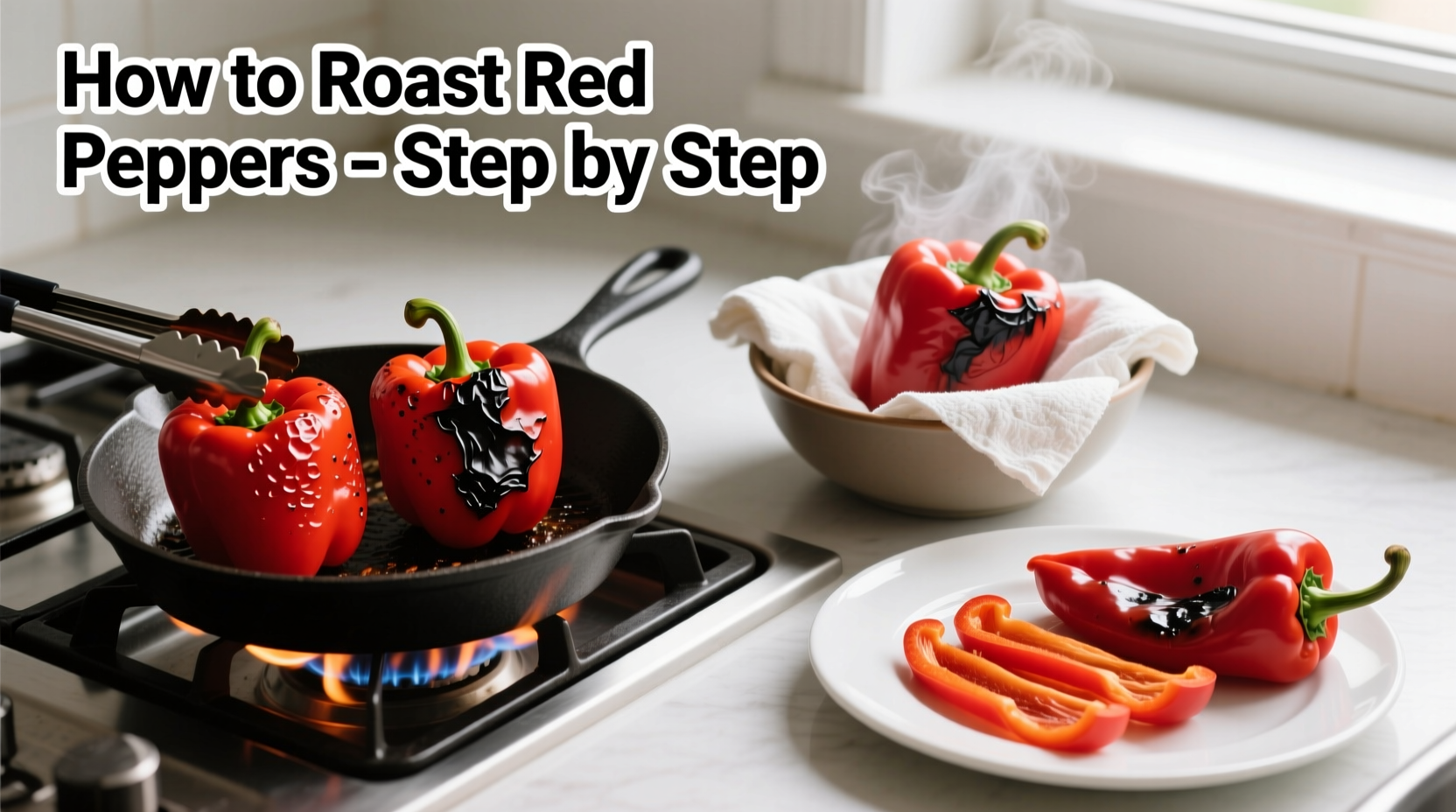
Roasted red peppers are ripe bell peppers (typically *Capsicum annuum*) that have been exposed to high heat until their skins blister and char, after which they are steamed and peeled. The roasting process fundamentally alters their texture and taste: the once-crunchy vegetable becomes silky and succulent, while its inherent sweetness deepens into rich, caramelized notes with subtle smokiness. Unlike raw peppers, which can be sharp or grassy, roasted versions offer mellow complexity, making them a prized ingredient in global kitchens.
The practice originates in sun-drenched regions where open flames, grills, or wood-fired ovens were traditionally used to cook vegetables. In Spain, roasted red peppers feature prominently in *pimientos de piquillo* and *romesco* sauce; in Italy, they appear in *peperonata* and antipasto platters; in the Balkans, they form the base of *ajvar*, a savory relish. Today, home cooks and chefs alike rely on roasting to unlock deeper flavors and create pantry staples that enhance weeknight meals and elegant presentations alike.
Key Characteristics
- Flavor: Sweet, mildly tangy, with low acidity and a hint of smoke from charring.
- Aroma: Earthy and warm, reminiscent of grilled vegetables and sun-ripened tomatoes.
- Color: Deep ruby-red to maroon flesh beneath a blackened, papery skin.
- Texture: Tender and yielding when properly roasted; easily torn or sliced.
- Heat Level: None — bell peppers are non-pungent and suitable for all palates.
- Culinary Function: Adds moisture, color, sweetness, and umami to dishes; serves as a base for sauces, dips, and condiments.
- Shelf Life: Up to 5 days refrigerated in liquid; up to 6 months if frozen or canned in oil.
Practical Usage: How to Use Roasted Red Peppers in Cooking
Once roasted and peeled, red peppers become a versatile building block in countless recipes. Their soft texture and concentrated flavor integrate seamlessly into both cold and hot preparations.
Sauces and Spreads
Blended roasted red peppers form the foundation of many emulsified sauces. Combine them with garlic, almonds, bread crumbs, olive oil, and vinegar to make Spanish *romesco*. Puree with chickpeas, tahini, lemon juice, and cumin for a vibrant pepper-hummus hybrid. In Eastern Europe, slow-cooked roasted peppers are mixed with eggplant, tomatoes, and herbs to produce *lyutenitsa*, a spread served with bread or cheese.
Salads and Appetizers
Sliced or julienned roasted peppers shine on antipasto platters alongside olives, cured meats, and cheeses. Toss strips into grain bowls, pasta salads, or green salads with feta, arugula, and balsamic glaze. They pair exceptionally well with creamy ingredients like goat cheese, ricotta, or labneh, balancing richness with brightness.
Main Dishes
Incorporate roasted peppers into casseroles, stuffed pastas, and gratins. Layer them into lasagna or slice and add to stir-fries and frittatas. They also work beautifully as a topping for grilled fish, chicken, or steak, either served fresh or warmed with herbs and olive oil.
Pickling and Preserving
Store roasted peppers in sterilized jars submerged in olive oil, along with garlic, thyme, and bay leaves. These preserved peppers last several weeks in the refrigerator and make luxurious additions to charcuterie boards or pizza toppings. For longer shelf life, pressure-can them using proper canning protocols.
Pro Tip: Always reserve the juices released during roasting. That flavorful liquid can be added to soups, stews, vinaigrettes, or sauces to boost depth without adding bulk.
Variants & Types of Roasted Red Peppers
While most commonly associated with large red bell peppers, roasting applies to various cultivars and forms. Each variant brings unique qualities depending on size, wall thickness, and sugar content.
| Type | Characteristics | Best Use Case |
|---|---|---|
| Red Bell Pepper (Standard) | Thick-walled, high moisture, intensely sweet when roasted | Ideal for purees, stuffing, and slicing for salads |
| Piquillo Pepper | Long, tapered, thinner skin, slightly more acidic | Excellent for stuffing with cheese or seafood; often packed in cans |
| Cubanelle / Italian Frying Pepper | Milder heat potential, elongated shape, moderate thickness | Suitable for grilling and rustic dishes; less sweet than red bells |
| Mini Sweet Peppers | Small, colorful, thin walls, very sweet | Quick-roast whole for appetizers or skewers |
When selecting peppers for roasting, choose specimens that are firm, glossy, and deeply colored. Avoid those with wrinkles, soft spots, or dull skin, as these indicate age and reduced sugar content. Larger red bells are preferred for maximum yield and ease of peeling due to their thick flesh and expansive surface area.
Comparison with Similar Ingredients
Roasted red peppers are sometimes confused with other charred or pickled vegetables. Understanding the distinctions ensures correct usage in recipes.
| Ingredient | Differences from Roasted Red Peppers |
|---|---|
| Grilled Green Peppers | Less sweet, more vegetal; retain some crunch; lack the deep caramelization of red varieties. |
| Pepperoncini | Mildly spicy, vinegary, always pickled; pale yellow-green color; not roasted. |
| Jalapeños (roasted) | Spicy heat present; smaller size; often used in salsas or nachos rather than delicate applications. |
| Sun-Dried Tomatoes | More concentrated, tangier, chewier texture; higher acid content; different botanical family despite similar uses. |
| Canned Roasted Peppers | Convenient but may contain preservatives or excess salt; fresher homemade versions have brighter flavor and better texture. |
\"The difference between store-bought and freshly roasted peppers is like comparing canned soup to something made from scratch — one feeds you, the other nourishes your soul.\" — Chef Elena Moreno, Culinary Instructor, Barcelona
Step-by-Step Guide to Roasting Red Peppers at Home
Three primary methods exist for roasting red peppers: over an open flame, under a broiler, or on a grill. All follow the same principle — apply intense heat to blister the skin, then steam to loosen it before peeling.
- Prepare the Peppers: Rinse and dry whole red peppers. No need to cut or seed them yet — keeping them intact prevents moisture loss and makes handling easier.
- Choose Your Method:
- Gas Stove: Place directly on a medium flame. Use tongs to rotate every 3–4 minutes until all sides are evenly blackened (12–15 minutes total).
- Broiler: Position oven rack 4–6 inches below heating element. Place peppers on a foil-lined baking sheet. Broil 5–7 minutes per side, turning with tongs until fully charred.
- Outdoor Grill: Set to high heat (450°F+). Grill whole peppers, turning occasionally, until skin blisters and chars (10–14 minutes).
- Steam to Loosen Skin: Immediately transfer roasted peppers to a bowl and cover tightly with plastic wrap or place in a sealed paper bag. Let rest for 15–20 minutes. The trapped steam softens the skin and separates it from the flesh.
- Peel the Skin: After steaming, unwrap peppers. Using your fingers or a paring knife, gently rub off the blackened skin. It should come away easily. Don’t rinse — residual moisture dilutes flavor.
- Remove Core and Seeds: Slice open each pepper, remove stem, core, and seeds. Cut into desired shapes — strips, dice, or leave halves whole.
- Store or Use Immediately: Use right away or preserve via refrigeration, freezing, or oil-packing.
Efficiency Hack: Roast multiple peppers at once. They freeze exceptionally well and can be pulled out as needed for quick meals.
Practical Tips & FAQs
Can I roast red peppers in an air fryer?
Yes, though results vary. Set the air fryer to 400°F and cook whole peppers for 15–20 minutes, shaking halfway. Expect less charring than flame methods, but sufficient softening for peeling. Finish under a broiler if additional blistering is needed.
Why won't the skin peel off?
If the skin resists removal, the peppers weren’t roasted long enough or cooled too much before steaming. Ensure deep charring on all sides and seal them immediately after roasting to trap steam. Do not refrigerate before peeling.
Do roasted peppers need to be cooked further?
No. Roasting fully cooks the pepper. They can be eaten as-is or incorporated into uncooked dishes like salads and dips. However, they may be reheated gently in sauces or casseroles without losing integrity.
How long do homemade roasted peppers last?
Refrigerated in an airtight container with a thin layer of olive oil, they keep for 4–5 days. For longer storage, freeze in single layers on a tray, then transfer to freezer bags for up to 6 months. Thaw overnight in the fridge before use.
Are roasted red peppers healthy?
Yes. Rich in vitamin C, antioxidants (especially lycopene), and fiber, roasted red peppers retain most nutrients despite heat exposure. The roasting process actually increases bioavailability of certain compounds, such as carotenoids, especially when consumed with fat (e.g., olive oil).
Can I roast yellow or orange peppers the same way?
Absolutely. Yellow and orange bell peppers respond similarly to roasting, though they are slightly less sweet and lower in lycopene than red ones. Adjust expectations for color and intensity — red peppers deliver the deepest flavor due to longer ripening on the vine.
What if I don’t have a gas stove or broiler?
A cast-iron skillet over high heat works in a pinch. Press the pepper down gently to encourage even contact and charring. Rotate frequently. Alternatively, use a kitchen torch focused on small sections until blackened, though this is time-consuming.
Should I add oil before roasting?
No. Oil can cause flare-ups and uneven charring. Apply oil only after peeling, just before serving or storing, to enhance flavor and prevent drying.
Storage & Preservation Techniques
Proper storage maximizes shelf life and maintains quality. Consider these proven methods:
- Refrigeration: Place peeled peppers in a glass container, cover with olive oil, and seal. Lasts up to 5 days. Add a sprig of thyme or crushed garlic for flavor infusion.
- Freezing: Lay peeled, sliced peppers flat on parchment-lined trays. Freeze solid, then pack into labeled freezer bags. Prevents clumping and allows portion control. Use within 6 months.
- Olive Oil Packing: Submerge in extra virgin olive oil in sterilized jars. Include aromatics like garlic, chili flakes, or rosemary. Refrigerate and consume within 3 weeks unless pressure-canned.
- Drying: Thinly slice and dehydrate at 135°F for 6–8 hours. Store in airtight jars with oxygen absorbers. Rehydrate in warm water before use in stews or sauces.
“I always roast a dozen peppers on Sunday. By Tuesday, they’ve become tapenade, by Thursday they’re folded into omelets, and by weekend they top bruschetta. One technique, endless reinvention.” — Maria Chen, Food Blogger, Simple Roots Kitchen
Summary & Key Takeaways
Roasting red peppers is a transformative technique that turns a common vegetable into a gourmet ingredient. Through direct heat and controlled steaming, the pepper’s natural sugars caramelize, its texture softens, and its flavor evolves from mild to deeply savory-sweet. Whether executed over a gas flame, under a broiler, or on a grill, the method remains consistent and accessible to all home cooks.
Key points to remember:
- Use ripe, firm red bell peppers for optimal sweetness and yield.
- Char thoroughly on all sides to ensure easy peeling.
- Steam immediately after roasting to loosen the skin.
- Never wash or rinse after peeling — it washes away flavor.
- Store in oil for short-term use or freeze for long-term convenience.
- Apply in sauces, salads, mains, and spreads to elevate everyday dishes.
Final Thought: Mastering roasted red peppers isn’t just about technique — it’s about unlocking a world of flavor with minimal effort. Once you taste the difference fresh-roasted peppers make, you’ll never reach for the jarred version again.




 浙公网安备
33010002000092号
浙公网安备
33010002000092号 浙B2-20120091-4
Comments
No comments yet. Why don't you start the discussion?