
Tiled floors are a staple in kitchens, bathrooms, and entryways due to their durability and aesthetic appeal. However, one persistent challenge homeowners face is maintaining clean tile grout—the narrow lines between tiles that trap dirt, mold, and grime over time. Two popular cleaning tools have emerged to tackle this issue: robot mops and traditional steam mops. While both promise cleaner floors with less effort, they differ significantly in performance, especially when it comes to deep-cleaning grout. Understanding these differences can help you choose the right tool for your home’s specific needs.
Understanding Tile Grout and Why It’s Hard to Clean
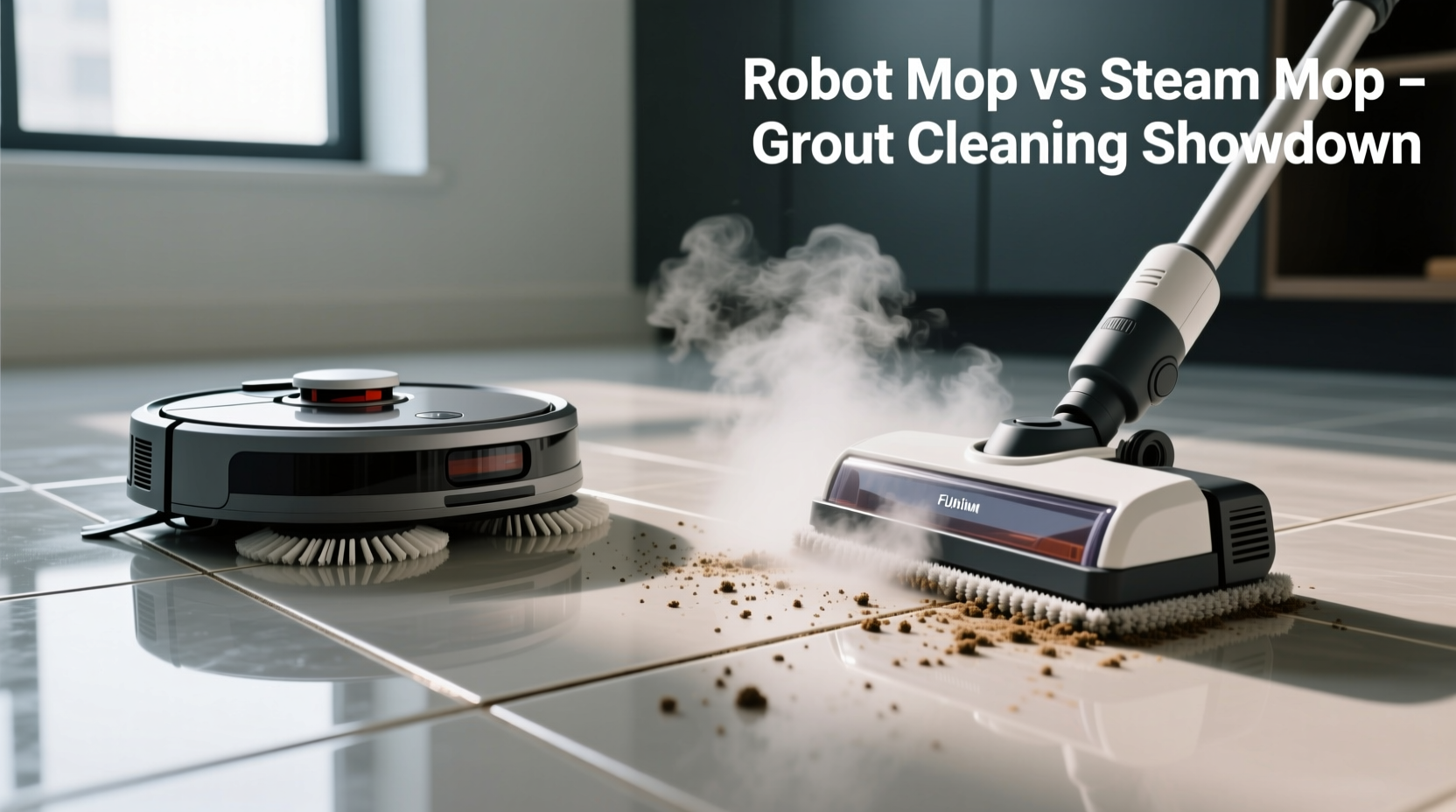
Grout is porous by nature, making it highly susceptible to absorbing spills, oils, and moisture. Over time, this leads to discoloration, mildew growth, and stubborn stains. Unlike smooth tile surfaces, grout lines require more than surface wiping—they need agitation, heat, or targeted scrubbing to remove embedded debris.
Traditional cleaning methods like hand scrubbing with brushes and bleach solutions work but are labor-intensive. This has led many to turn to automated or enhanced cleaning devices such as robot mops and steam mops. But not all systems are equally effective on grout, and choosing between them requires understanding how each operates and where their strengths lie.
How Robot Mops Work and Their Limitations on Grout
Robot mops are autonomous floor-cleaning devices designed to glide across hard surfaces, dispensing water or cleaning solution while using microfiber pads to wipe away dust and light spills. Most models operate via sensors and mapping technology to navigate rooms efficiently. They’re ideal for daily maintenance and preventing surface-level dirt accumulation.
However, when it comes to grout cleaning, robot mops fall short in several key areas:
- Lack of pressure: Robot mops apply minimal downward force, insufficient to dislodge deeply embedded grime from textured grout lines.
- No heat application: Cold or room-temperature water does not break down grease or kill mold spores effectively.
- Passive cleaning method: The mop pad merely drags over the surface without scrubbing action, leaving pores untouched.
- Inconsistent coverage: Corners, edges, and tight spaces near baseboards often get missed during automated runs.
Some high-end robot mops now include features like vibrating pads or stronger spray systems, but even these enhancements rarely match the mechanical scrubbing needed for true grout restoration. They may lighten surface stains temporarily but do not provide deep sanitization.
“Robot mops excel at convenience and routine upkeep, but they shouldn’t be relied upon for deep grout cleaning. For hygiene and aesthetics, physical agitation and heat are non-negotiable.” — Dr. Linda Reeves, Home Hygiene Researcher at CleanLiving Institute
The Power of Steam Mops: Heat, Pressure, and Manual Control
Traditional steam mops use heated water vapor to loosen dirt, sanitize surfaces, and penetrate porous materials like grout. These devices typically consist of a boiler unit, a handheld nozzle or mop head, and reusable microfiber cloths. When activated, they release pressurized steam at temperatures exceeding 200°F (93°C), enough to dissolve organic matter and kill 99.9% of bacteria, viruses, and mold spores.
Steam mops offer distinct advantages for grout cleaning:
- Deep penetration: High-temperature steam seeps into grout pores, softening built-up residue and lifting it to the surface.
- Sanitization: Unlike chemical cleaners or cold-water mopping, steam eliminates biological contaminants without leaving behind toxic residues.
- Scrubbing compatibility: Most steam mops allow users to attach scrub brushes or nozzles specifically designed for grout lines, enabling direct mechanical action.
- Spot treatment: Users can focus steam precisely on problem areas, ensuring thorough cleaning where it's most needed.
While manual operation demands more effort than setting a robot and walking away, the level of control ensures better results—especially in homes with older or heavily soiled grout.
Step-by-Step Guide: Deep Cleaning Grout with a Steam Mop
To maximize effectiveness when using a steam mop on tile grout, follow this proven process:
- Sweep or vacuum thoroughly: Remove loose dirt and debris to prevent spreading mud during steaming.
- Attach a grout brush or detail nozzle: Choose an accessory that fits snugly into grout lines for focused steam delivery.
- Preheat the unit fully: Allow the steam mop to reach maximum temperature before starting (usually 5–7 minutes).
- Work in small sections: Apply steam directly onto grout lines, holding the nozzle about 1 inch away for 5–10 seconds per spot.
- Scrub gently with a brush: After steaming, use a stiff nylon brush to agitate loosened grime without damaging tile.
- Wipe with a clean cloth: Use a dry microfiber towel to absorb excess moisture and polish tiles.
- Repeat if necessary: For severely stained grout, a second round may be required.
Comparative Analysis: Robot Mops vs Steam Mops for Grout Cleaning
| Feature | Robot Mop | Steam Mop |
|---|---|---|
| Cleaning Mechanism | Water spray + microfiber pad wiping | High-temp steam + optional scrubbing |
| Effectiveness on Grout | Low to moderate (surface only) | High (deep penetration) |
| Sanitization Capability | Limited (unless using disinfectant solution) | Excellent (kills germs naturally) |
| User Effort Required | Minimal (set and forget) | Moderate (manual operation) |
| Best For | Daily maintenance, light spills | Weekly deep cleans, mold-prone areas |
| Precision on Edges/Grout Lines | Poor to fair | Excellent (with proper attachments) |
| Cost Range | $200–$700+ | $50–$150 |
| Lifespan & Maintenance | Requires filter/pad replacements; software updates | Descaling needed; fewer moving parts |
This comparison shows that while robot mops win in automation and convenience, steam mops dominate in actual cleaning power—particularly for grout. If your priority is hygiene, stain removal, and long-term tile appearance, steam remains the superior choice.
Real-World Example: A Kitchen Floor Transformation
Sarah Thompson, a homeowner in Portland, OR, had been relying solely on her premium robot mop to maintain her kitchen’s ceramic tile floor. After two years, she noticed dark streaks forming along the grout lines, particularly near the sink and stove. She ran the robot multiple times, even upgraded its cleaning pad, but saw no improvement.
Frustrated, she purchased a mid-range steam mop with a turbo nozzle and grout brush attachment. Following the step-by-step guide above, she spent one Saturday morning treating each section of flooring. Within three hours, the transformation was dramatic: grout lines turned from grayish-black back to off-white, and the entire floor looked rejuvenated. She now uses the robot mop for daily touch-ups and reserves the steam mop for bi-weekly deep cleaning.
“I thought I was being smart with automation,” Sarah said. “But some jobs just need human attention and real cleaning power.”
When to Use Each Tool: A Practical Checklist
Instead of viewing robot mops and steam mops as competitors, consider integrating both into your cleaning routine based on their strengths. Use this checklist to determine the best approach:
- ✅ Use a robot mop if:
- You want daily maintenance on relatively clean floors.
- You're managing pet hair, crumbs, or light foot traffic residue.
- You value hands-free operation and scheduling flexibility.
- Your grout is sealed and in good condition.
- ✅ Use a steam mop if:
- You notice visible grime, discoloration, or musty odors in grout.
- You live in a humid climate prone to mold growth.
- You’re preparing for deep cleaning after renovation or heavy use.
- You prefer chemical-free sanitation methods.
- ✅ Use both if:
- You want optimal cleanliness with minimal weekly effort.
- You have large tiled areas needing consistent upkeep and periodic deep cleans.
Frequently Asked Questions
Can robot mops damage tile or grout?
Generally, no. Most robot mops are designed to be gentle on hard surfaces. However, models that use excessive water output or low-quality pads might contribute to moisture buildup in unsealed grout, potentially leading to mold over time. Always check manufacturer guidelines and avoid oversaturation.
Do steam mops work on colored or old grout?
Yes, but with caution. Steam is effective on most grout types, including sanded and unsanded varieties. However, if the grout is cracked or poorly sealed, excessive moisture could worsen deterioration. Test in a small area first and ensure proper ventilation afterward to prevent dampness retention.
How often should I deep-clean grout?
For most households, a thorough steam-cleaning session every 2–4 weeks is sufficient to maintain hygiene and appearance. In high-moisture areas like bathrooms, monthly cleaning is recommended. Kitchens with frequent spills may benefit from bi-weekly treatments.
Final Recommendation: Match the Tool to the Task
The debate between robot mops and traditional steam mops isn't about declaring a single winner—it's about aligning the right tool with your cleaning goals. If your aim is effortless daily upkeep and you already maintain your grout well, a robot mop offers undeniable convenience. But if you're dealing with stained, dirty, or unsanitary grout lines, nothing replaces the penetrating power of a steam mop.
For lasting results, combine both: let the robot handle routine patrols, and bring out the steam mop for scheduled deep cleans. This hybrid strategy balances efficiency with effectiveness, keeping your tile floors looking fresh, hygienic, and professionally maintained year-round.




 浙公网安备
33010002000092号
浙公网安备
33010002000092号 浙B2-20120091-4
Comments
No comments yet. Why don't you start the discussion?