
For parents shopping for the perfect school bag, the choice between a rolling backpack and a traditional backpack can feel overwhelming. Both options promise durability and functionality, but they serve different needs—and more importantly, appeal differently to children. While adults may prioritize ergonomics or weight distribution, kids often care more about style, ease of use, and social acceptance. Understanding what students truly prefer requires looking beyond marketing claims and into real classroom dynamics, physical comfort, and long-term usability.
The Weight Factor: Why Rolling Backpacks Gained Popularity
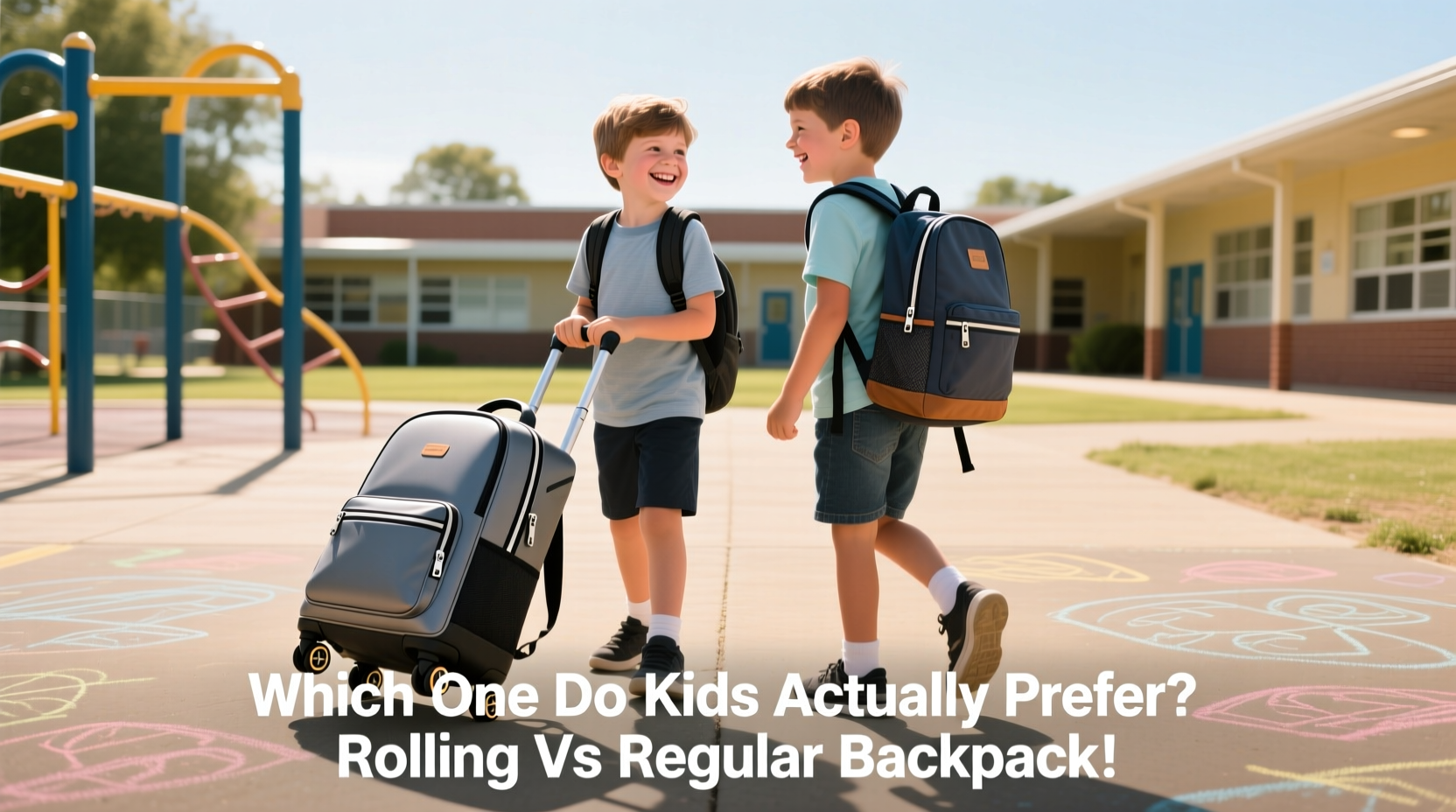
One of the primary reasons rolling backpacks entered mainstream school culture was due to growing concerns over back strain in children. Studies from the American Academy of Pediatrics suggest that children should carry no more than 10–20% of their body weight in a backpack. Yet, with textbooks, laptops, lunchboxes, and supplies, many students routinely exceed this limit—sometimes carrying up to 30% of their body weight.
Rolling backpacks emerged as a solution. By shifting the load from shoulders to wheels, they reduce spinal pressure and eliminate uneven strain caused by single-strap carrying habits. For students with pre-existing back conditions, scoliosis, or those simply overwhelmed by heavy loads, a rolling option can be a game-changer.
Kids’ Preferences: Style, Mobility, and Social Perception
Despite the ergonomic benefits, not all children embrace rolling backpacks. In fact, preference often splits sharply by age group. Elementary school students tend to love them—bright colors, fun designs, and the novelty of pulling rather than carrying make rolling bags appealing. But around middle school, attitudes shift.
“By sixth or seventh grade, kids start caring more about fitting in,” says Dr. Lisa Tran, a pediatric occupational therapist. “They notice who’s dragging a suitcase-like bag down the hallway and worry about standing out.”
“We want our kids to be comfortable, but we also don’t want them to feel embarrassed,” shared Maria Gonzalez, mother of two in suburban Chicago. “My daughter switched back to a regular backpack in seventh grade because her friends said hers looked like a ‘luggage set.’”
This social stigma isn’t universal, but it’s real enough to influence decisions. Meanwhile, younger children often report higher satisfaction with rolling models—especially if stairs aren’t a major obstacle at school.
Comparative Analysis: Rolling vs Regular Backpacks
| Feature | Rolling Backpack | Regular Backpack |
|---|---|---|
| Weight Distribution | Excellent – shifts load to arms/wheels | Fair to good – depends on fit and padding |
| Mobility (stairs, buses) | Poor – difficult on stairs, crowded hallways | Excellent – fully portable |
| Durability | Lower – wheels and frames break easily | Higher – fewer moving parts |
| Kid Appeal (Elementary) | High – fun, easy to pull | Moderate – standard look |
| Kid Appeal (Middle/High School) | Low – seen as uncool or childish | High – fashion-forward options available |
| Cost | Higher – $60–$120 average | Variable – $20–$100 depending on brand |
| Lifespan | 1–2 years (wheel replacement common) | 2–4 years with proper care |
Real-World Scenario: A Week in the Life of Two Students
Case Study: Emma (Grade 5) vs. Jordan (Grade 8)
Emma, 10, uses a rolling backpack with her favorite cartoon characters printed on the side. Her school has no stairs, and she walks short distances between classes. She loves that she doesn’t feel tired at the end of the day. “I just pull it,” she says. “It’s like having a pet that follows me.” Her mom reports fewer complaints of shoulder pain since switching.
Jordan, 13, tried a rolling backpack last year but abandoned it after three weeks. His high school has four floors, narrow stairwells, and crowded locker bays. “It got stuck everywhere,” he explains. “And I had to carry it up the stairs anyway, so it was heavier than a normal backpack.” He now uses an ergonomic regular backpack with padded straps and a chest clip. “It’s lighter, fits better, and no one makes fun of it.”
This contrast illustrates a critical point: context matters. Infrastructure, age, and daily routine shape how well a rolling backpack works in practice.
When a Rolling Backpack Makes Sense
Certain situations clearly favor rolling models:
- Schools without stairs or elevators
- Students with medical conditions affecting posture or strength
- Children in early elementary grades who enjoy novelty and have lighter social pressures
- Families who value long-term spinal health over short-term trends
However, even in favorable environments, durability remains a concern. Many rolling backpacks suffer from weak axles or flimsy fabric. Look for reinforced stitching, ball-bearing wheels, and telescoping handles made of aluminum—not plastic.
Choosing the Right Regular Backpack: Ergonomics Matter
For most older students, a well-designed regular backpack is the better choice. The key is selecting one that supports healthy posture. Look for these features:
- Two wide, padded shoulder straps – prevent digging and nerve compression.
- Chest or waist strap – stabilizes the load and reduces sway.
- Compartments for weight distribution – heavier items (like laptops) should sit close to the back.
- Reflective elements – improve safety during early morning or evening commutes.
- Lightweight material – avoid adding unnecessary base weight.
Brands like JanSport, Lands’ End, and Osprey offer models specifically designed with pediatric ergonomics in mind. Some even collaborate with chiropractors to ensure proper fit.
FAQ: Common Questions Parents Ask
Do rolling backpacks damage school floors?
Some schools restrict rolling backpacks due to concerns about scuff marks on linoleum or noise in hallways. However, modern models with rubberized wheels cause minimal damage. Check your school’s policy before purchasing.
Can a rolling backpack be carried like a regular one?
Yes, most come with dual-use functionality—shoulder straps allow carrying when needed. But keep in mind: these bags are heavier than standard backpacks due to the frame and wheels, making them cumbersome when lifted.
At what age should kids stop using rolling backpacks?
There’s no hard rule, but most children phase them out between grades 6 and 8. The decision should balance physical need with emotional comfort. If a student feels self-conscious, forcing a rolling bag may cause more stress than relief.
Action Plan: How to Choose the Right Backpack for Your Child
- Assess daily load: Weigh your child’s typical backpack contents. If it exceeds 10–15% of their body weight, consider rolling or load-sharing strategies.
- Evaluate school layout: Are there stairs, escalators, or tight spaces? Visit the campus if possible.
- Involve your child in selection: Let them try on both types. Comfort and willingness to use the bag consistently matter more than theoretical benefits.
- Test mobility: Pull a rolling model through a grocery store or simulate stair climbing with a filled bag.
- Monitor early use: Watch for signs of discomfort, wear, or social hesitation. Be open to switching mid-year if needed.
Final Thoughts: It’s Not One-Size-Fits-All
The debate between rolling and regular backpacks isn’t about which is objectively better—it’s about matching the right tool to the individual child. Rolling backpacks excel in reducing physical strain and are ideal for younger students or those with heavy loads and accessible campuses. Regular backpacks win in versatility, durability, and social acceptability, especially as kids grow older.
Ultimately, the best backpack is the one your child will use comfortably and consistently. Prioritize function, involve them in the decision, and stay flexible. Needs change, bodies grow, and school demands evolve. What works in fifth grade might not suit ninth.




 浙公网安备
33010002000092号
浙公网安备
33010002000092号 浙B2-20120091-4
Comments
No comments yet. Why don't you start the discussion?