
When furnishing a space, one of the most subtle yet impactful decisions you’ll make is choosing the right rug. It’s not just about color or texture—shape plays a surprisingly powerful role in how a room feels and functions. At first glance, the choice between a round rug and a square rug might seem purely aesthetic, guided more by personal taste than design principle. But dig deeper, and it becomes clear: shape isn’t just vibe—it’s strategy.
A rug does more than cover floor space. It defines zones, influences movement, and sets the tone for an entire room. Whether you're anchoring a living room conversation area or softening a bedroom floor, the geometry of your rug can either enhance harmony or create visual tension. So, does shape really matter? The answer is yes—and here’s why.
The Functional Role of Rug Shape
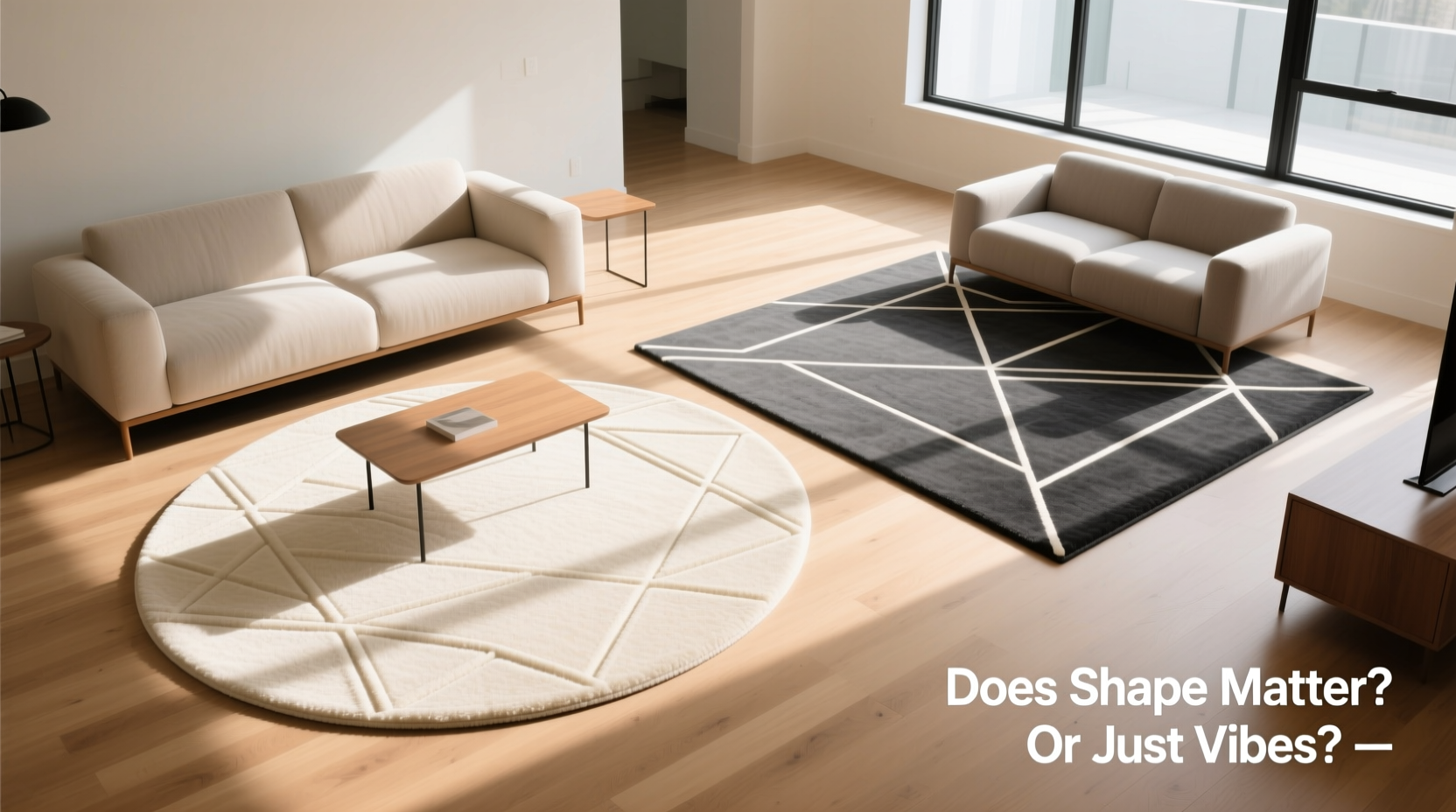
Rug shape affects both form and function. While square and rectangular rugs are traditional choices that align naturally with the rectilinear architecture of most homes, round rugs introduce softness and break up rigid lines. Each has distinct advantages depending on layout, furniture arrangement, and spatial dynamics.
Square rugs work well in structured environments. They fit neatly under dining tables, align cleanly with sofas, and reinforce symmetry. Round rugs, on the other hand, soften angular spaces and guide the eye in a circular motion, creating intimacy. In open-concept layouts, a round rug can visually separate a seating area from a kitchen or hallway without erecting physical barriers.
Psychological Impact: How Shape Influences Mood
Designers have long understood that shapes evoke emotional responses. Angular forms like squares and rectangles suggest stability, order, and efficiency. Curved shapes like circles imply comfort, continuity, and approachability. This isn't just theory—it's rooted in environmental psychology.
In high-traffic areas such as entryways or home offices, a square rug reinforces structure and purpose. In contrast, a round rug in a lounge or reading nook promotes relaxation and connection. Consider a couple sitting across from each other on a sofa: a round rug beneath them subtly encourages face-to-face interaction, while a rectangular one might emphasize parallel positioning.
“Shape is never neutral in interior design. A circle draws people inward; a rectangle organizes them side by side. Choose based on how you want the space to feel.” — Lila Nguyen, Interior Psychologist & Spatial Design Consultant
Room-by-Room Guide to Choosing the Right Shape
The best rug shape depends heavily on the room’s purpose, size, and existing layout. Below is a breakdown of optimal choices for common spaces.
| Room | Recommended Shape | Why It Works |
|---|---|---|
| Living Room (with sectional) | Square/Rectangle | Aligns with furniture lines and fills large floor areas evenly. |
| Small Living Room or Studio | Round | Adds softness, avoids crowding corners, creates illusion of space. |
| Dining Room | Square | Fits under table and chairs, even when pulled out; maintains balance. |
| Bedroom (king bed) | Rectangle | Provides consistent coverage at the foot and sides of the bed. |
| Bedroom (small or single bed) | Round | Adds whimsy and breaks up linear furniture lines. |
| Entryway | Runner or Round | Round rugs stand out in foyers and signal a welcoming transition. |
Mini Case Study: Transforming a Boxed-In Apartment Lounge
Jamal rented a studio apartment with a compact living area that felt stiff and uninviting. His L-shaped sofa sat flush against two walls, forming a hard right angle. He initially placed a large rectangular rug under the sofa, but the space still felt segmented and cold.
After consulting a designer, he switched to a 7-foot round jute rug centered under the coffee table. The change was immediate: the room felt more cohesive, and guests naturally oriented themselves toward each other. “It’s like the room finally learned how to breathe,” Jamal said. The round shape softened the angular layout and created a natural gathering point.
Proportion and Placement: The Hidden Rules
No matter the shape, improper sizing ruins even the best design intent. A common mistake is selecting a rug that’s too small. Ideally, all furniture legs should rest on the rug, or at least the front legs in larger rooms.
- Square rugs: Should extend at least 12–18 inches beyond the sofa or dining table on all sides.
- Round rugs: Must be large enough to contain the key furniture pieces—never so small that only the front legs touch it.
- Circular tables: Pair naturally with round rugs; rectangular tables generally suit square rugs.
In irregularly shaped rooms, consider using multiple smaller rugs instead of one oversized piece. For example, a narrow galley kitchen might benefit from two small round rugs—one at the stove, one at the sink—rather than one long runner that doesn’t define any zone meaningfully.
Checklist: Choosing Between Round and Square Rugs
Before making your decision, ask yourself the following questions:
- What is the primary function of this room? (Entertaining, relaxing, working?)
- Is the room predominantly angular or does it have curved elements?
- Do I want to emphasize symmetry or create softness?
- How much floor space do I need to cover?
- Does my furniture arrangement follow straight lines or a conversational cluster?
- Am I trying to define a zone in an open-plan layout?
- Will foot traffic patterns conflict with awkward rug edges?
If you answered \"yes\" to questions 1, 2, 4, and 5, a square or rectangular rug is likely the better fit. If questions 3, 6, and 7 resonate more, a round rug could be the ideal solution.
FAQ
Can I mix round and square rugs in the same space?
Yes—layering shapes can add depth and personality. For instance, place a small round rug over a larger neutral square one to highlight a reading chair or side table. Just ensure they share a cohesive color palette to avoid visual chaos.
Are round rugs harder to clean or maintain?
No. Maintenance depends more on material (wool, synthetic, jute) than shape. However, round rugs may require custom pads or non-slip anchors since standard rug grippers are often rectangular. Always use a pad to prevent slipping and wear.
Do round rugs make a room look bigger?
They can. In small or cluttered spaces, round rugs draw the eye inward and eliminate harsh corners, creating a sense of openness. Paired with minimal furniture, they enhance flow and reduce visual fragmentation.
Final Verdict: Shape Matters—But Vibes Help You Decide
So, does shape really matter? Absolutely. Geometry influences perception, behavior, and spatial harmony. Square rugs bring order, efficiency, and familiarity. Round rugs introduce movement, warmth, and surprise. One isn’t inherently better—they serve different purposes.
That said, “vibes” aren’t irrelevant. Your instinct about what feels right in a space often reflects subconscious awareness of proportion, balance, and emotional resonance. The best interiors blend technical understanding with personal expression. Let function guide your foundation, then layer in personality.
Next time you’re standing in a showroom or scrolling online, don’t dismiss shape as mere aesthetics. Ask: What do I want this room to do? Who will use it? How should it feel when someone walks in? The answers will point you toward the right shape—whether that’s square, round, or somewhere in between.




 浙公网安备
33010002000092号
浙公网安备
33010002000092号 浙B2-20120091-4
Comments
No comments yet. Why don't you start the discussion?