
Winter running presents a unique challenge: how to maintain muscle warmth for performance and injury prevention while avoiding excessive sweating and overheating. Many runners face the daily dilemma of choosing between tights and shorts when temperatures drop. While both options have their place, understanding the science behind thermal regulation, fabric technology, and real-world performance can help you make smarter decisions—especially when your legs are on the line.
The goal isn’t just comfort—it’s optimizing blood flow, reducing muscle strain, and preventing conditions like hamstring tightness or delayed onset muscle soreness (DOMS) that are more common in cold weather. This article breaks down the advantages and drawbacks of running tights versus shorts in winter, backed by physiology, athlete experiences, and material science.
Thermal Regulation and Muscle Performance in Cold Weather
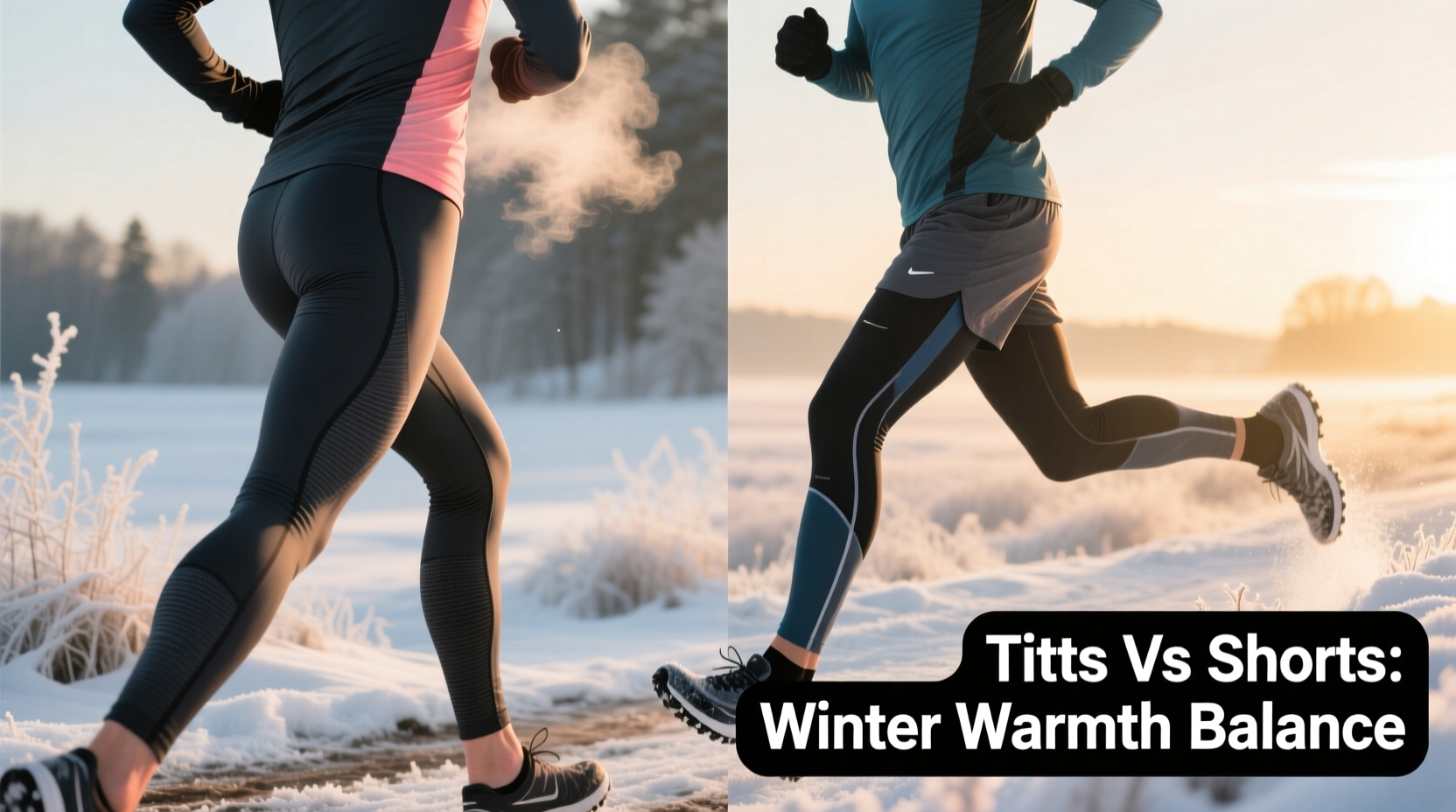
Muscles function best within a narrow temperature range. When ambient temperatures fall below 50°F (10°C), muscle viscosity increases, reducing elasticity and contraction efficiency. Cold muscles require more oxygen and generate less power, increasing fatigue and injury risk. Keeping leg muscles warm supports neuromuscular coordination and reduces the likelihood of strains.
However, over-layering leads to overheating. Excessive heat causes profuse sweating, which—when combined with wind or sub-zero air—can result in rapid cooling once you stop moving. This cycle of overheating followed by chilling defeats the purpose of insulation and may impair performance more than starting slightly cool.
The ideal solution maintains a balance: enough insulation to preserve core and muscle temperature without triggering excessive perspiration. This is where the choice between tights and shorts becomes critical.
“Muscle temperature directly affects force production and recovery. A 3–5°C drop in muscle temp can reduce strength output by up to 20%.” — Dr. Lena Torres, Sports Physiologist at Nordic Performance Lab
Running Tights: Advantages and Limitations
Compression-style running tights, especially those made from thermal or brushed fabrics, are designed to retain body heat. Most winter tights use polyester-spandex blends with a soft inner lining that traps warm air close to the skin. Some models include wind-resistant panels on the front of the thighs and knees, offering protection from biting gusts without sacrificing mobility.
Key benefits of tights in winter:
- Consistent warmth: Full coverage minimizes exposure to cold air, maintaining steady muscle temperature.
- Compression support: Mild compression improves circulation and may reduce muscle oscillation, delaying fatigue.
- Wind resistance: High-quality tights block airflow better than any short, even with tights underneath.
- Reduced chafing: Seamless designs and moisture-wicking materials prevent friction during long runs.
However, tights aren’t universally ideal. In moderate winter conditions (40–50°F / 4–10°C), they can cause overheating, particularly during high-intensity intervals. Breathability varies significantly between brands; cheaper models often trap moisture, leading to clamminess rather than dry warmth.
Running Shorts: Practicality and Layering Potential
Running shorts are traditionally associated with warm weather, but many athletes continue using them in winter—especially when paired with compression liners or base layers. Lightweight, breathable shorts allow for dynamic thermoregulation, letting excess heat escape during intense efforts.
Shorts excel in variable conditions. If your run includes indoor segments, sprints, or fluctuating exertion levels, shorts provide greater adaptability. They also simplify bathroom breaks and reduce laundry load when worn over tights or leggings.
Common winter-friendly short features include:
- Water-repellent outer fabric
- Zippered pockets for gloves or keys
- Integrated compression briefs to support muscles
- Reflective details for low-light visibility
Yet, shorts alone offer minimal insulation. Without layering, they leave quadriceps and hamstrings vulnerable to cold-induced stiffness. Even in milder winters, exposed skin cools rapidly during prolonged runs, especially with wind chill.
Comparison: Tights vs Shorts in Real Winter Conditions
| Factor | Running Tights | Running Shorts |
|---|---|---|
| Muscle Warmth | High – full coverage retains heat | Low – unless layered with thermal tights |
| Breathability | Moderate – depends on fabric tech | High – allows heat dissipation |
| Wind Protection | Excellent – especially with windproof panels | Poor – minimal barrier |
| Layering Flexibility | Limited – usually standalone | High – can be worn over tights |
| Sweat Management | Good in quality models; poor in budget versions | Excellent – promotes evaporation |
| Ideal Temperature Range | Below 45°F (7°C) | 35–55°F (2–13°C) with proper layering |
This comparison shows that neither option dominates across all conditions. The decision should depend on temperature, wind speed, run duration, and personal sweat rate.
Step-by-Step Guide: Choosing Based on Conditions
Follow this practical sequence to decide between tights and shorts each time you head out in winter:
- Check the forecast: Note temperature, wind speed, and precipitation. Wind chill matters more than air temperature alone.
- Evaluate run intensity: Easy runs generate less heat than tempo efforts. High-intensity workouts favor breathability (shorts). Long, slow runs favor insulation (tights).
- Assess humidity: Wet cold requires faster-drying fabrics. Avoid cotton-based layers regardless of choice.
- Decide on layering: If wearing shorts, plan to pair them with thermal compression tights underneath.
- Test early: On your first mile, monitor leg comfort. If you’re shivering after 10 minutes, tights would have been better. If you’re sweating heavily by mile two, consider lighter gear next time.
Mini Case Study: Trail Runner in Colorado Winter
Alice, a trail runner based in Boulder, Colorado, trains year-round in variable mountain weather. During a December long run, temperatures hovered around 38°F (3°C) with 15 mph winds. She opted for lightweight running shorts over merino wool-blend thermal tights—a hybrid approach.
Her reasoning: “I knew the first half was uphill and would heat me up fast. If I wore full winter tights, I’d drench them in sweat. But going bare-legged wasn’t an option with snow patches and icy gusts.”
The layered system worked: the thermal base layer retained warmth, while the outer shorts shielded her legs from wind and light brush. After the climb, as she cooled down on flatter terrain, the base layer continued to insulate without becoming soggy. Her quads stayed loose throughout, and she avoided the post-run stiffness she often felt when overdressed.
This case illustrates a strategic compromise: leveraging the breathability of shorts with the insulation of tights through smart layering.
Expert Tips for Avoiding Overheating While Staying Warm
Staying warm without sweating excessively comes down to material choices and adaptive dressing. Consider these evidence-based recommendations:
- Use **moisture-wicking base layers** made from merino wool or synthetic technical fabrics.
- Choose **zip-off or vented tights** for transitional weather.
- Carry **disposable hand warmers** in a pocket if you tend to get cold post-run.
- Warm up indoors before heading out. Starting with warm muscles reduces the need for heavy insulation.
- Invest in **dual-layer systems**: thermal tights under convertible shorts give maximum control.
Frequently Asked Questions
Can I wear running shorts in 30°F (-1°C) weather?
Not safely without layering. At 30°F, exposed skin risks frostnip, and muscles cool quickly. However, wearing shorts over thermal tights or compression leggings is viable if the outer short provides wind resistance and the base layer manages moisture effectively.
Do compression tights really keep muscles warmer?
Yes, but indirectly. Compression itself doesn’t generate heat, but snug-fitting tights reduce air movement against the skin and improve blood circulation. Combined with insulating fabric, they maintain higher muscle temperature compared to loose clothing.
Why do my legs feel stiff when I run in shorts during winter?
Exposed muscles lose heat rapidly, especially in wind. Cold muscles have reduced elasticity and slower nerve conduction, leading to stiffness and delayed response. This effect is amplified if you skip a proper warm-up or wear non-wicking fabrics.
Final Checklist: How to Choose the Right Legwear
Before every winter run, ask yourself:
- Is the temperature below 45°F (7°C)? → Lean toward tights.
- Will I be running hard or uphill? → Consider shorts over thermal base layers.
- Is there strong wind or precipitation? → Prioritize windproof tights.
- Do I sweat heavily? → Opt for breathable fabrics with ventilation zones.
- Am I running longer than 60 minutes? → Full coverage tights reduce cumulative cooling.
Conclusion: Balance Warmth, Breathability, and Adaptability
The debate between running tights and shorts in winter isn’t about declaring one superior—it’s about matching your gear to the conditions and your physiology. For most runners in cold climates, thermal tights offer unmatched muscle warmth and wind protection. But shorts, especially when layered, provide crucial breathability and flexibility for variable efforts.
The smartest runners don’t stick to one option all season. They adapt. They understand that staying slightly cool at the start is better than peeling off soaked layers mid-run. They prioritize moisture management as much as insulation. And they know that keeping muscles warm isn’t just about comfort—it’s about preserving performance and reducing injury risk.




 浙公网安备
33010002000092号
浙公网安备
33010002000092号 浙B2-20120091-4
Comments
No comments yet. Why don't you start the discussion?