
Resin fridge magnets are both functional and decorative, often serving as cherished keepsakes, handmade gifts, or promotional items. Their glossy finish and vibrant colors make them stand out on any refrigerator surface. However, over time, they can accumulate dust, fingerprints, kitchen grease, and even mild mold in humid environments. While cleaning them may seem straightforward, improper techniques can lead to cloudiness, cracking, discoloration, or weakened magnetic backing. Using safe and effective cleaning methods is essential to preserve their appearance and longevity.
Cleaning resin magnets isn’t just about aesthetics—it’s about maintaining hygiene in the kitchen and protecting sentimental or collectible value. This guide outlines proven, gentle approaches that safeguard the integrity of the resin while ensuring a thorough clean.
Understanding Resin and Its Vulnerabilities
Resin, particularly epoxy resin commonly used in decorative magnets, is a synthetic polymer known for its clarity, durability, and resistance to UV light and moisture. Despite these strengths, it’s not impervious to damage. The surface can be scratched by abrasive materials, and prolonged exposure to harsh chemicals or extreme temperatures can degrade its finish.
The magnetic backing—usually a thin ferrite or neodymium magnet—is typically sealed between layers of resin or adhered to the base. However, if moisture penetrates through micro-cracks or poorly cured edges, rust can form on the metal, compromising both function and appearance.
“Resin is tougher than glass but more sensitive than plastic. It requires thoughtful care—especially when exposed to household cleaners.” — Dr. Lena Park, Materials Scientist, Sustainable Design Lab
Step-by-Step Guide: Safe Cleaning Process
To clean resin fridge magnets effectively without risking damage, follow this detailed process:
- Remove from the fridge: Gently detach each magnet. Avoid prying with sharp tools that could chip the resin edge.
- Dust first: Use a soft, dry microfiber cloth or a clean makeup brush to remove loose particles. This prevents scratching during wet cleaning.
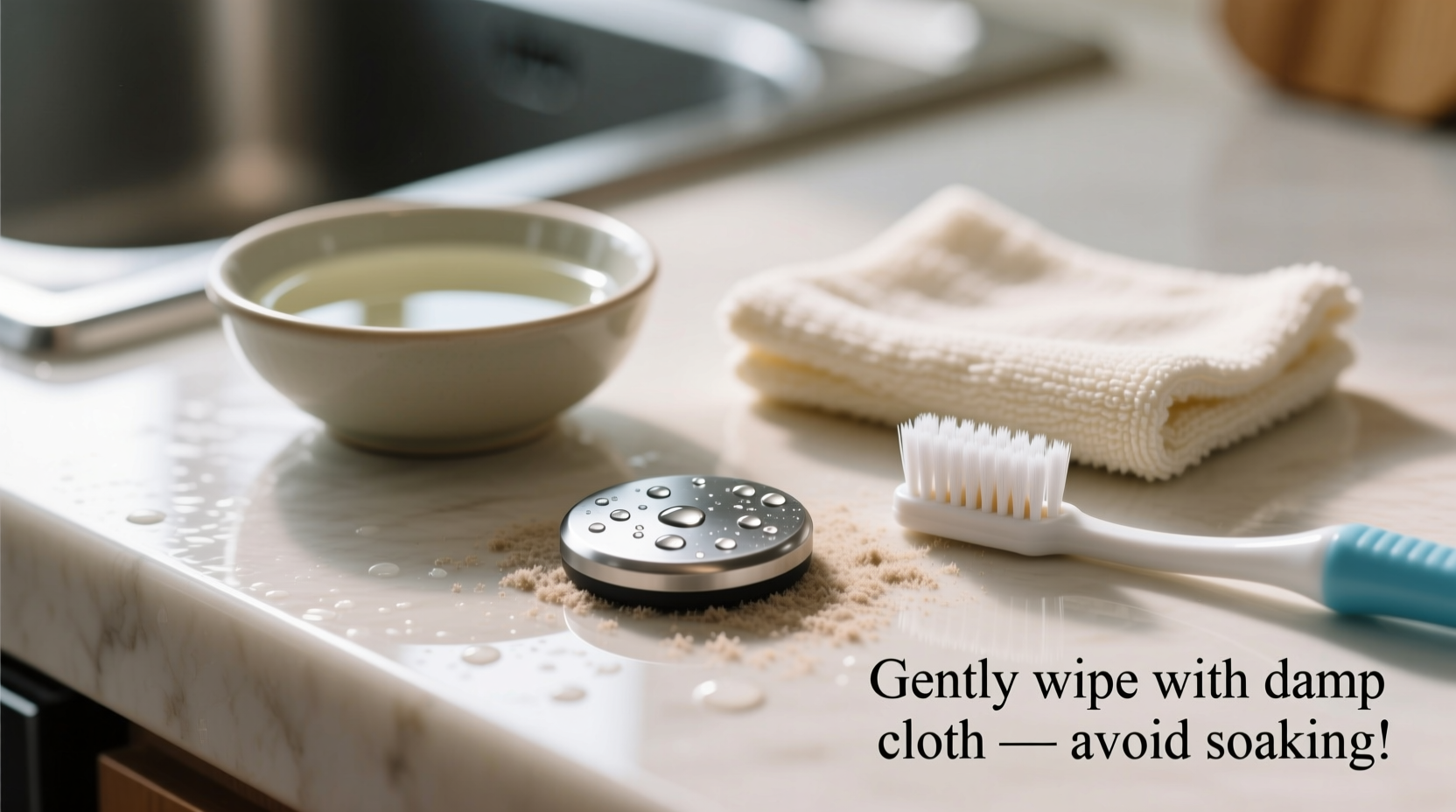
- Prepare a mild cleaning solution: Mix a few drops of pH-neutral dish soap (like baby shampoo or castile soap) into a bowl of lukewarm water. Avoid hot water, which can cause thermal shock in thick resin pieces.
- Soak briefly (if needed): For heavily soiled magnets, submerge for no more than 5 minutes. Never soak for extended periods, especially if the seal between resin and magnet is uncertain.
- Clean gently: Dip a soft sponge or cotton pad into the solution. Wipe the surface using light pressure. For crevices or textured areas, use a soft-bristled toothbrush (unused).
- Rinse carefully: Dampen a second microfiber cloth with clean water and wipe off all soap residue. Do not rinse under running water unless you’re certain the magnet is fully sealed.
- Dry thoroughly: Pat dry with a lint-free cloth, then air-dry face-up on a clean towel for at least 30 minutes before reattaching to the fridge.
Do’s and Don’ts: Maintaining Resin Magnet Integrity
| Do’s | Don’ts |
|---|---|
| Use microfiber cloths for wiping | Use paper towels or rough sponges |
| Clean monthly for high-touch magnets | Wait until grime builds up visibly |
| Store spare magnets in a dry container | Leave them near stovetops or sinks long-term |
| Use isopropyl alcohol (70%) sparingly for sticky residue | Soak in alcohol or acetone-based cleaners |
| Inspect for cracks or lifting edges regularly | Submerge cracked or peeling magnets |
Real Example: Reviving a Collection of Handmade Magnets
Sarah, a teacher from Portland, received a set of resin magnets made by her students using embedded dried flowers and handwritten notes. Over two years, they gathered kitchen grease and lost their shine. After researching safe methods, she cleaned them one at a time using a drop of Dawn dish soap in warm water, a soft toothbrush, and careful drying. She avoided bleach wipes she’d previously used on other surfaces. The result? Her magnets regained their luster without harming the delicate botanical inclusions. “I was afraid I’d ruin them,” she said, “but going slow and gentle made all the difference.”
Alternative Cleaning Methods for Stubborn Residue
In cases where fingerprints, adhesive marks, or oily film persist after standard washing, consider these alternatives—with caution:
- Isopropyl Alcohol (70%): Apply a small amount to a cotton swab and dab—not rub—the affected area. Ideal for removing sticker residue or sanitizing. Never spray directly onto the magnet.
- Baking Soda Paste (for non-porous stains): Mix a tiny amount of baking soda with water to form a paste. Apply with a soft cloth using circular motions, then rinse immediately. Only use on smooth, fully cured surfaces—avoid textured or matte finishes.
- Vinegar Solution (1:1 water and white vinegar): Effective for mineral deposits or hard water spots. Limit exposure to under one minute and rinse thoroughly. Not recommended for magnets with metallic embellishments due to corrosion risk.
Preventative Maintenance Checklist
To reduce the need for frequent deep cleaning, follow this simple routine:
- Wipe magnets monthly with a dry microfiber cloth
- Keep away from direct heat sources like ovens or dishwashers
- Avoid stacking magnets haphazardly, which can cause scratches
- Inspect seals and edges every 3–6 months for signs of wear
- Rotate display magnets to minimize UV exposure from windows
- Never use abrasive cleaners like Comet, Bar Keepers Friend, or magic erasers
- Sanitize occasionally with a damp cloth moistened with diluted rubbing alcohol (then dry immediately)
Frequently Asked Questions
Can I put resin magnets in the dishwasher?
No. Dishwashers expose resin to high heat, strong detergents, and mechanical agitation, all of which can cause clouding, cracking, or delamination. Hand-washing with mild soap is the only recommended method.
Why is my resin magnet turning cloudy after cleaning?
Cloudiness usually results from using harsh chemicals, micro-scratches from rough cloths, or residual moisture trapped under poorly sealed edges. Always use soft materials and ensure complete drying. Once clouded, restoration may require professional polishing.
How do I remove a stain without damaging the color?
Start with the gentlest method: soapy water and a soft cloth. If the stain persists, try a cotton swab with 70% isopropyl alcohol. Avoid scrubbing. For organic stains (like food), act quickly—delayed cleaning increases the risk of permanent marking.
Conclusion: Preserve Beauty and Function with Care
Resin fridge magnets blend artistry and utility, often carrying emotional or aesthetic significance. Treating them with care during cleaning ensures they remain vibrant and intact for years. By avoiding aggressive chemicals, understanding material limits, and adopting a consistent yet gentle maintenance routine, you protect both their visual appeal and structural integrity.
Whether your magnets are souvenirs, handmade treasures, or practical organizers, they deserve thoughtful upkeep. Start today by assessing your current cleaning habits—and make the switch to safer, smarter practices.




 浙公网安备
33010002000092号
浙公网安备
33010002000092号 浙B2-20120091-4
Comments
No comments yet. Why don't you start the discussion?