
A diamond watch is more than a timepiece—it’s a symbol of precision, elegance, and often, significant value. Whether it's an heirloom or a recent luxury purchase, maintaining its sparkle requires care that balances effectiveness with safety. Over time, dirt, oils, and everyday wear can dull the brilliance of both the diamonds and the metal components. While cleaning may seem straightforward, improper techniques can scratch surfaces, loosen settings, or compromise water resistance. The goal is not just cleanliness, but preservation of integrity and luster.
Cleaning a diamond watch at home is entirely possible with the right tools and approach. However, understanding the materials involved—such as gold, platinum, stainless steel, sapphire crystal, and gemstone settings—is crucial. This guide provides detailed, field-tested methods to safely restore your watch’s radiance without risking damage.
Understanding Your Watch’s Composition
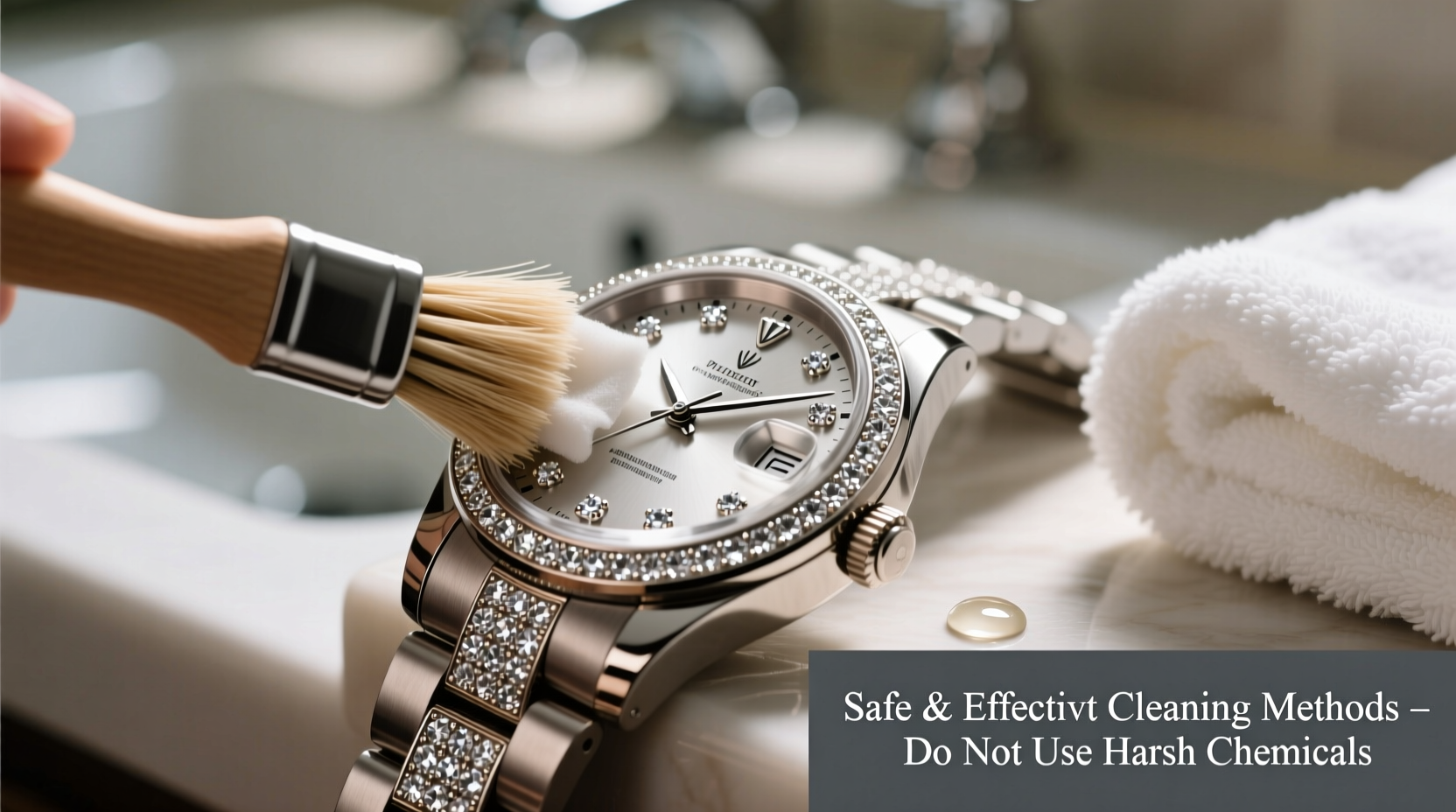
Before any cleaning begins, identify what your watch is made of. Most diamond watches feature precious metals like 18k gold or platinum, set with natural or lab-grown diamonds secured in prongs, bezels, or channel settings. The case and crystal (typically sapphire or mineral glass) also influence how you should proceed. Water-resistant models can tolerate mild moisture, but vintage or mechanically sensitive pieces may require dry-only methods.
Diamonds themselves are highly durable (ranking 10 on the Mohs hardness scale), but the surrounding materials are not immune to abrasion or chemical corrosion. Harsh cleaners like bleach, ammonia-based solutions, or abrasive cloths can erode metal finishes and weaken prongs over time. Even ultrasonic cleaners, while effective, can be risky for older settings where metal fatigue might already exist.
Step-by-Step Cleaning Process for Diamond Watches
The following six-step method is designed for modern, water-resistant diamond watches. If your timepiece is antique, has known mechanical issues, or lacks water resistance, consult a professional instead.
- Remove the watch from your wrist and place it on a soft, lint-free cloth. Avoid sinks or hard surfaces where it could roll or be exposed to strong water pressure.
- Prepare a gentle cleaning solution: Mix a few drops of mild dish soap (phosphate-free and non-abrasive) into a bowl of lukewarm water. Do not use hot water, as thermal shock can affect seals and lubricants.
- Soak for 3–5 minutes. This loosens surface grime and oils around the diamond settings and bracelet links.
- Clean with a soft-bristled brush. Use a dedicated jewelry brush or a clean, soft toothbrush (never shared with oral hygiene). Gently brush around each diamond setting, the crown, and between bracelet links. Focus on areas where debris accumulates, but apply minimal pressure.
- Rinse under warm running water (only if water-resistant to at least 30 meters). Hold the watch securely and avoid direct spray on the crown. For non-water-resistant models, skip rinsing; instead, wipe with a damp cloth.
- Dry thoroughly with a microfiber cloth. Allow air drying for 5–10 minutes before wearing or storing.
This process removes daily buildup without stressing delicate components. Repeat every 2–4 weeks depending on wear frequency.
Do’s and Don’ts When Cleaning Diamond Watches
| Do’s | Don’ts |
|---|---|
| Use mild, pH-neutral soaps | Use bleach, chlorine, or acetone |
| Clean with soft-bristle brushes | Scrub aggressively or use metal tools |
| Dry completely before storage | Store while damp (risk of tarnish) |
| Inspect settings regularly for looseness | Ignore wobbly stones or bent prongs |
| Service mechanically every 3–5 years | Submerge non-water-resistant watches |
When to Seek Professional Help
While routine maintenance can be done at home, certain situations demand expert intervention. Jewelers and authorized service centers have specialized equipment such as steam cleaners, high-magnification loupes, and ultrasonic baths calibrated for fine watches. They can also test water resistance, tighten loose settings, and polish metal without removing protective finishes.
“Even the most careful home cleaning can't replace a professional inspection. We recommend having diamond-set watches evaluated annually for structural integrity.” — Daniel Reeves, Master Watchmaker at Geneva Time Restorations
Signs you should visit a professional include visible movement in a diamond, discoloration of metal, fogging under the crystal, or any mechanical irregularities like inconsistent timekeeping.
Real-World Example: A Cautionary Tale
Sarah, a marketing executive in Chicago, loved wearing her diamond-accented Rolex daily. After noticing reduced sparkle, she decided to clean it using a store-bought jewelry dip containing ammonia. Within days, the white gold bezel began showing signs of pitting, and one small diamond became loose. A jeweler confirmed that the chemical had corroded the metal and weakened the setting. The repair cost exceeded $400. Sarah now follows a gentle manual cleaning routine and schedules biannual checkups—a small investment compared to potential losses.
This case illustrates how seemingly quick fixes can lead to expensive consequences. Respecting material limitations is essential.
Essential Care Checklist
- ✔ Clean every 2–4 weeks using mild soap and soft brush
- ✔ Inspect diamonds for looseness monthly
- ✔ Avoid exposure to chemicals (chlorine, perfume, solvents)
- ✔ Store separately in a padded box or soft pouch
- ✔ Schedule professional servicing every 3–5 years
- ✔ Verify water resistance rating before wet cleaning
Frequently Asked Questions
Can I use an ultrasonic cleaner on my diamond watch?
Only if the watch is modern, structurally sound, and the manufacturer approves it. Ultrasonic vibrations can dislodge stones in older or worn settings. When in doubt, skip this method and opt for manual brushing.
Why does my diamond watch look cloudy after cleaning?
Cloudiness may result from residual soap film or internal moisture. Ensure thorough rinsing and drying. If haze persists beneath the crystal, moisture may have entered the case—seek immediate professional evaluation.
How do I clean a diamond watch with a leather strap?
Never submerge leather. Instead, wipe the strap gently with a slightly damp cloth and allow it to air dry away from heat. Clean only the metal and crystal components using the standard method, shielding the strap from moisture.
Preserve Brilliance Through Mindful Maintenance
A diamond watch earns its place among life’s finer possessions through timeless beauty and craftsmanship. Its longevity depends not on rarity alone, but on consistent, intelligent care. By adopting safe cleaning habits, recognizing the limits of DIY methods, and respecting the engineering behind each component, you protect both aesthetic appeal and functional reliability.
Start today: inspect your watch under good light, gather the proper tools, and follow the steps outlined here. Small efforts compound into lasting value. Share your experience or ask questions in the comments—your journey in preserving excellence begins now.




 浙公网安备
33010002000092号
浙公网安备
33010002000092号 浙B2-20120091-4
Comments
No comments yet. Why don't you start the discussion?