
Skin tags are common in dogs, especially as they age. These small, benign growths typically appear on the neck, chest, or underarms and are usually harmless. However, if a skin tag becomes irritated, starts bleeding, or grows rapidly, pet owners often consider removal. While veterinary clinics offer safe surgical options, some turn to home remedies—particularly the thread method—due to cost or convenience. This article examines whether tying off a dog’s skin tag with thread is safe, how it works, and what precautions must be taken.
Understanding Canine Skin Tags
Skin tags, or acrochordons, are soft, flesh-colored growths that hang from the skin by a narrow stalk. They are non-cancerous and generally painless. Certain breeds like Boxers, Cocker Spaniels, and Poodles are more prone to them, especially after the age of five. While most require no treatment, removal may be considered if the tag is frequently snagged on collars, furniture, or during grooming.
It's crucial to confirm the growth is actually a skin tag. Other conditions such as warts, histiocytomas, or even malignant tumors can resemble skin tags. A veterinarian should always perform an initial assessment before any at-home intervention.
“Never assume a growth is benign based on appearance alone. A quick vet check can rule out serious conditions.” — Dr. Laura Simmons, DVM, Small Animal Dermatology Specialist
The Thread Ligation Method: How It Works
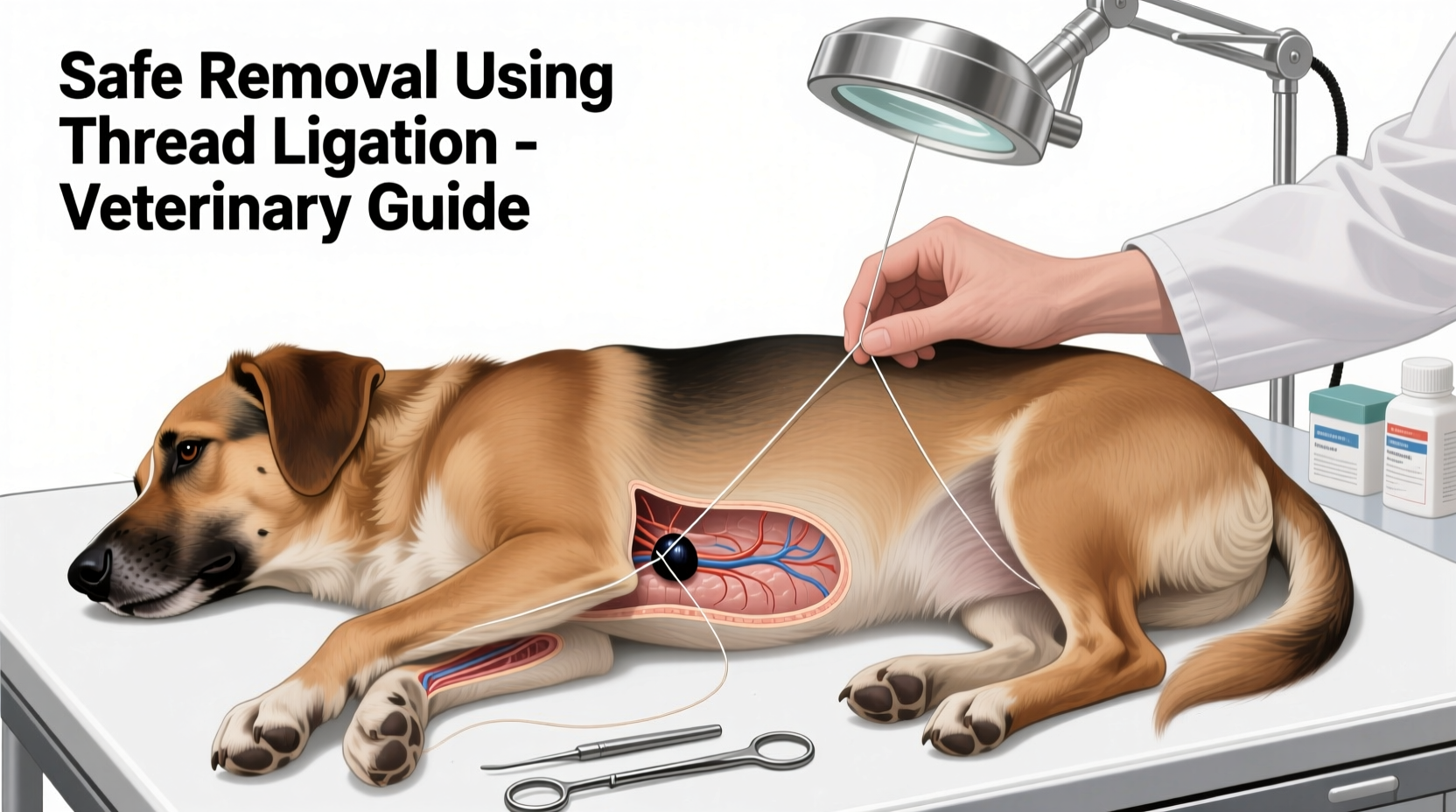
Thread ligation involves tightly tying a sterile piece of thread around the base of the skin tag to cut off its blood supply. Over several days, the tissue dies and eventually falls off. This method mimics a medical procedure called “ligation,” used in clinical settings under controlled conditions.
While the concept is simple, execution requires precision and hygiene. Improper technique can lead to infection, excessive bleeding, or unnecessary pain for the dog.
Step-by-Step Guide to Safe Thread Ligation
- Confirm the growth is a skin tag – Consult your vet via photo or in-person exam.
- Gather supplies – Use sterilized scissors, antiseptic wipes, cotton balls, and absorbable or silk suture thread (or strong dental floss as a last resort).
- Clean the area – Wipe the skin tag and surrounding skin with a vet-approved antiseptic.
- Restrain your dog gently – Enlist help to hold your dog still without causing stress.
- Tie the thread tightly – Loop the thread around the base of the stalk and tie a secure double knot. The tag should begin to darken within 24–48 hours.
- Monitor daily – Watch for signs of infection, swelling, or discomfort. The tag typically detaches in 5–7 days.
- Remove the thread – Once the tag falls off, clean the site again and keep it dry.
Risks and When to Avoid the Thread Method
Despite anecdotal success stories, thread ligation carries significant risks if not done correctly. The following situations make this method unsafe:
- The growth is large (over 1 cm)
- It bleeds easily or has a wide base
- Your dog is prone to licking or biting the area
- The tag is located near sensitive areas (eyes, mouth, genitals)
- You cannot keep the dog calm during or after the procedure
Infection is a major concern. Open wounds from detached tags can become breeding grounds for bacteria, especially if licked. Additionally, incomplete blood cutoff may result in partial necrosis, leading to prolonged healing and discomfort.
Do’s and Don’ts of Home Skin Tag Removal
| Do’s | Don’ts |
|---|---|
| Consult your vet before attempting removal | Use unsterilized tools or thread |
| Use fine, strong thread designed for medical use | Tie the thread too loosely or too high on the tag |
| Keep the area clean post-procedure | Allow your dog to lick or scratch the site |
| Monitor for redness, pus, or swelling | Attempt removal on flat or pigmented growths |
| Seek immediate vet care if complications arise | Ignore persistent bleeding or foul odor |
Real-Life Example: Bella the Beagle
Bella, a 7-year-old Beagle, developed a small skin tag on her neck that caught on her collar during walks. Her owner, Mark, noticed it was growing slightly and occasionally bled. After sending a photo to his vet, he was told it looked benign but recommended professional removal.
Due to financial constraints, Mark opted for the thread method. He followed online guidance, used sterile thread, and tied it securely at the base. Within three days, the tag turned black and shriveled. By day six, it fell off. Mark kept the area clean and used a cone to prevent licking. There were no complications, and the vet later confirmed full healing during a routine check-up.
While Bella’s case ended well, the vet emphasized that outcomes aren’t guaranteed. “One wrong move could have led to infection or required emergency surgery,” he noted.
When to See a Veterinarian
Professional removal remains the safest option. Vets can excise the tag under local anesthesia, cauterize the site, and send the tissue for biopsy if needed. This ensures complete removal and rules out malignancy.
Situations requiring immediate veterinary attention include:
- Sudden changes in size, color, or texture
- Bleeding that won’t stop
- Signs of pain when touched
- Multiple new growths appearing rapidly
Veterinary procedures typically cost between $100–$300 depending on location and complexity, but many clinics offer low-cost wellness packages that include minor mass removal.
Frequently Asked Questions
Can I use regular thread or dental floss?
While dental floss is stronger than regular thread, medical-grade suture material is ideal. If unavailable, unwaxed dental floss is acceptable—but must be sterilized first by boiling for 5 minutes.
How long does it take for the tag to fall off?
Most skin tags detach within 5 to 7 days after successful ligation. If no change occurs after a week, the blood flow may not be fully cut off, and retying may be necessary—though this increases risk.
Is it painful for my dog?
The base of a skin tag has minimal nerve endings, so tying it isn’t typically painful. However, inflammation or infection afterward can cause discomfort. Monitor your dog closely for signs of distress.
Final Checklist Before Attempting Thread Removal
- ✅ Vet has confirmed it’s a benign skin tag
- ✅ Growth is small (under 1 cm) and on a narrow stalk
- ✅ You have sterile tools and thread
- ✅ Your dog can be safely restrained
- ✅ You’re prepared to monitor for 7+ days
- ✅ An Elizabethan collar is available to prevent licking
Conclusion
Removing a skin tag from your dog using thread is a method steeped in tradition and occasional success, but it is not without risk. While it may seem like a cost-effective solution, the potential for infection, improper identification, or complications makes veterinary consultation essential. When performed correctly and only on appropriate growths, thread ligation can work—but it should never replace professional care when in doubt.
Your dog’s health is worth more than a shortcut. Take the time to consult a vet, understand the risks, and act responsibly. If you’ve had experience with this method—good or bad—share your story to help other pet owners make informed decisions.




 浙公网安备
33010002000092号
浙公网安备
33010002000092号 浙B2-20120091-4
Comments
No comments yet. Why don't you start the discussion?