
Dental veneers are a popular cosmetic solution for achieving a bright, uniform smile. Whether made from porcelain or composite resin, they offer long-lasting aesthetic benefits—but only when properly maintained. One of the most overlooked aspects of veneer care is oral hygiene, particularly the choice of toothpaste. Using an abrasive or chemically harsh product can dull the surface, erode margins, or even compromise the bond between the veneer and natural tooth. Selecting the right toothpaste isn’t just about freshness; it’s about preserving both function and appearance.
Understanding Veneer Materials and Their Vulnerabilities
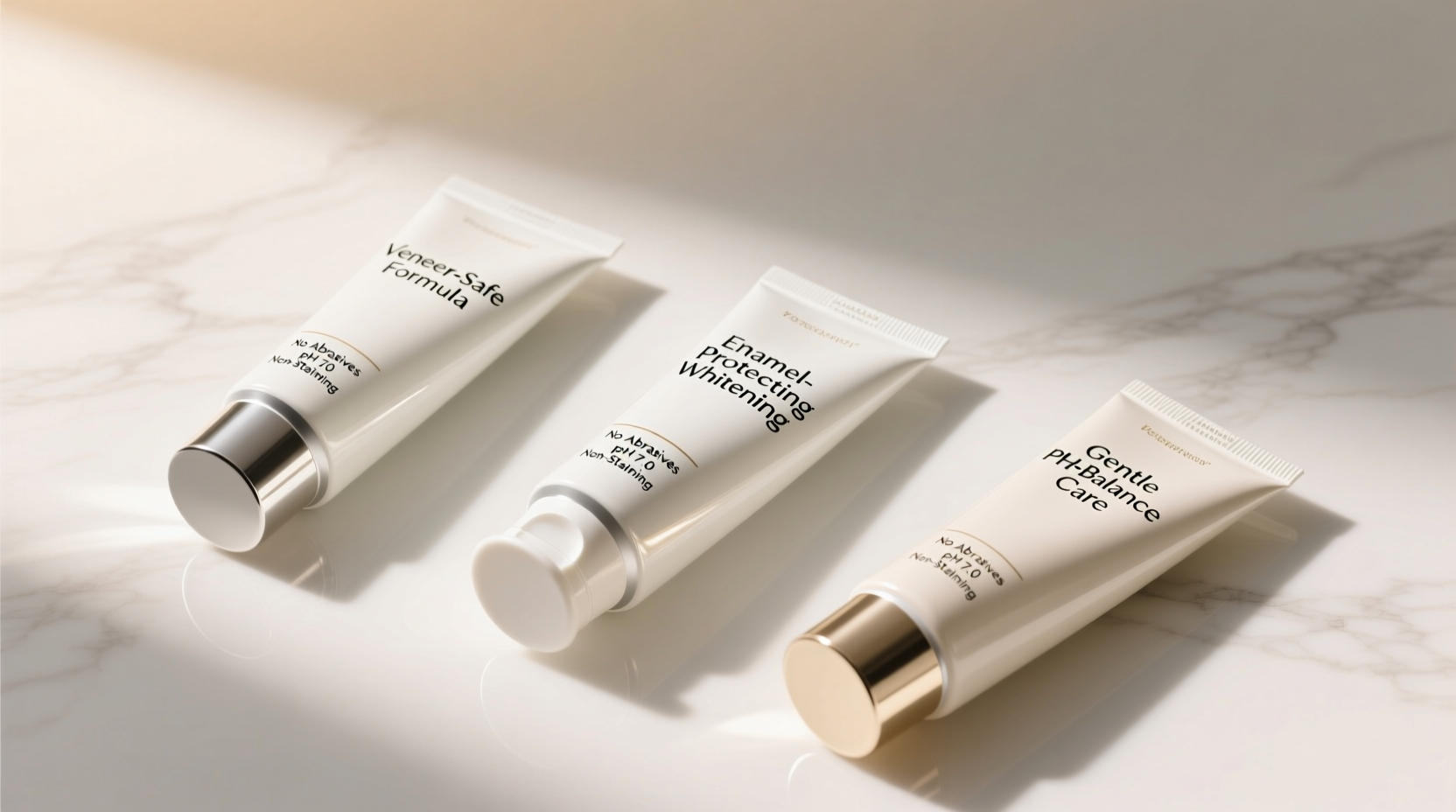
Veneers are thin shells bonded to the front surfaces of teeth to correct discoloration, chips, gaps, or misalignment. Porcelain veneers are more durable and stain-resistant, while composite veneers are less expensive but more prone to wear. Despite their strength, both types have specific vulnerabilities:
- Porcelain veneers resist staining but can be scratched by overly abrasive toothpastes.
- Composite veneers are softer and more susceptible to abrasion and chemical degradation.
- The margins (edges where the veneer meets the tooth) are especially sensitive to rough brushing and harsh ingredients.
Because veneers don’t regenerate like natural enamel, any damage is permanent and may require replacement. This makes preventive care essential—and toothpaste selection a critical component of daily maintenance.
Key Ingredients to Avoid in Toothpaste
Not all toothpastes are created equal, and many common ingredients can silently harm veneers over time. Awareness of what to avoid is the first step toward protection.
Abrasive Agents
Ingredients like hydrated silica, calcium carbonate, and baking soda are used for whitening but can scratch the surface of veneers, especially with frequent use. While mild abrasives are acceptable, excessive levels lead to micro-scratches that dull shine and trap stains.
Strong Whitening Formulas
Toothpastes labeled “whitening” often contain peroxides or high-abrasion compounds designed to remove surface stains from natural teeth. These do not whiten veneers and instead degrade their finish. Over time, this creates a mismatch between the veneered and natural teeth, undermining the aesthetic goal.
Acidic Components
Certain flavorings or cleaning agents can lower pH, increasing acidity. Acidic environments weaken bonding agents and may cause marginal leakage, allowing bacteria to seep under the veneer—a precursor to decay and debonding.
“Patients with veneers should avoid ‘extra-strength’ whitening pastes. They’re unnecessary and often damaging. A gentle, non-abrasive formula preserves both the restoration and surrounding gum tissue.” — Dr. Lena Torres, Cosmetic Dentist and Prosthodontist
Recommended Toothpaste Characteristics for Veneer Wearers
The ideal toothpaste for veneer maintenance balances safety, effectiveness, and compatibility with restorative materials. Look for these key features:
| Feature | Why It Matters | Examples |
|---|---|---|
| Low RDA (<70) | Minimizes scratching on porcelain and composite | Sensodyne Pronamel, Biotene Fresh Mint |
| Fluoride content | Protects underlying natural tooth structure from decay | Colgate Enamel Health, Crest Pro-Health |
| Neutral pH | Prevents erosion of bonding cement and gum irritation | Tom’s of Maine Fluoride-Free (if fluoride-sensitive) |
| No strong whitening agents | Avoids surface degradation without benefit to veneers | Avoid: Crest 3D White, Colgate Optic White |
| Hydrated silica (low concentration) | Gentle cleaning without excessive abrasion | Check ingredient list for position—lower = less) |
For those with sensitive teeth beneath veneers, desensitizing toothpastes containing potassium nitrate (like Sensodyne) are safe and beneficial—as long as they meet the low-abrasion criteria.
Step-by-Step Guide to Choosing and Using Toothpaste with Veneers
Making the right choice involves more than reading labels. Follow this timeline to ensure optimal care:
- Week 1: Evaluate your current toothpaste. Check the ingredients and RDA if available. If it contains peroxide or lists abrasive agents near the top, phase it out.
- Week 2: Research and select a low-abrasion, fluoride-containing option. Consult your dentist for brand recommendations tailored to your case.
- Week 3: Transition gradually. Mix small amounts of the new paste with your old one to adjust taste and texture, then switch fully.
- Ongoing: Use a soft-bristled toothbrush and non-aggressive technique. Brush in circular motions, avoiding lateral scrubbing at the gumline.
- Every 6 months: Reassess with your dentist. Have your veneers examined for signs of wear, staining, or margin integrity.
Real-Life Example: Sarah’s Veneer Maintenance Journey
Sarah, a 38-year-old marketing executive, invested in porcelain veneers to correct years of tetracycline staining. Initially thrilled with her results, she began noticing a subtle dullness after 18 months. During a routine checkup, her dentist identified fine scratches along the surface—caused by her favorite “brightening” toothpaste with baking soda and activated charcoal.
She switched to a low-RDA, fluoride-rich formula and adopted a soft-bristle brush. Within six months, her veneers regained their luster during polishing at her dental visit. More importantly, the margins remained sealed, and no further deterioration occurred. Sarah now checks every oral care product label and consults her dentist before trying anything new.
Essential Care Checklist for Veneer Longevity
Use this checklist daily and monthly to protect your investment:
- ✅ Use a soft or extra-soft bristled toothbrush
- ✅ Choose toothpaste with RDA < 70
- ✅ Avoid whitening, tartar control, or smoker’s formulas
- ✅ Brush gently for two minutes, twice daily
- ✅ Floss or use interdental brushes daily
- ✅ Rinse after consuming acidic foods/drinks (e.g., citrus, wine)
- ✅ Attend biannual dental cleanings and exams
- ✅ Avoid using teeth as tools (opening packages, biting nails)
- ✅ Consider a night guard if you grind your teeth
Frequently Asked Questions
Can I use electric toothbrushes with veneers?
Yes, but use a model with pressure sensors and a soft brush head. Set it to gentle mode and avoid pressing hard. Electric brushes can improve plaque removal when used correctly, but excessive force can still damage margins.
Is fluoride safe for veneers?
Absolutely. Fluoride does not affect porcelain or composite materials but strengthens the underlying natural tooth, reducing the risk of decay at the edges. Fluoride is highly recommended unless contraindicated by your dentist.
Do natural or charcoal toothpastes work for veneers?
Most do not. Many “natural” brands use baking soda, bentonite clay, or activated charcoal—all of which are abrasive. Unless clinically tested and labeled low-RDA, avoid them. Look for ADA-approved products whenever possible.
Protect Your Smile with Informed Choices
Your veneers represent both a financial and emotional investment in your confidence and appearance. The toothpaste you use every morning plays a quiet but powerful role in how long they last and how great they look. By choosing low-abrasion, non-whitening, fluoride-containing formulas and combining them with proper brushing techniques, you preserve not just the surface, but the structural integrity of your entire restoration.
Dental advancements continue to improve aesthetics and durability, but no veneer is immune to poor maintenance. Take control today—read labels, ask your dentist for guidance, and make your routine a ritual of protection.




 浙公网安备
33010002000092号
浙公网安备
33010002000092号 浙B2-20120091-4
Comments
No comments yet. Why don't you start the discussion?