
For many children, wearing an Iron Man helmet isn’t just play—it’s stepping into the role of a hero. With its glowing lights, voice effects, and futuristic design, the helmet captures imagination and fuels hours of imaginative adventure. However, as with any toy that involves electronics, wearables, or immersive experiences, safety and moderation are essential. Parents who want their kids to enjoy this popular Marvel-inspired gear must balance excitement with responsibility. This guide offers practical advice on choosing, using, and supervising Iron Man helmet play to ensure it remains both safe and truly fun.
Understanding the Appeal—and the Risks
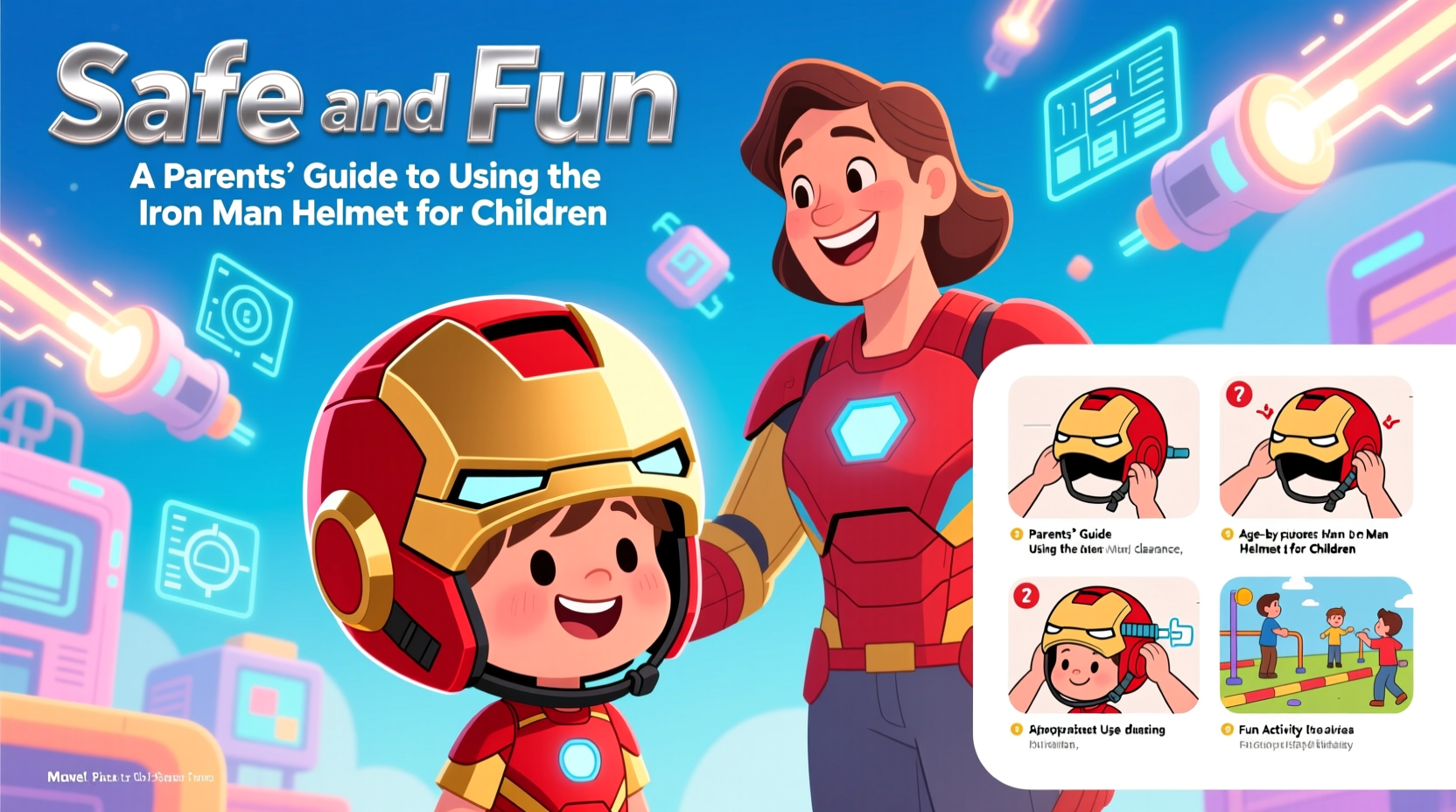
The Iron Man helmet, especially licensed models from major toy manufacturers, is engineered to mimic Tony Stark’s iconic suit. Many versions include working LED eyes, sound effects, Bluetooth connectivity, and even app-controlled features. These elements make the helmet highly engaging, but they also introduce potential concerns: overheating, distraction, prolonged screen exposure (if paired with apps), and physical hazards like restricted vision or hearing.
Children may become so immersed in character that they forget their surroundings. A child pretending to fly or blast enemies might run into furniture, trip on rugs, or fail to hear a parent’s warning. Additionally, cheaper or unlicensed helmets may lack proper safety certifications, use substandard materials, or have sharp internal edges.
“Imaginative play is crucial for cognitive development, but wearable tech for kids needs boundaries. The key is engagement without overstimulation.” — Dr. Lena Reyes, Child Development Specialist
Choosing the Right Helmet: Safety First
Not all Iron Man helmets are created equal. Before purchasing, evaluate build quality, compliance standards, and age appropriateness. Look for these indicators:
- FCC and CE certification for electronic components
- ASTM F963 or similar toy safety standards
- BPA-free, non-toxic plastics
- Adjustable straps and padded interiors
- Ventilation to prevent overheating
Comparison: Features to Look For vs. Red Flags
| Recommended Features | Risk Indicators |
|---|---|
| Adjustable fit for growing heads | One-size-fits-all, rigid interior |
| Soft, cushioned lining | Exposed screws or rough seams |
| Low-decibel audio options | No volume control or ear protection |
| Energy-efficient LED lighting | Battery compartments that open easily |
| Clear forward visibility | Oversized design blocking peripheral vision |
Setting Healthy Playtime Limits
Even safe helmets should not be worn for extended periods. Children’s skulls are still developing, and continuous pressure from headgear—even light plastic—can cause discomfort or skin irritation. Moreover, immersive play can delay responses to real-world stimuli, increasing accident risk.
Establish clear rules about when and how long the helmet can be used. Think of it like screen time: fun in moderation, with built-in breaks.
Step-by-Step: Creating a Helmet Use Schedule
- Set a daily maximum: Start with 20–30 minutes per session, no more than twice a day.
- Define safe zones: Only allow helmet use in open, obstacle-free areas like a cleared living room or backyard.
- Require check-ins: Every 10 minutes, the child must remove the helmet, hydrate, and respond to a verbal question (“What’s your name? Where are you?”) to reorient.
- Enforce cooldown periods: After each session, the helmet goes back on a stand or in a bin for at least an hour.
- Monitor behavior: If the child seems disoriented, irritable, or overly attached to the helmet, pause usage for a day and reassess.
Real Example: The Parker Family Experience
The Parkers bought a high-end Iron Man helmet for their 7-year-old son, Max, after he watched every Marvel movie in sequence over one summer. Initially thrilled, Max wore the helmet constantly—even during meals and homework. Within days, his teachers noted he was zoning out in class and struggling to focus. At home, he argued when asked to take it off, insisting he “had to protect the house from aliens.”
Concerned, the parents introduced structured helmet time: 30 minutes after finishing homework, only in the playroom. They added a visual timer and rewarded compliance with extra outdoor play. Within a week, Max adjusted. He still loved being Iron Man—but now knew when to be Max again.
Safety Checklist for Parents
Use this checklist before allowing your child to use an Iron Man helmet:
- ✅ Helmet fits snugly but comfortably—no pinching or sliding
- ✅ No exposed wires, batteries, or sharp parts inside
- ✅ Child can see clearly forward and has unobstructed hearing
- ✅ Play area is free of tripping hazards and breakable objects
- ✅ Adult is within earshot and line of sight during use
- ✅ Battery compartment is secured and inaccessible to small hands
- ✅ Helmet is cleaned weekly with a damp cloth and mild soap
- ✅ Child understands basic safety rules (e.g., no running, no climbing)
FAQ: Common Parent Questions
Can wearing an Iron Man helmet affect my child’s vision or hearing?
Occasional, supervised use is unlikely to cause harm. However, prolonged use—especially with loud audio or dimmed visibility—may strain sensory development. Always limit duration and monitor for signs of discomfort like squinting, rubbing ears, or delayed response to sounds.
Are smart helmets with apps safe for young kids?
Some helmets connect to apps offering augmented reality games or voice customization. While engaging, these often involve screen time and data collection. Review privacy policies, disable unnecessary permissions, and treat app use like any other digital activity—time-limited and co-play encouraged.
What if my child refuses to take the helmet off?
Persistent attachment may signal emotional reliance or overstimulation. Avoid power struggles. Instead, set predictable routines (“Helmet goes off when the timer rings”), offer alternative superhero activities (drawing, storytelling), and consult a child psychologist if resistance continues.
Encouraging Balanced, Creative Play
The goal isn’t to eliminate helmet play—it’s to integrate it into a broader world of creative expression. Encourage your child to design missions, build arc reactors from cardboard, or write Iron Man comics. These activities extend the fantasy while reducing dependency on the physical device.
Consider pairing helmet time with physical activity: “Fly” around the yard while avoiding “laser zones” marked by chalk. Or host a family game where everyone plays a different Avenger, promoting social interaction and teamwork.
“The best toys don’t do all the work—they spark ideas. When a helmet inspires a story, a drawing, or a backyard battle plan, it’s doing its job.” — Marcus Tran, Educational Toy Designer
Final Thoughts: Fun That Feels Safe
An Iron Man helmet can be more than a toy—it can be a gateway to confidence, storytelling, and active play. But like any powerful tool, it works best when guided by thoughtful limits and parental awareness. By choosing a well-built model, setting clear boundaries, and encouraging imaginative expansion beyond the headset, parents can turn a flashy gadget into a springboard for growth.




 浙公网安备
33010002000092号
浙公网安备
33010002000092号 浙B2-20120091-4
Comments
No comments yet. Why don't you start the discussion?