
In an age where smartphones are both essential tools and expensive investments, protecting them from drops, slips, and sudden impacts is more important than ever. One increasingly popular solution is the use of a phone case equipped with a lanyard attachment. Whether you're commuting, traveling, working in dynamic environments, or simply want to keep your phone within reach, a lanyard can offer peace of mind. However, improper use can lead to strain on the device, discomfort, or even safety hazards. This guide delivers actionable, tested advice to help you use a lanyard-equipped phone case safely and efficiently.
Why Lanyard-Compatible Phone Cases Are Gaining Popularity
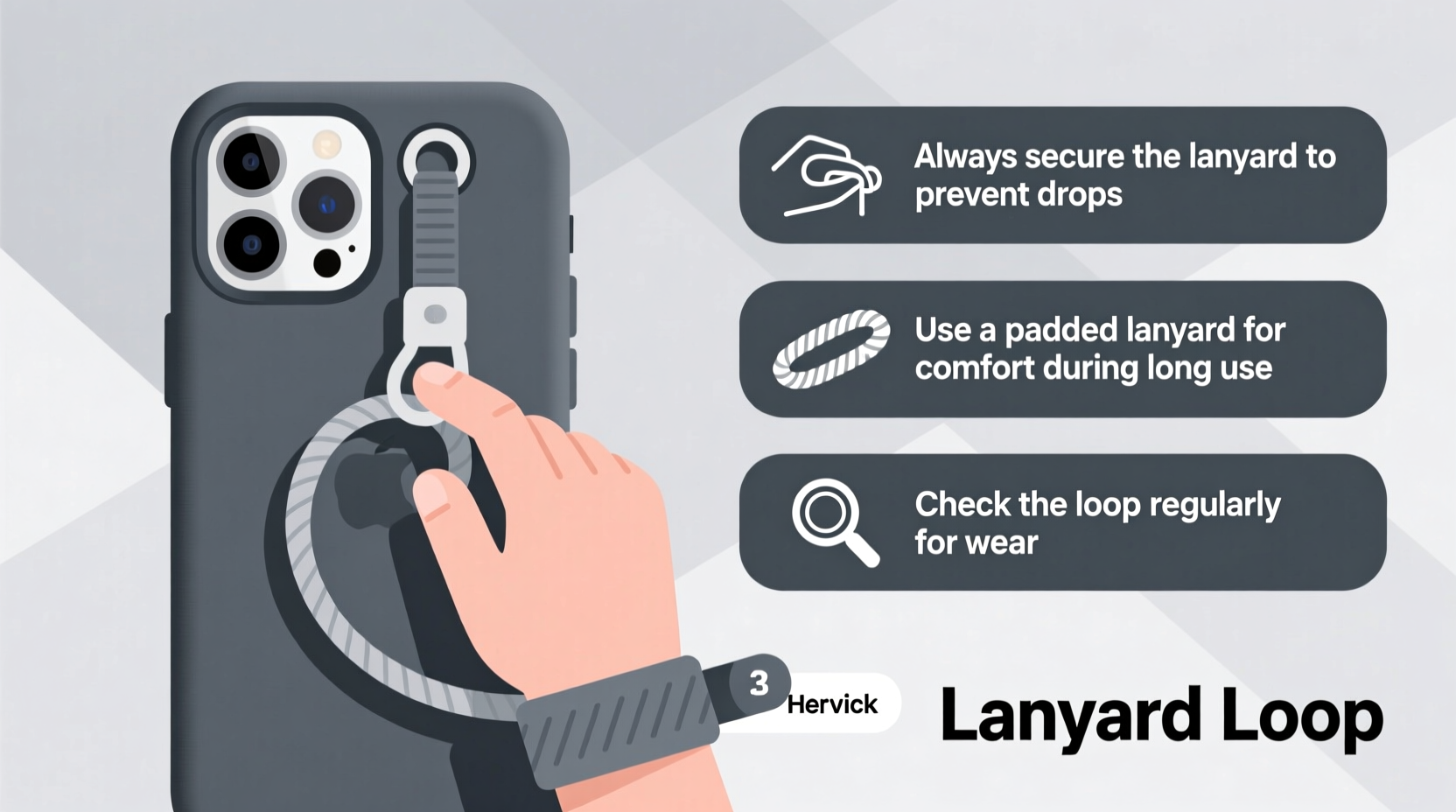
Lanyards were once limited to ID badges and event passes, but their utility has expanded into everyday tech accessories. From warehouse workers and healthcare professionals to travelers and parents, people across demographics are adopting lanyard-connected phone cases for convenience and security. The primary benefit lies in reducing the risk of accidental drops—especially in high-movement situations. Additionally, having your phone suspended around your neck or over your shoulder frees up your hands while keeping your device instantly accessible.
However, not all lanyards and phone cases are created equal. Some designs place stress on weak points like charging ports or camera mounts, while others use materials that degrade quickly under tension. Understanding how to choose and use these accessories properly ensures both device safety and user comfort.
Choosing the Right Phone Case and Lanyard Combination
The foundation of safe lanyard use begins with selecting compatible, well-engineered components. A poorly designed case may feature flimsy anchor points that break under minimal pressure. Similarly, low-quality lanyards made from elastic or thin cord can snap unexpectedly.
Ideally, opt for rugged cases specifically marketed as “lanyard-ready” or “tactical.” These often include built-in slots or holes engineered to handle constant tension. Avoid cases that rely solely on the volume or power button openings for lanyard threading, as this can loosen internal components over time.
For the lanyard itself, prioritize flat nylon webbing or braided polyester straps. These materials resist fraying, stretching, and moisture damage. Adjustable length is another key feature—being able to customize the drop height reduces neck strain and prevents the phone from swinging excessively during movement.
Do’s and Don’ts When Selecting Your Setup
| Action | Recommendation |
|---|---|
| Do | Choose cases with dedicated lanyard ports away from buttons and ports |
| Do | Use lanyards with secure locking clasps (e.g., carabiner or lobster clasp) |
| Don’t | Thread lanyards through headphone jacks or fragile plastic tabs |
| Don’t | Use stretchy cords that increase swing momentum |
| Do | Inspect hardware monthly for signs of wear or deformation |
Step-by-Step Guide to Proper Lanyard Attachment and Adjustment
Even the best equipment fails if used incorrectly. Follow this sequence to ensure your lanyard setup remains secure and functional.
- Inspect the case: Confirm it has designated lanyard attachment points. If unsure, consult the manufacturer’s specifications.
- Cut or adjust the lanyard: Aim for a length where the phone rests between mid-chest and waist level when worn around the neck. This minimizes strain and keeps the device visible.
- Attach securely: Loop the lanyard through both side ports (if available) to distribute weight evenly. Use a knot or clasp that won’t slip under load.
- Test tension: Gently tug the phone downward to simulate a drop. The connection should hold firm without twisting the case.
- Wear and monitor: Use the setup for short periods initially. Check for rubbing, chafing, or unusual stress after each use.
Avoiding Common Safety Hazards
While lanyards enhance accessibility, they introduce potential risks if overlooked. One major concern is entanglement—especially in crowded spaces, machinery-rich workplaces, or when engaging in physical activity. A dangling phone can catch on door handles, railings, or moving parts, leading to injury or device damage.
Another issue is prolonged neck strain. Wearing a heavy phone on a tight lanyard for hours can compress cervical nerves and cause discomfort. To mitigate this, consider cross-body wear instead of neck-only suspension, especially for larger devices.
“Many workplace injuries involving mobile devices stem not from drops, but from improper tethering methods. Always assess environmental hazards before relying on a lanyard.” — Dr. Lena Torres, Occupational Health Consultant
Additionally, never leave your phone unattended while attached to a public fixture via its lanyard. Opportunistic theft remains a real threat, and a tethered phone may be easier to snatch than one kept in a pocket or bag.
Real-World Example: How a Nurse Uses Her Lanyard Safely
Sarah, a registered nurse at a busy urban clinic, adopted a lanyard-equipped phone case to streamline patient communication during shifts. Initially, she threaded the cord through her old silicone case’s volume button slot. Within two weeks, the plastic cracked, and the phone fell during a rush, cracking the screen.
After switching to a reinforced polycarbonate case with dual metal eyelets and a padded 24-inch nylon lanyard, she adjusted her routine. She now wears the phone diagonally across her torso rather than hanging straight down, reducing bounce during fast walks. She also detaches the lanyard during breaks or when near medical equipment to avoid interference. Over six months, her phone remained intact, and she reported improved workflow efficiency.
Checklist: Safe Lanyard Usage Routine
- ✅ Verify case has strong, dedicated lanyard anchors
- ✅ Use non-stretch, abrasion-resistant lanyard material
- ✅ Adjust length so phone rests comfortably below chest level
- ✅ Inspect knots, clasps, and anchor points weekly
- ✅ Remove lanyard in high-risk zones (gyms, kitchens, industrial areas)
- ✅ Avoid wearing tightly during vigorous activity
- ✅ Store phone and lanyard together in a dry, cool place
Frequently Asked Questions
Can a lanyard damage my phone over time?
Yes, if improperly attached. Constant pulling on weak points like buttons or ports can misalign internal components or crack the casing. Always use cases designed for lanyard use and inspect regularly for wear.
Is it safe to sleep with a phone on a lanyard?
No. Even loosely worn, a lanyard poses a strangulation risk during sleep, especially on soft surfaces like beds or couches. Remove it before resting.
Are there alternatives to neck lanyards?
Yes. Wrist straps, belt clips, and cross-body sling pouches offer similar accessibility with reduced entanglement risk. Choose based on your environment and mobility needs.
Final Thoughts: Balancing Convenience and Caution
A phone case with a lanyard can be a smart addition to your daily carry—if used thoughtfully. The goal isn’t just to prevent drops, but to integrate the device into your lifestyle without introducing new risks. By selecting durable gear, attaching it correctly, and staying aware of your surroundings, you gain both freedom and protection.




 浙公网安备
33010002000092号
浙公网安备
33010002000092号 浙B2-20120091-4
Comments
No comments yet. Why don't you start the discussion?