
Fishing is more than a pastime—it’s a connection to nature, a test of patience, and for many, a way to source food responsibly. But with that privilege comes responsibility. One of the most critical moments in catch-and-release fishing is hook removal. Done incorrectly, it can cause lasting injury or even death to the fish. When done with care, it supports conservation, maintains healthy fish populations, and ensures future generations can enjoy the sport.
Whether you're a weekend angler or a seasoned pro, knowing how to safely remove a hook minimizes stress on the fish and increases survival rates post-release. This guide outlines practical, field-tested methods that prioritize fish welfare while remaining accessible to all skill levels.
Why Safe Hook Removal Matters
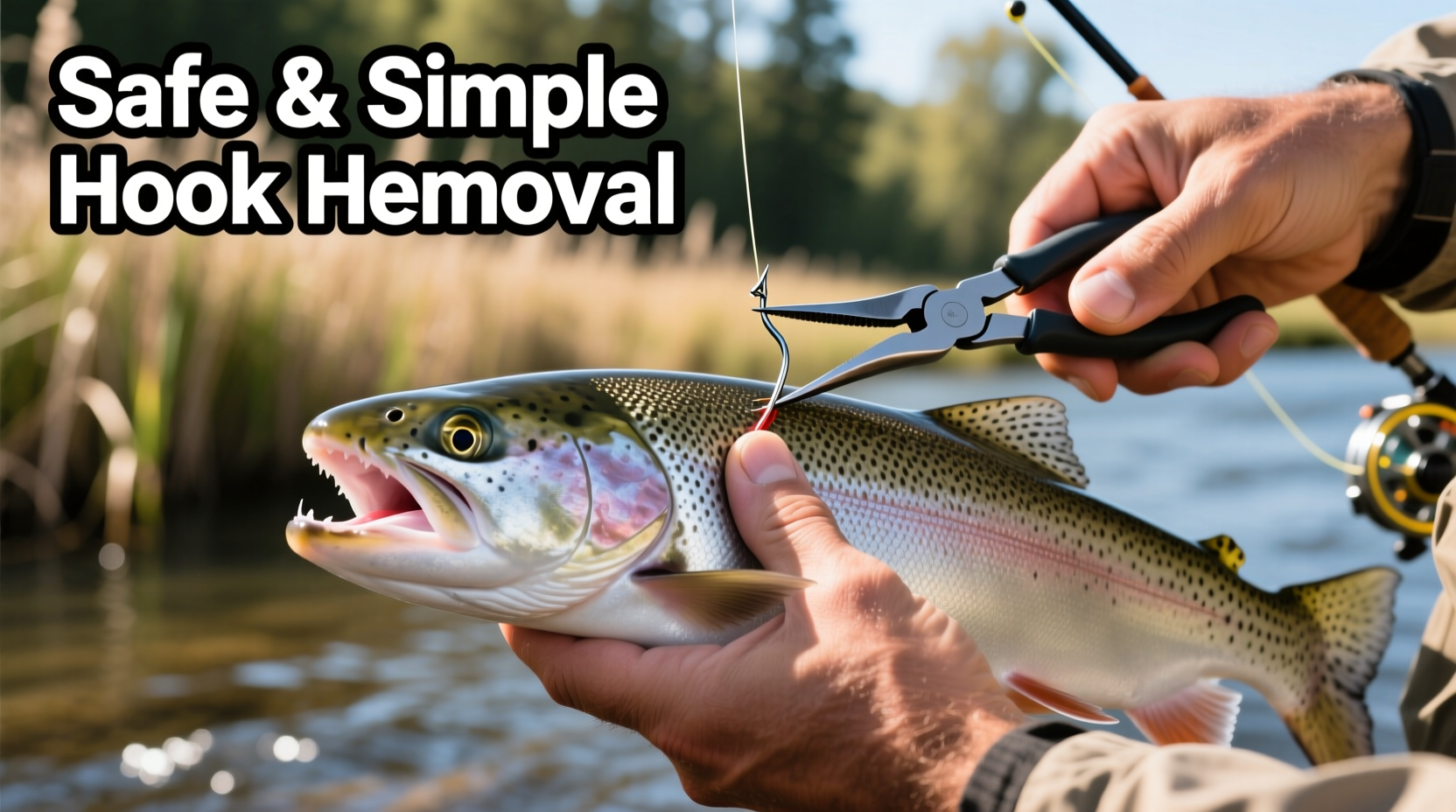
Fish are resilient, but they are not immune to trauma. A deeply embedded hook can lead to internal bleeding, infection, or impaired feeding if not removed properly—or if left behind unnecessarily. Studies by fisheries biologists show that proper handling can increase post-release survival to over 90%, whereas rough treatment drops that number significantly.
The goal isn’t just to get the hook out—it’s to do so with minimal damage, reduced air exposure, and quick recovery. Fish breathe through their gills, and time out of water disrupts oxygen exchange. Every second counts.
“Quick, gentle hook removal is one of the most impactful actions an angler can take for conservation.” — Dr. Laura Bennett, Fisheries Biologist, Alaska Department of Fish and Game
Essential Tools for Safe Hook Removal
You don’t need a full surgical kit, but having the right tools makes a major difference. These items should be part of every angler’s tackle box:
- Long-nose pliers or hemostats: Provide grip and precision, especially for deep hooks.
- Needle-nose pliers with wire cutters: Useful when cutting the hook is safer than extraction.
- Barb crimpers or needle files: For flattening barbs on future hooks to ease release.
- Gloves (non-abrasive): Improve grip and protect both you and the fish’s protective slime layer.
- Dehooking tool: Specially designed devices that allow hook removal with minimal handling.
Step-by-Step Guide to Removing Hooks Safely
Follow this sequence to maximize the fish’s chances of survival:
- Keep the fish in the water as much as possible. Support its body horizontally if you must bring it into the boat or onto shore. Never dangle it vertically by the lip.
- Calm the fish. Hold it gently facing into a slow current to help water flow over the gills.
- Assess hook depth. If the hook is shallow—caught in the lip or outer mouth—use pliers to back it out along the entry path.
- For deep hooks: If the hook is near the gills or swallowed, do not pull hard. Attempting removal can cause fatal damage. Instead, cut the line as close to the hook as possible and leave the hook in. Most non-rusting hooks will degrade over time without significant harm.
- Use controlled pressure. With pliers, rock the hook slightly to widen the hole before withdrawal. Avoid twisting violently.
- Release immediately. Once the hook is out (or the line is cut), hold the fish upright in moving water until it regains strength and swims away on its own.
When to Cut the Line vs. Remove the Hook
Not every hook needs to come out. The decision depends on location and risk:
| Hook Location | Action | Reason |
|---|---|---|
| Lip or jaw (shallow) | Remove carefully | Low risk; easy access |
| Back of throat or gill arches | Cut line near bend | High risk of internal injury |
| Deeply swallowed | Cut line; leave hook | Removal causes fatal trauma |
| Eye or brain area | Do not attempt; cut line | No survival benefit from removal |
Best Practices for Minimizing Harm
Prevention is just as important as response. The best way to avoid deep hooking is to use gear and techniques that reduce the chance of it happening in the first place.
- Use barbless hooks: They penetrate effectively but cause less tissue damage and are easier to remove. You can file down barbs on existing hooks.
- Choose circle hooks when bait fishing: They’re designed to catch in the corner of the mouth rather than deep in the throat, especially effective in species like bass, trout, and saltwater gamefish.
- Avoid treble hooks: Replace them with single hooks where possible—they snag less and are easier to extract.
- Set the hook quickly: Delayed hook sets increase the chance of the fish swallowing the bait.
- Use appropriate bait size: Oversized bait encourages deeper ingestion.
Real Example: A Trout Angler’s Experience
Mark T., an avid fly fisherman from Colorado, once landed a large rainbow trout in a high-altitude stream. The fish had taken a nymph rig and the hook was lodged deep near the gills. Instinctively, he reached for his pliers—but remembered a tip from a local guide: “If you can’t see the eye of the hook, don’t pull.”
Instead, Mark used flush cutters to snip the leader just behind the hook bend. He supported the trout in the current for nearly two minutes until it kicked strongly and darted upstream. Two weeks later, a friend spotted the same fish—still carrying the small hook, but feeding normally at the river’s edge.
This outcome reflects what science supports: leaving a deeply embedded hook often leads to better survival than aggressive removal.
Checklist: Safe Hook Removal Protocol
Before every catch-and-release outing, ensure you’re prepared. Follow this checklist:
- ☑ Carry long-nose pliers or a dehooking tool
- ☑ Pack wire cutters or scissors
- ☑ Use barbless or crimped hooks
- ☑ Keep the fish in the water during removal
- ☑ Limit air exposure to under 30 seconds
- ☑ Assess hook depth before acting
- ☑ Cut line instead of forcing removal if deep
- ☑ Release only when fish shows strong swimming reflex
Frequently Asked Questions
Can fish survive with a hook left inside?
Yes, especially if it's made of non-toxic, corrosion-resistant material like stainless steel or nickel. Many fish naturally expel or encapsulate foreign objects. Survival rates are higher when the hook is cut and left in than when forced out from deep locations.
Is it okay to use my fingers to remove a hook?
Fingers lack the precision and strength of proper tools and may slip, injuring the fish or yourself. Always use pliers or a dehooking device. Your fingers also risk damaging the fish’s delicate tissues.
How long should I hold a fish before releasing it?
Until it can swim upright and maintain balance. Gently move it forward to encourage water flow over the gills. If it struggles to stay upright after 60 seconds, consider supporting it longer in a quiet eddy.
Final Thoughts and Call to Action
Safely removing hooks from fish isn’t just about technique—it’s about mindset. It reflects respect for the animal, awareness of ecological impact, and commitment to ethical angling. Every fish returned healthy is a win for biodiversity and the future of fishing.
Start today: inspect your tackle, practice with dummy rigs, and commit to keeping your tools ready. Share these practices with fellow anglers. Whether you're on a lake, river, or coastline, your actions shape the health of aquatic ecosystems.




 浙公网安备
33010002000092号
浙公网安备
33010002000092号 浙B2-20120091-4
Comments
No comments yet. Why don't you start the discussion?