
Temporary tattoos offer a fun, painless way to express style, celebrate events, or experiment with body art—without the permanence of ink. But even short-term wear can lead to redness, itching, or allergic reactions if not applied correctly. The delicate skin on your arms is especially prone to irritation from adhesives, chemicals, or improper aftercare. With the right approach, however, you can enjoy vibrant, long-lasting designs that look great and feel comfortable. This guide covers everything from ingredient awareness to application precision and aftercare routines that keep your skin healthy.
Know Your Skin and Tattoo Type
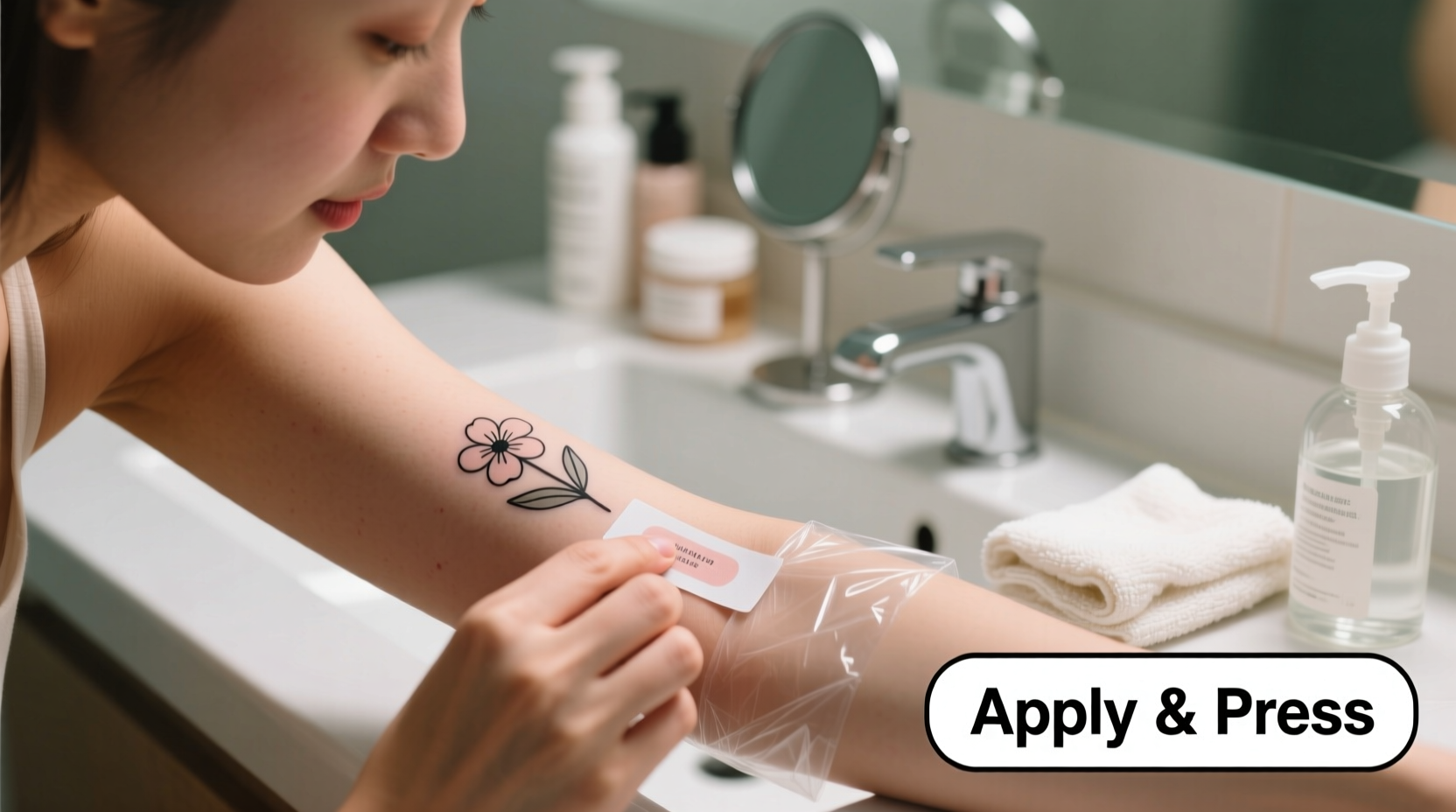
Not all temporary tattoos are created equal. Some rely on water-transfer technology, while others use adhesive backings or even UV-reactive inks. Understanding what’s touching your skin—and how your body might react—is the first step toward irritation-free wear.
The most common types include:
- Water-slide decals: These are printed on paper and activated with water. They’re generally low-risk but may contain dyes like parabens or alcohol-based solvents.
- Henna-based tattoos: Made from natural plant dye, these stain the skin and last 1–3 weeks. Be cautious: some \"black henna\" products contain PPD (para-phenylenediamine), a chemical linked to severe allergic reactions.
- Stick-on transfers: Often used at festivals or parties, these use pressure-sensitive adhesives. While convenient, they may trap sweat and cause dermatitis in sensitive individuals.
“Always patch-test new tattoo products—even natural ones. Skin sensitivity varies widely, and reactions can develop suddenly.” — Dr. Lena Patel, Board-Certified Dermatologist
Step-by-Step Guide: Applying Without Irritation
Proper technique makes a significant difference in both comfort and longevity. Follow this timeline to ensure safe, seamless application:
- Choose the Right Location: Pick a clean, flat area of the arm—avoid joints, scars, or areas with cuts, rashes, or sunburn.
- Cleanse Thoroughly: Wash the spot with mild soap and lukewarm water. Pat dry completely; moisture interferes with adhesion and increases bacterial risk.
- Exfoliate Gently: Use a soft washcloth to remove dead skin cells. This creates a smooth surface and helps the tattoo adhere evenly.
- Patch Test: Apply a small piece of the tattoo or a dab of its solution behind your ear or inner forearm. Wait 24 hours. If redness, swelling, or itching occurs, do not proceed.
- Trim Excess Hair: Long arm hair can prevent full contact and make removal painful. Trim with scissors (don’t shave, which can irritate follicles).
- Apply According to Instructions: For water-slide tattoos, hold under water for 30 seconds, then press firmly onto skin for 20–30 seconds. Smooth out air bubbles with a clean finger.
- Avoid Touching Until Set: Let the tattoo dry naturally. Don’t rub or cover it immediately.
Do’s and Don’ts During Wear
How you treat the tattoo after application affects both appearance and skin health. Below is a quick-reference table summarizing best practices.
| Do’s | Don’ts |
|---|---|
| Wear loose clothing over the tattoo to reduce friction | Rub the area with rough fabrics or towels |
| Shower normally, but limit direct water spray on the design | Soak in baths, hot tubs, or pools for extended periods |
| Use fragrance-free moisturizer around (not directly on) the tattoo | Apply perfumes, alcohol-based lotions, or sunscreen directly over it |
| Monitor daily for signs of irritation (redness, rash, blistering) | Ignore discomfort or assume minor itching is normal |
| Remove gently with baby oil or coconut oil when ready | Peel aggressively or use harsh solvents like acetone |
Real Example: A Festival-Goer’s Experience
Sophie, a 27-year-old event planner, attended a music festival where she got three stick-on tattoos on her forearm. Excited by the designs, she skipped the patch test and wore them throughout the weekend—despite sweating heavily and swimming in a lake. By day three, the edges began peeling, and the skin underneath turned red and itchy. After removing the tattoos with rubbing alcohol, the irritation worsened into a scaly rash.
She consulted a dermatologist who diagnosed contact dermatitis caused by prolonged moisture exposure beneath the non-breathable adhesive. Sophie was advised to avoid similar products in the future and always allow her skin to breathe. Since then, she opts for henna tattoos made with organic ingredients and never wears them longer than five days.
Checklist for Safe Temporary Tattoo Application
Before applying any temporary tattoo to your arm, run through this essential checklist:
- ✅ Confirm the product is FDA-compliant or EU-certified for cosmetic use
- ✅ Read the ingredient list—avoid known allergens like formaldehyde, PPD, or propylene glycol
- ✅ Perform a patch test 24 hours before full application
- ✅ Clean and dry the target area thoroughly
- ✅ Apply in a well-ventilated space to avoid inhaling fumes from sprays or solvents
- ✅ Keep the tattoo away from open wounds, moles, or irritated skin
- ✅ Plan for removal—have a gentle oil or micellar water on hand
Frequently Asked Questions
Can I be allergic to temporary tattoos even if I’ve used them before?
Yes. Allergies can develop over time, especially with repeated exposure to certain dyes or preservatives. Just because a product was safe once doesn’t guarantee future tolerance. Always re-check ingredients and consider re-testing if switching brands or batches.
Are “natural” or “organic” temporary tattoos safer?
Not necessarily. While plant-based options like pure henna are generally gentler, terms like “natural” aren’t regulated. Some brands mix natural bases with synthetic stabilizers or fragrances. Look for third-party certifications (e.g., EWG Verified, Leaping Bunny) for greater assurance.
What should I do if my skin starts reacting?
Remove the tattoo immediately using a gentle oil-based remover. Wash the area with cool water and mild soap. Apply a hydrocortisone cream if itching persists, and avoid scratching. If swelling, blistering, or spreading rash occurs, consult a healthcare provider promptly.
Conclusion: Enjoy Body Art Safely and Confidently
Temporary tattoos can be a joyful addition to self-expression, travel memories, or seasonal celebrations—but only when applied with care. By choosing high-quality products, preparing your skin properly, and monitoring for adverse reactions, you can enjoy bold designs without compromising your skin’s health. Remember that your arms are constantly exposed to friction, sunlight, and environmental elements, so extra attention to aftercare pays off in both comfort and appearance.




 浙公网安备
33010002000092号
浙公网安备
33010002000092号 浙B2-20120091-4
Comments
No comments yet. Why don't you start the discussion?