
A persistent salty taste in the mouth can be more than just a fleeting annoyance—it may signal an underlying health issue or lifestyle factor affecting your oral and overall well-being. Unlike temporary flavor changes from food, a lingering metallic or saline sensation often points to physiological imbalances, infections, or medication side effects. While occasional shifts in taste are normal, chronic saltiness warrants attention. Understanding the root causes and knowing how to respond can make a significant difference in comfort and long-term health.
Why Taste Changes Occur
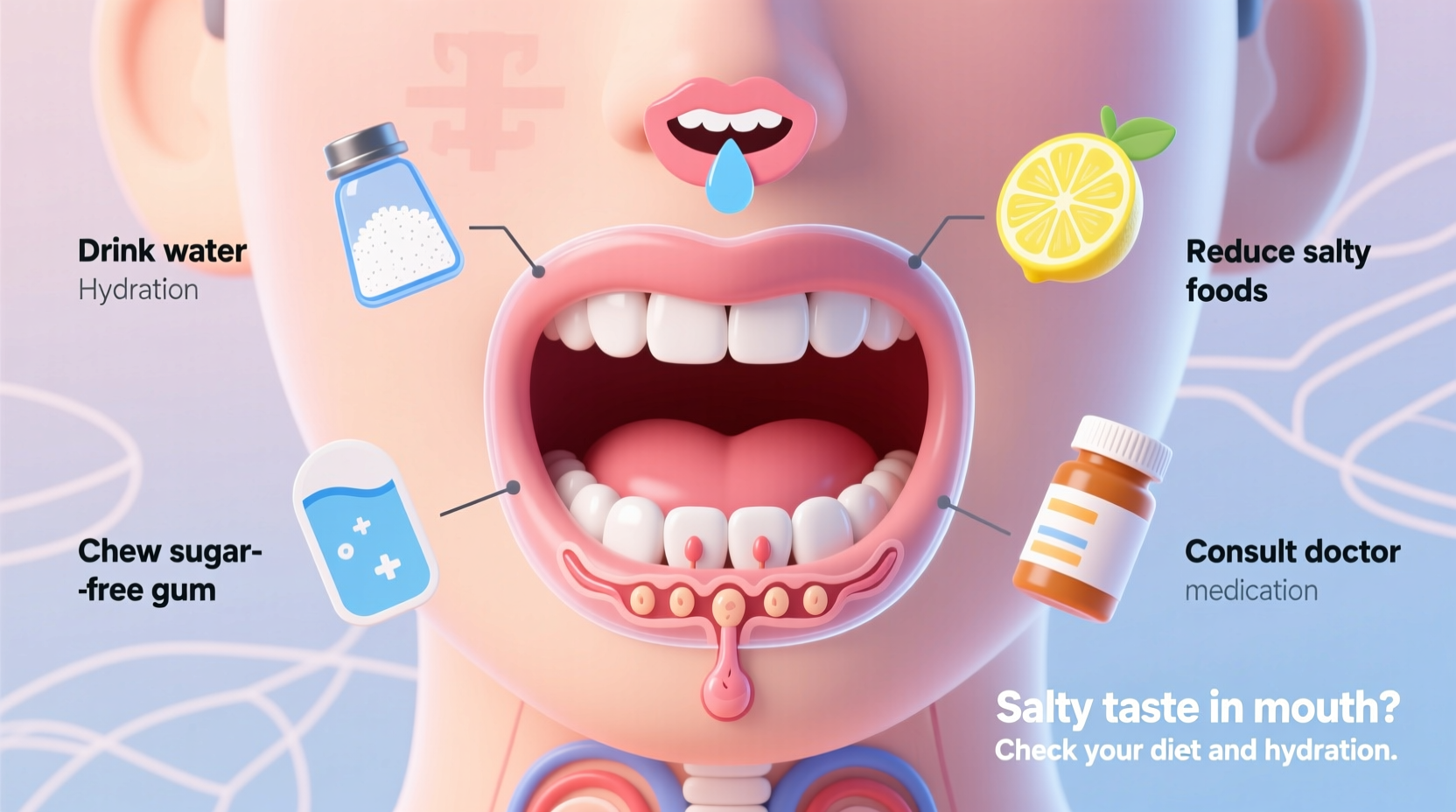
The human sense of taste relies on a complex interaction between taste buds, saliva composition, nerve signaling, and olfactory input. Any disruption in this system—whether due to dehydration, infection, or neurological conditions—can distort flavor perception. A salty sensation typically arises when the balance of electrolytes in saliva is altered, or when blood or mucus mixes with oral fluids. The body's natural response to stress, illness, or medication can inadvertently change the chemical makeup of saliva, leading to distorted taste sensations known as dysgeusia.
Taste disturbances are increasingly reported, especially among older adults and those managing chronic illnesses. According to the National Institute on Deafness and Other Communication Disorders (NIDCD), over 1 million people in the U.S. experience chemosensory disorders annually, including taste abnormalities.
“Changes in taste, especially persistent ones like a salty sensation, should not be ignored. They’re often the body’s first signal that something is off—ranging from dry mouth to systemic disease.” — Dr. Lena Patel, Otolaryngologist and Taste Disorder Specialist
Common Medical Causes of a Salty Taste
Several health conditions can lead to a salty or metallic taste in the mouth. Identifying these can help determine whether professional care is needed.
- Dry Mouth (Xerostomia): Reduced saliva production concentrates minerals and salts in the mouth, amplifying a salty sensation. Common in older adults and those taking antihistamines, antidepressants, or blood pressure medications.
- Oral Infections: Gingivitis, periodontitis, or mouth ulcers can release blood and inflammatory fluids into saliva, altering taste.
- Sinus Infections and Postnasal Drip: Mucus draining from the sinuses into the throat often carries a salty or bitter taste, especially upon waking.
- Gastroesophageal Reflux Disease (GERD): Stomach acid rising into the mouth can mix with saliva, sometimes creating a sour or salty aftertaste.
- Neurological Conditions: Nerve damage from head trauma, Bell’s palsy, or early-stage neurodegenerative diseases can disrupt taste signals.
- Pregnancy: Hormonal fluctuations during early pregnancy frequently alter taste perception, including increased sensitivity to salt.
Lifestyle and Environmental Triggers
Beyond medical conditions, everyday habits and surroundings play a role in taste disturbances.
| Factor | How It Affects Taste | Solution |
|---|---|---|
| Dehydration | Concentrates salts in saliva | Drink more water; avoid excessive caffeine/alcohol |
| Smoking or Vaping | Damages taste buds and dries mouth | Reduce use; consider cessation programs |
| Poor Oral Hygiene | Bacteria buildup alters taste | Brush twice daily, floss, clean tongue |
| High-Sodium Diet | Residual salt on tongue and gums | Reduce processed foods; rinse after meals |
| Metallic Dental Work | Galvanic currents between fillings may create metallic/salty taste | Consult dentist for evaluation |
Step-by-Step: How to Address a Salty Mouth at Home
For mild or transient cases, self-care measures can resolve the issue within days. Follow this timeline to identify and correct the cause:
- Day 1–2: Assess Habits and Hydration
Track fluid intake, oral hygiene, and diet. Increase water consumption to at least 8 glasses daily. Avoid salty snacks and alcohol-based mouthwashes. - Day 3–4: Improve Oral Care Routine
Use a soft-bristle toothbrush and fluoride toothpaste. Gently brush the tongue to remove bacteria. Floss and rinse with an alcohol-free mouthwash. - Day 5–7: Monitor Symptoms and Triggers
Note if the taste worsens after certain foods, medications, or lying down (suggesting GERD). Try a saline nasal rinse if sinus issues are suspected. - Day 8+: Evaluate Progress
If no improvement, consider possible medical causes. Discontinue any new supplements or medications causing side effects, but only under doctor guidance.
When to See a Doctor
While many causes are benign and self-limiting, persistent or worsening symptoms require medical evaluation. Seek care if:
- The salty taste lasts longer than two weeks without explanation.
- You experience additional symptoms: dry eyes, joint pain, or difficulty swallowing (possible Sjögren’s syndrome).
- There’s visible gum bleeding, pus, or ulceration.
- You’ve recently started a new medication linked to taste changes (e.g., ACE inhibitors, antibiotics, thyroid drugs).
- Neurological symptoms appear, such as facial numbness or muscle weakness.
A primary care physician may refer you to an ENT specialist, dentist, or neurologist depending on findings. Diagnostic tools may include blood tests (for diabetes, zinc deficiency, or autoimmune markers), salivary flow tests, or imaging for sinus issues.
Mini Case Study: Resolving Chronic Salty Taste
Sarah, a 42-year-old office worker, noticed a persistent salty taste every morning for over three weeks. She initially dismissed it as dehydration but found no relief despite drinking more water. Upon review, her dentist noted signs of gingivitis and dry mouth, exacerbated by her antihistamine use for seasonal allergies. Sarah also admitted to mouth breathing at night due to nasal congestion.
Her treatment plan included switching to a non-drying allergy medication, using a humidifier at night, and improving her dental hygiene with a tongue scraper and alcohol-free rinse. Within 10 days, the salty taste diminished significantly. A follow-up with an ENT confirmed mild chronic sinusitis, which was managed with nasal corticosteroids. Sarah’s case highlights how overlapping factors—oral health, medication, and sinus function—can collectively disrupt taste.
Checklist: What You Can Do Today
- ✅ Drink at least 8 glasses of water daily.
- ✅ Brush teeth and tongue twice a day.
- ✅ Floss daily to reduce bacterial buildup.
- ✅ Avoid tobacco and limit alcohol-based mouth rinses.
- ✅ Review medications with your doctor for taste-related side effects.
- ✅ Use a humidifier if you breathe through your mouth at night.
- ✅ Schedule a dental checkup if gum issues are suspected.
Frequently Asked Questions
Can a salty taste in the mouth be a sign of diabetes?
Yes, though less common than a sweet or metallic taste, uncontrolled diabetes can lead to dry mouth and altered taste perception. High blood sugar affects nerve function and salivary glands, potentially contributing to taste disturbances. If accompanied by frequent urination, fatigue, or blurred vision, consult a healthcare provider for screening.
Is it normal to have a salty taste after surgery?
It can be. Anesthesia, intubation, and postoperative medications (especially antibiotics and opioids) are known to cause temporary taste changes. Most resolve within a few days to weeks. However, if the taste persists beyond recovery, further evaluation is recommended.
Can zinc deficiency cause a salty taste?
Zinc plays a crucial role in taste bud function. Deficiency can lead to dysgeusia, often described as metallic or salty. At-risk groups include vegetarians, older adults, and those with gastrointestinal disorders. Blood testing can confirm deficiency, and supplementation under medical supervision may restore normal taste.
Take Control of Your Oral Health
A salty taste in the mouth is rarely dangerous on its own, but it’s a meaningful clue your body may be sending. Whether rooted in simple dehydration or a deeper medical condition, addressing it promptly improves quality of life and may uncover hidden health issues. Start with hydration and oral hygiene—foundational steps anyone can take. When in doubt, don’t hesitate to consult a healthcare provider. Small changes today can prevent bigger complications tomorrow.




 浙公网安备
33010002000092号
浙公网安备
33010002000092号 浙B2-20120091-4
Comments
No comments yet. Why don't you start the discussion?