
A persistent salty taste on the lips can be both puzzling and uncomfortable. While occasional saltiness may result from eating certain foods or sweating, a recurring or unexplained sensation often signals an underlying issue. This condition affects people of all ages and can stem from physiological, environmental, or medical factors. Understanding the root causes is essential to finding relief and preventing recurrence. From dehydration to hormonal fluctuations and oral health concerns, several influences contribute to this sensation—many of which are manageable with simple lifestyle adjustments.
Understanding Why You Might Taste Salt on Your Lips
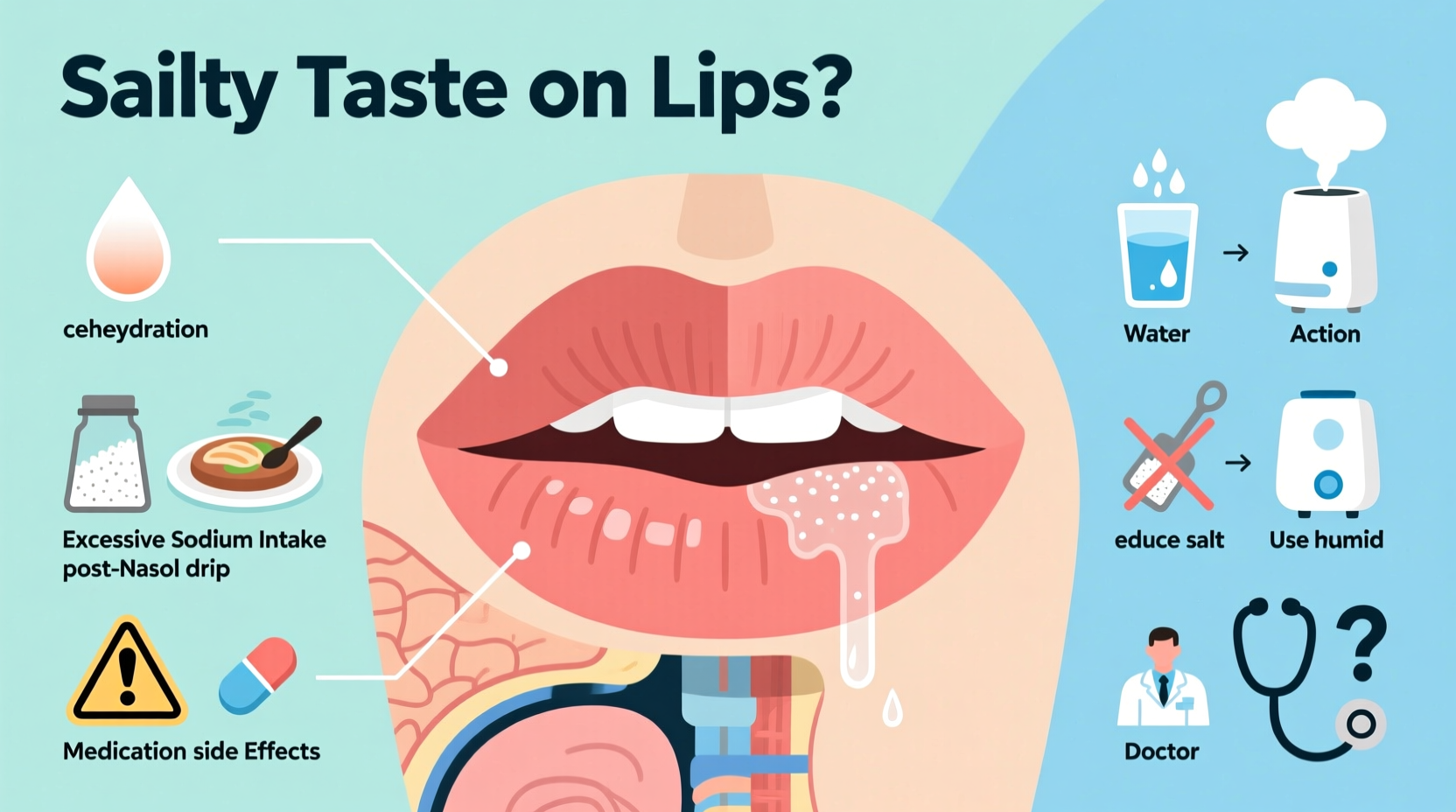
The perception of saltiness on the lips isn't always due to actual salt residue. Instead, it's often linked to changes in saliva composition, skin secretions, or nerve signaling involved in taste. The human body produces sweat and sebum that contain electrolytes like sodium chloride—common table salt. When these substances accumulate around the mouth, especially during physical activity or stress, they can create a detectable salty sensation.
Additionally, disruptions in the salivary glands or minor skin irritation on the lip surface can alter how taste receptors interpret stimuli. Some individuals report tasting salt even without visible moisture, suggesting neurological or systemic involvement. Recognizing whether the taste is external (from sweat or residue) or internal (due to bodily changes) helps determine the appropriate response.
Common Causes of a Salty Sensation on the Lips
Several everyday factors can lead to a salty feeling on the lips. Identifying the most likely culprit allows for targeted solutions.
- Dehydration: When the body lacks sufficient fluids, saliva becomes more concentrated with minerals, including sodium. This can leave a dry, salty film on the lips.
- Sweating: Facial perspiration, particularly around the upper lip, transfers salt from the bloodstream through pores. This is common during exercise, hot weather, or anxiety-induced sweating.
- Dry or Chapped Lips: Cracked skin traps sweat, saliva, and dead cells, enhancing salt retention and irritation.
- Hormonal Changes: Fluctuations during menstruation, pregnancy, or menopause can affect glandular secretions, altering taste perception.
- Medications: Certain drugs, such as antibiotics, antihistamines, and blood pressure medications, list altered taste as a side effect.
- Nasal Congestion: Postnasal drip or breathing through the mouth introduces mucus with higher sodium content near the lips.
- Oral Infections: Conditions like gingivitis or thrush may change saliva chemistry, leading to unusual tastes.
“Changes in taste perception, including saltiness, are often early indicators of hydration status or medication effects.” — Dr. Lena Patel, Otolaryngologist and Taste Disorder Specialist
When to Be Concerned: Red Flags and Medical Conditions
In most cases, a salty taste resolves on its own. However, if it persists beyond a few days or is accompanied by other symptoms, it could point to a more serious condition.
Potential medical contributors include:
- Sjögren’s Syndrome: An autoimmune disorder that reduces saliva and tear production, concentrating electrolytes in remaining fluids.
- Electrolyte Imbalance: Abnormal levels of sodium, potassium, or calcium due to kidney issues, excessive diuretic use, or prolonged vomiting/diarrhea.
- Neurological Disorders: Nerve damage affecting cranial nerves involved in taste, such as Bell’s palsy or multiple sclerosis.
- Gastroesophageal Reflux Disease (GERD): Stomach acid rising into the mouth can carry ions that alter taste.
If you experience additional symptoms like dry mouth, fatigue, swelling, or changes in urination, consult a healthcare provider. Persistent taste disturbances warrant evaluation to rule out systemic disease.
Step-by-Step Guide to Addressing a Salty Taste on Lips
- Hydrate thoroughly: Drink at least 8 glasses of water daily. Monitor urine color—pale yellow indicates proper hydration.
- Cleanse gently: Use lukewarm water and a soft cloth to wipe the lip area, removing any residual sweat or debris.
- Moisturize lips: Apply a fragrance-free lip balm with ingredients like shea butter or ceramides to protect the skin barrier.
- Review medications: Check side effects of current prescriptions with your pharmacist or doctor.
- Monitor diet: Reduce high-sodium foods temporarily and increase intake of potassium-rich fruits and vegetables.
- Visit a dentist: Rule out oral infections or gum disease contributing to altered taste.
- Seek medical advice: If symptoms persist beyond a week or worsen, schedule an appointment with your primary care physician.
Practical Tips to Prevent Recurrence
Prevention focuses on maintaining balance—both in hydration and skin health. Small habits make a significant difference over time.
| Do’s | Don’ts |
|---|---|
| Drink water regularly, especially in heat or during activity | Ignore signs of dehydration like dark urine or dizziness |
| Use hypoallergenic lip products free of artificial fragrances | Lick your lips frequently—this increases evaporation and salt concentration |
| Blow your nose gently and wash face after congestion | Share lip balms or utensils, which can spread infection |
| Track changes in taste alongside menstrual cycle or new medications | Self-diagnose serious conditions without professional input |
Real-Life Example: Managing Saltiness During Menopause
Sarah, a 52-year-old teacher, began noticing a persistent salty taste on her lips each morning. At first, she assumed it was from nighttime mouth breathing due to seasonal allergies. However, the sensation continued despite using a humidifier and nasal spray. After ruling out dental issues, she discussed her symptoms with her gynecologist, who connected them to perimenopausal hormonal shifts. Estrogen decline was affecting her salivary flow and skin moisture. With guidance, Sarah increased her water intake, switched to a hydrating lip therapy, and started a low-dose hormone regimen. Within three weeks, the salty taste diminished significantly.
This case illustrates how seemingly minor sensory changes can reflect broader physiological transitions—and why a holistic approach matters.
Frequently Asked Questions
Can dehydration really cause a salty taste on the lips?
Yes. When dehydrated, the body conserves water, making saliva and sweat more concentrated with sodium. This leads to a noticeable salty residue, especially around the mouth where evaporation occurs quickly.
Is a salty taste a sign of diabetes?
Not directly. However, uncontrolled diabetes can lead to dry mouth and altered taste sensations (dysgeusia). If combined with excessive thirst, frequent urination, or fatigue, consult a doctor for blood sugar testing.
Why do I taste salt when I haven’t been sweating?
You may still produce small amounts of facial sweat unnoticed, or the cause could be internal—such as postnasal drip, medication side effects, or hormonal shifts affecting glandular secretions.
Action Plan Checklist
- ✅ Assess your daily water intake
- ✅ Replace lip products with non-irritating alternatives
- ✅ Wipe lips gently after meals and workouts
- ✅ Monitor for accompanying symptoms (dry mouth, fatigue, etc.)
- ✅ Schedule a dental checkup if the issue persists
- ✅ Consult a physician if no improvement within 7–10 days
Final Thoughts and Next Steps
A salty taste on the lips is usually benign and easily addressed with improved hydration and skincare. But when persistent, it serves as a subtle signal from your body—prompting attention to fluid balance, medication effects, or underlying health conditions. By listening closely and taking practical steps, most people find quick relief. Don’t dismiss recurring sensory changes; they’re often early clues to imbalances that benefit from timely care.




 浙公网安备
33010002000092号
浙公网安备
33010002000092号 浙B2-20120091-4
Comments
No comments yet. Why don't you start the discussion?