
Choosing between budget smartphones like the Samsung Galaxy A20s and A10s can feel like splitting hairs—after all, they share similar designs, price points, and brand lineage. But beneath the surface, key differences emerge that could significantly impact your daily experience. If you’re currently using or considering the A10s and wondering whether upgrading to the A20s is worth it, this breakdown will clarify exactly what you're gaining—or leaving behind.
The answer isn’t just about specs on paper; it’s about real-world usability, longevity, and how those incremental improvements translate into everyday value. Let’s dissect the differences in hardware, software, photography, and overall user satisfaction to help you make an informed decision.
Battery Life and Charging: A Clear Winner
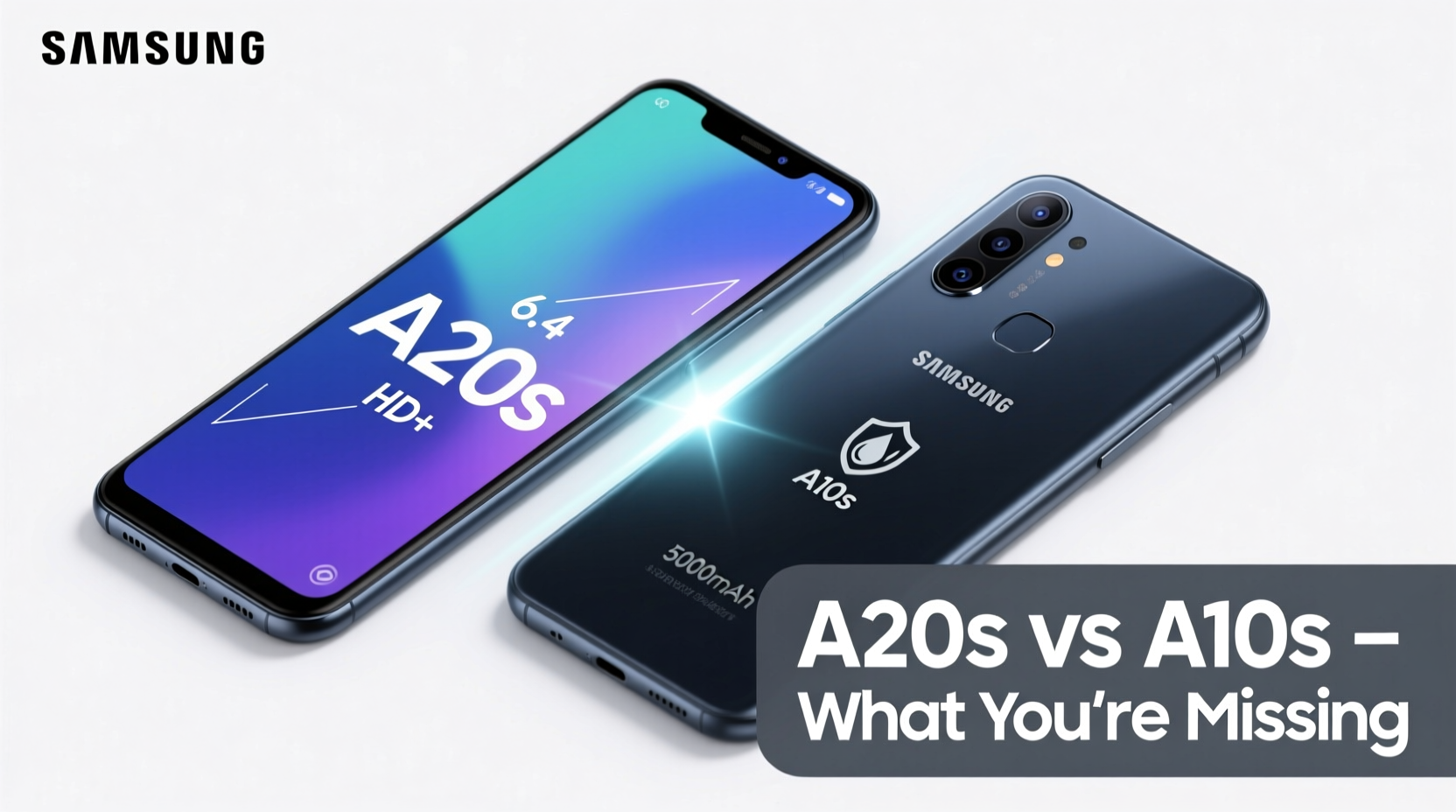
One of the most tangible upgrades from the A10s to the A20s is the battery capacity. The A20s packs a 4000mAh battery, while the A10s makes do with a smaller 3500mAh unit. That extra 500mAh may not sound dramatic, but in practice, it translates to nearly two additional hours of screen-on time under moderate use.
Both phones support only 10W charging and lack fast charging capabilities, meaning full recharge times hover around 2.5 to 3 hours. However, because the A20s starts with more juice, it naturally lasts longer between charges—especially beneficial for users who commute, travel, or rely heavily on their phone throughout the day.
Display Quality: Subtle but Noticeable Differences
Both devices feature 6.4-inch Infinity-V displays with HD+ resolution (720 x 1560), but the A20s uses a Super AMOLED panel, whereas the A10s relies on a PLS TFT LCD—essentially Samsung’s version of IPS LCD.
This distinction matters. Super AMOLED screens deliver deeper blacks, higher contrast ratios, and better outdoor visibility due to superior brightness and pixel-level illumination. Colors appear richer, and media consumption—whether watching videos or browsing social media—is noticeably more enjoyable on the A20s.
In low-light environments, the A20s also benefits from slightly better dimming control, reducing eye strain during nighttime use. While casual users might not immediately notice the difference, prolonged side-by-side usage reveals a clear advantage for the A20s in visual fidelity.
Performance and Hardware: More Than Just a Chipset
Under the hood, the performance gap becomes more pronounced. The A10s is powered by the Samsung Exynos 7884B—a modest octa-core processor paired with up to 2GB of RAM. In contrast, the A20s runs on the Qualcomm Snapdragon 450, which may seem outdated by today’s standards but offers better driver optimization and sustained performance, especially in multitasking scenarios.
More importantly, the A20s typically ships with 3GB or 4GB of RAM, depending on the region and model, compared to the A10s’ maximum of 2GB. This extra memory allows smoother app switching, faster background app retention, and better handling of modern Android features like Google Assistant shortcuts and split-screen mode.
| Feature | Samsung A10s | Samsung A20s |
|---|---|---|
| Processor | Exynos 7884B | Snapdragon 450 |
| RAM Options | 2GB | 3GB / 4GB |
| Storage | 32GB | 32GB / 64GB |
| Expandable Storage | Up to 512GB | Up to 512GB |
| Battery | 3500 mAh | 4000 mAh |
| Display Type | PLS TFT LCD | Super AMOLED |
| Rear Cameras | Single 13MP | Triple: 13MP + 8MP + 5MP |
| Fingerprint Sensor | No | Yes (rear-mounted) |
Camera Capabilities: From Basic to Functional
The camera setup is where the divide widens dramatically. The A10s features a single 13MP rear sensor with no depth or ultra-wide lens—limiting photography to basic point-and-shoot functionality. Low-light performance is average at best, with grainy images and poor dynamic range.
The A20s, however, introduces a triple-camera system: a primary 13MP shooter, an 8MP ultra-wide lens (ideal for landscapes and group shots), and a 5MP depth sensor enabling portrait mode effects. While image processing remains entry-level, the inclusion of the ultra-wide lens adds creative flexibility absent on the A10s.
Front-facing cameras are identical—both have an 8MP selfie shooter—but the A20s supports facial recognition unlock, adding convenience for users who prioritize quick access.
“Even in budget phones, multi-lens systems now offer meaningful improvements in composition and versatility.” — Rajiv Mehta, Mobile Imaging Analyst at TechPulse Asia
Build, Security, and Daily Usability
Both phones adopt a plastic chassis with a glossy finish that attracts fingerprints, but the A20s feels slightly more refined thanks to its larger battery and improved weight distribution. More crucially, the A20s includes a rear-mounted fingerprint sensor—a feature missing entirely on the A10s.
Without biometric security, the A10s relies solely on PINs, patterns, or facial recognition (which is less secure). The absence of a fingerprint reader slows down authentication and reduces peace of mind, especially when accessing banking apps or messaging platforms.
Software-wise, both launched with Android 9 Pie and received updates to Android 10. However, the A20s generally receives longer support cycles due to its positioning in Samsung’s mid-tier lineup. App compatibility and long-term usability favor the A20s, particularly as newer versions of popular apps demand more resources.
Real-World Example: Maria’s Upgrade Decision
Maria, a college student in Manila, used her A10s for nearly two years. She appreciated its compact size and clean interface but grew frustrated with frequent app reloads, dim display visibility under sunlight, and blurry night photos for her online portfolio.
After trading up to a secondhand A20s, she noticed immediate improvements: her Instagram Stories looked sharper thanks to the ultra-wide lens, her notes app stayed open without reloading, and studying outdoors became easier with the brighter, clearer screen. “It’s still not a flagship,” she said, “but it finally feels like my phone keeps up with me.”
Is the A20s Worth the Upgrade?
If you're currently using the A10s, here's a checklist to determine whether moving to the A20s makes sense:
- ✅ Do you frequently run out of battery before evening?
- ✅ Are you annoyed by slow app switching or constant reloading?
- ✅ Would you benefit from a fingerprint sensor for faster unlocking?
- ✅ Do you take photos beyond casual snapshots—like events or scenery?
- ✅ Is screen clarity important when streaming videos or reading?
If three or more apply, the A20s delivers meaningful upgrades. It’s not revolutionary, but it bridges several gaps that affect daily comfort and productivity.
Frequently Asked Questions
Can the A10s be upgraded to match the A20s’ performance?
No. Hardware limitations—especially the 2GB RAM cap and Exynos chipset—cannot be overcome through software updates. While cleaning apps or disabling animations may help slightly, the core constraints remain.
Does the A20s support newer Android versions?
Both phones reached their final major OS update with Android 10. No further official upgrades are expected, though security patches may continue sporadically depending on region.
Is the ultra-wide camera on the A20s actually useful?
Yes, particularly in tight spaces or for capturing broader scenes. While the image quality isn't premium, having the option expands creative control—something the A10s simply cannot offer.
Final Verdict: What You're Actually Missing Out On
Sticking with the A10s means accepting trade-offs: shorter battery life, a dimmer and less vibrant display, limited multitasking ability, no fingerprint sensor, and a single rear camera. These aren't dealbreakers if your usage is minimal—calls, texts, light browsing—but they become increasingly frustrating as demands grow.
The A20s doesn’t reinvent the wheel, but it delivers a more balanced, future-ready experience. You’re not just gaining specs—you’re gaining time, convenience, and confidence in your device’s reliability.
If you're still on the fence, consider this: the incremental cost between these models in the used market is often under $30. For that small premium, you gain nearly double the RAM, a better screen, enhanced photography, and biometric security. That’s not just an upgrade—it’s smarter long-term value.




 浙公网安备
33010002000092号
浙公网安备
33010002000092号 浙B2-20120091-4
Comments
No comments yet. Why don't you start the discussion?