
In recent years, kangaroo meat has emerged as a sustainable, lean, and flavorful alternative to traditional red meats in Australia and beyond. Among the most innovative and accessible ways to enjoy this unique protein is through sausages made from kangaroo meat. These sausages offer a bold taste experience while aligning with eco-conscious food choices. As global interest in low-impact proteins grows, understanding how kangaroo sausage differs from conventional options—and how to cook with it effectively—becomes essential for both home cooks and culinary professionals.
Kangaroo sausages are not merely a novelty; they represent a convergence of environmental responsibility, nutritional science, and gastronomic innovation. Unlike farmed livestock, kangaroos are wild-harvested under strict government regulation in Australia, making their meat one of the most environmentally sustainable sources of animal protein available. When transformed into sausages, the naturally gamey, rich flavor of kangaroo is balanced with spices, herbs, and sometimes blending agents like pork fat or binders to improve texture. The result is a product that challenges expectations while delivering exceptional taste and health benefits.
Definition & Overview
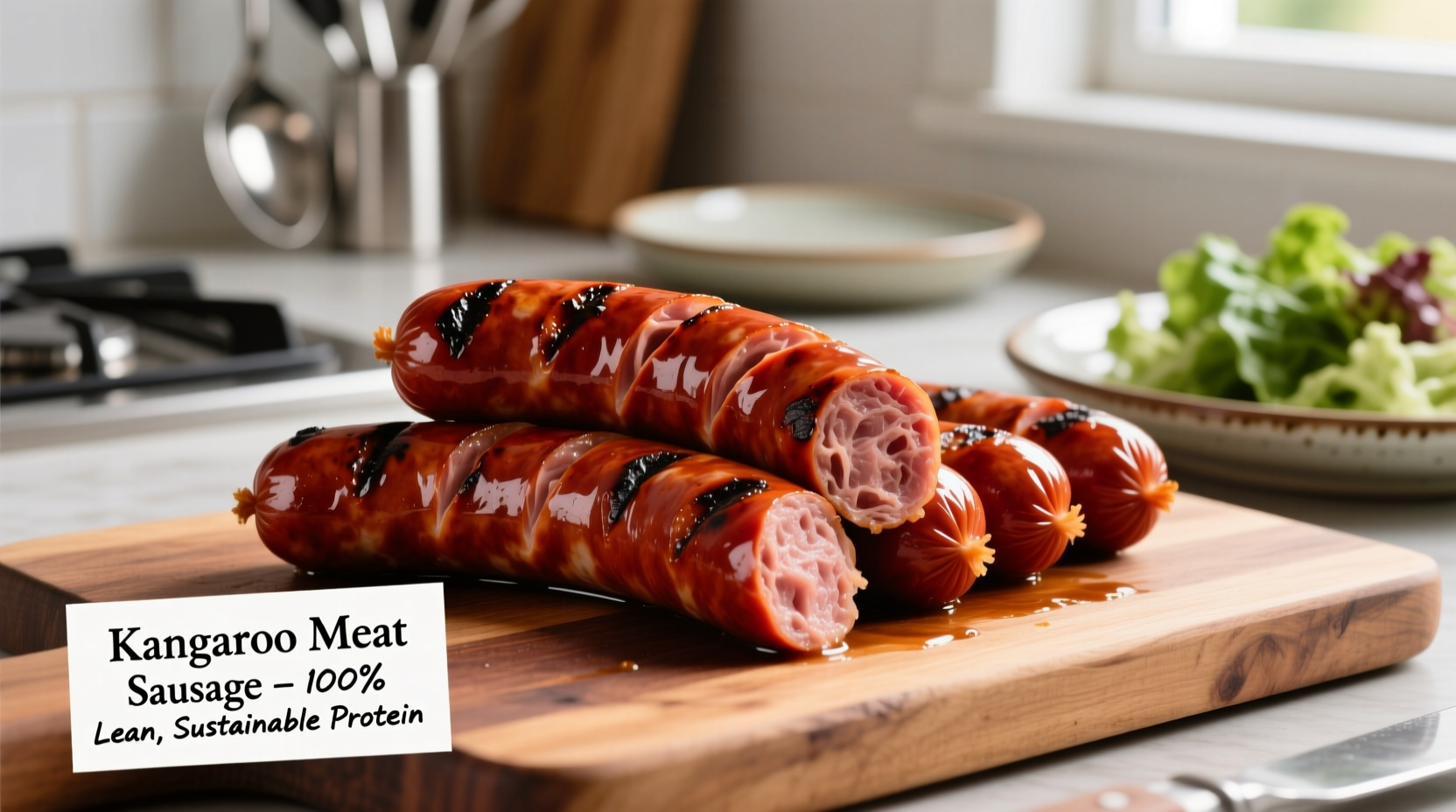
Sausages made from kangaroo meat are processed meat products composed primarily of ground kangaroo muscle tissue, seasoned with spices, salt, and often combined with small amounts of fat or filler to enhance mouthfeel and juiciness. While traditional sausages rely on pork, beef, or chicken, kangaroo-based versions use meat sourced from several large macropod species—including red kangaroo, eastern grey kangaroo, and western grey kangaroo—harvested from wild populations across Australia’s rangelands.
The production process follows standard sausage-making techniques: the meat is deboned, minced, mixed with seasonings (commonly garlic, pepper, herbs, and native Australian spices), emulsified or blended with fat (typically 10–20% pork backfat due to kangaroo's leanness), stuffed into casings, and then twisted into links. Some artisanal producers cold-smoke or ferment kangaroo sausages for charcuterie-style variations.
Culinarily, these sausages occupy a niche between exotic game meats and everyday staples. They are increasingly found in supermarkets across Australia, specialty butcher shops in Europe and North America, and high-end restaurants focused on sustainable proteins. Their rise reflects broader shifts toward regenerative food systems and reduced reliance on greenhouse gas-intensive livestock farming.
Key Characteristics
| Characteristic | Description |
|---|---|
| Flavor Profile | Rich, earthy, and mildly gamey with a clean finish; deeper than lamb but less intense than venison. Develops complexity when paired with robust spices. |
| Aroma | Pronounced meaty scent when raw; becomes savory and smoky when cooked, especially if smoked or grilled. |
| Color & Form | Deep ruby-red when raw; turns dark brownish-red when cooked. Typically sold in coil or link form, encased in natural or collagen casing. |
| Fat Content | Extremely lean—kangaroo meat averages 1–2% fat. Most commercial sausages add pork fat (10–20%) to prevent dryness. |
| Texture | Firm and dense due to low fat and high myoglobin; can be crumbly if overcooked or improperly formulated. |
| Nutritional Value | High in protein (25–30g per 100g), iron, zinc, omega-3 fatty acids, and B vitamins. Lower in saturated fat and cholesterol than beef or lamb. |
| Shelf Life | Refrigerated: 3–5 days. Frozen: up to 6 months. Best used quickly due to high unsaturated fat content, which oxidizes faster. |
| Culinary Function | Serves as a centerpiece protein in grills, stews, pasta dishes, and sandwiches. Ideal for replacing beef or lamb in recipes requiring strong flavor. |
Practical Usage: How to Cook with Kangaroo Sausages
Kangaroo sausages require careful handling due to their extreme leanness. Without sufficient fat, they can become dry or tough if overcooked. However, when prepared correctly, they deliver an intensely savory, satisfying bite ideal for modern palates seeking bold flavors without excess calories.
Dry-Heat Methods
- Grilling: Preheat grill to medium heat (around 175°C/350°F). Lightly oil grates and cook sausages for 4–5 minutes per side. Avoid high flames—flare-ups cause charring before the interior heats evenly.
- Pan-Searing: Use a heavy skillet over medium-low heat. Add a teaspoon of olive oil or duck fat to compensate for lack of intramuscular fat. Turn frequently for even browning. Internal temperature should reach 70°C (160°F).
- Broiling: Place sausages on a broiler pan 10 cm below heat source. Broil 4–5 minutes per side, watching closely to avoid burning.
Moist-Heat & Slow-Cook Applications
While less common, kangaroo sausages work well in braises and stews where liquid prevents drying. Simmer gently after searing to preserve texture.
- Sear sausages in a Dutch oven.
- Remove and sauté onions, carrots, celery.
- Add wine or stock, return sausages, cover, and simmer 30–40 minutes.
- Pair with lentils, beans, or root vegetables for hearty winter dishes.
Recommended Pairings
TIP: Balance the gaminess of kangaroo with sweet, acidic, or aromatic elements. Try serving with:
- Roasted beetroot relish or quince paste
- Red wine reduction or juniper-infused gravy
- Herbaceous sides like watercress salad with lemon vinaigrette
- Starchy bases such as creamy polenta, roasted sweet potatoes, or sourdough bread
In fusion cuisine, kangaroo sausages pair exceptionally well with Asian flavors. A spicy kangaroo curry sausage with lemongrass, ginger, and coconut milk creates a dynamic dish that bridges continents. Similarly, incorporating native Australian ingredients like wattleseed, lemon myrtle, or finger lime zest into homemade blends enhances authenticity and depth.
Variants & Types of Kangaroo Sausages
Not all kangaroo sausages are created equal. Differences arise from formulation, origin, processing method, and intended use. Understanding the types helps consumers choose wisely based on recipe needs and dietary goals.
| Type | Description | Best Used For |
|---|---|---|
| Classic Seasoned | Blended with garlic, black pepper, coriander, and sea salt. Mildly spiced, versatile profile. | Everyday grilling, breakfast plates, sandwiches |
| Smoked Kangaroo | Cold-smoked over hardwoods like mesquite or hickory. Adds preservative effect and deep aroma. | Charcuterie boards, cheese pairings, stews |
| Spicy Chorizo-Style | Mixed with paprika, chili, cumin, and vinegar. Often includes 15% pork fat for moisture. | Tacos, rice bowls, tapas, pizza toppings |
| Game Blend Sausage | Combines kangaroo with venison, wild boar, or rabbit. Enhances complexity and richness. | Gourmet entrées, holiday meals, restaurant service |
| Low-Fat Health Sausage | Minimal or no added fat. May include oat fiber or vegetable gums to retain moisture. | Diet-conscious eating, fitness diets, medical nutrition plans |
| Organic/Wild Harvest Certified | From kangaroos harvested under ecological certification standards. No antibiotics or growth hormones. | Eco-labeled menus, green-certified institutions |
Artisan butchers may also produce fermented kangaroo salami, though this remains rare due to pH and moisture control challenges inherent in very lean meat. Such products require extended curing times and precise humidity management.
Comparison with Similar Ingredients
Kangaroo sausage is often compared to other game or red meat sausages. While similarities exist, key distinctions affect cooking behavior, flavor integration, and nutritional outcomes.
| Feature | Kangaroo Sausage | Beef Sausage | Lamb Sausage | Venison Sausage |
|---|---|---|---|---|
| Fat Content | Very low (1–2% base, +10–20% added) | Moderate (15–25%) | High (20–30%) | Low (2–4%, often supplemented) |
| Flavor Intensity | Medium-high, earthy, clean | Mild to moderate, umami-rich | Strong, fatty, slightly gamey | High, distinctly gamey, iron-forward |
| Sustainability | Very high (wild-harvested, low emissions) | Low (high methane, land use) | Moderate to low | High (if wild-harvested) |
| Iron Content | ≈ 4.5 mg/100g | ≈ 2.0 mg/100g | ≈ 2.3 mg/100g | ≈ 3.8 mg/100g |
| Cooking Sensitivity | High—easily dries out | Medium—forgiving | Medium—tolerant of heat | High—requires care |
| Availability | Limited outside Australia | Widespread | Common in Middle East, UK, Mediterranean | Niche, seasonal |
“Kangaroo sausage isn’t just another meat option—it’s a statement about where protein sourcing is headed. It’s leaner than venison, more sustainable than lamb, and packs more nutrition per gram than almost any terrestrial mammal we eat.” — Chef Lena Tran, Sustainable Protein Advocate & Author of *The Future Plate*
Practical Tips & FAQs
Can I substitute kangaroo sausage for beef or pork sausage in recipes?
Yes—but with adjustments. Due to its low fat content, direct substitution may result in dryness. Compensate by adding extra oil during cooking, using moist-heat methods, or combining with fattier ingredients like bacon or grated cheese in stuffings or patties.
Is kangaroo sausage safe to eat rare?
No. Despite being game meat, kangaroo sausages must be fully cooked to an internal temperature of at least 70°C (160°F) to eliminate potential pathogens like *Salmonella* or *E. coli*, particularly because many contain added pork fat or binders from other animals.
How should I store kangaroo sausages?
Keep refrigerated below 4°C and consume within 3–5 days of purchase. For long-term storage, freeze in vacuum-sealed portions for up to six months. Wrap tightly to prevent freezer burn and oxidation of delicate fats.
Are there ethical concerns around harvesting kangaroos?
This is a complex issue. The Australian government regulates kangaroo harvesting under the Commercial Harvesting Code of Practice. Only four species are permitted for harvest, and quotas are set annually based on population surveys. Harvesting occurs at night using trained marksmen to ensure humane kills. Critics argue about enforcement consistency, while proponents highlight that kangaroo populations exceed ecological carrying capacity in many regions, causing land degradation. Many conservationists support regulated harvesting as part of integrated land management.
What are common flavor enhancers for kangaroo sausage?
- Acidic fruits: Quince, plum, cranberry, or orange marmalade cut richness.
- Woody herbs: Rosemary, thyme, and sage complement gaminess.
- Native spices: Wattleseed (nutty, coffee-like), lemon myrtle (citrus-bright), or Tasmanian pepperberry (spicy, floral).
- Umami boosters: Fermented fish sauce, soy, or mushroom powder deepen savoriness.
Can I make kangaroo sausages at home?
Absolutely. Home sausage-making allows full control over ingredients and fat ratio.
Homemade Kangaroo Sausage Recipe (Makes ~1 kg):
- 800g lean kangaroo meat (chilled)
- 150g pork backfat (kept cold)
- 1 tbsp sea salt
- 1 tsp cracked black pepper
- 2 crushed garlic cloves
- 1 tsp dried thyme
- ½ tsp ground coriander
- ¼ cup ice-cold water or red wine (for binding)
- Natural hog casings (soaked in water)
Grind meat and fat through a fine plate (3–4mm). Mix in seasonings and liquid. Knead briefly until sticky. Stuff into casings using a manual stuffer. Twist into 12–15cm links. Refrigerate 2 hours before cooking. Yields firm, flavorful sausages with controlled fat content.
Summary & Key Takeaways
Sausages made from kangaroo meat represent a compelling evolution in sustainable meat consumption. With superior nutritional profiles, minimal environmental impact, and distinctive flavor, they offer a viable alternative to conventional red meat sausages—especially in an era defined by climate awareness and health consciousness.
Their extreme leanness demands thoughtful preparation: gentle heat, moisture compensation, and strategic pairing with balancing flavors. Yet, when handled properly, kangaroo sausages deliver a gourmet experience that satisfies both palate and principles.
Available in various styles—from classic seasoned to spicy chorizo and smoked variants—they adapt well to diverse cuisines. Whether enjoyed grilled with roasted vegetables, simmered in a rustic stew, or featured on a charcuterie board, kangaroo sausages invite exploration and respect for underutilized food sources.
As global food systems seek resilience, kangaroo meat stands out not as a fringe curiosity, but as a model for ethical, ecologically sound protein production. For chefs, home cooks, and sustainability advocates alike, embracing kangaroo sausage is a step toward a more responsible and flavorful future.
Explore local specialty butchers or online purveyors offering certified kangaroo products. Start with a small batch, experiment with seasoning, and discover how this ancient protein fits into your modern kitchen.




 浙公网安备
33010002000092号
浙公网安备
33010002000092号 浙B2-20120091-4
Comments
No comments yet. Why don't you start the discussion?