
If your scale displays fluctuating or inconsistent weight readings, you're not alone. Many people experience confusion when stepping on a digital or analog scale only to see numbers that don’t align with expectations—or even with each other moments apart. These discrepancies can be misleading, frustrating, and sometimes alarming, especially if you're tracking progress for fitness, medical, or lifestyle goals. Understanding the underlying causes of inconsistent scale readings is the first step toward reliable measurements. This article explores the most common reasons behind varying weight displays and provides actionable solutions to help you get accurate, consistent results.
Why Scales Show Different Weights
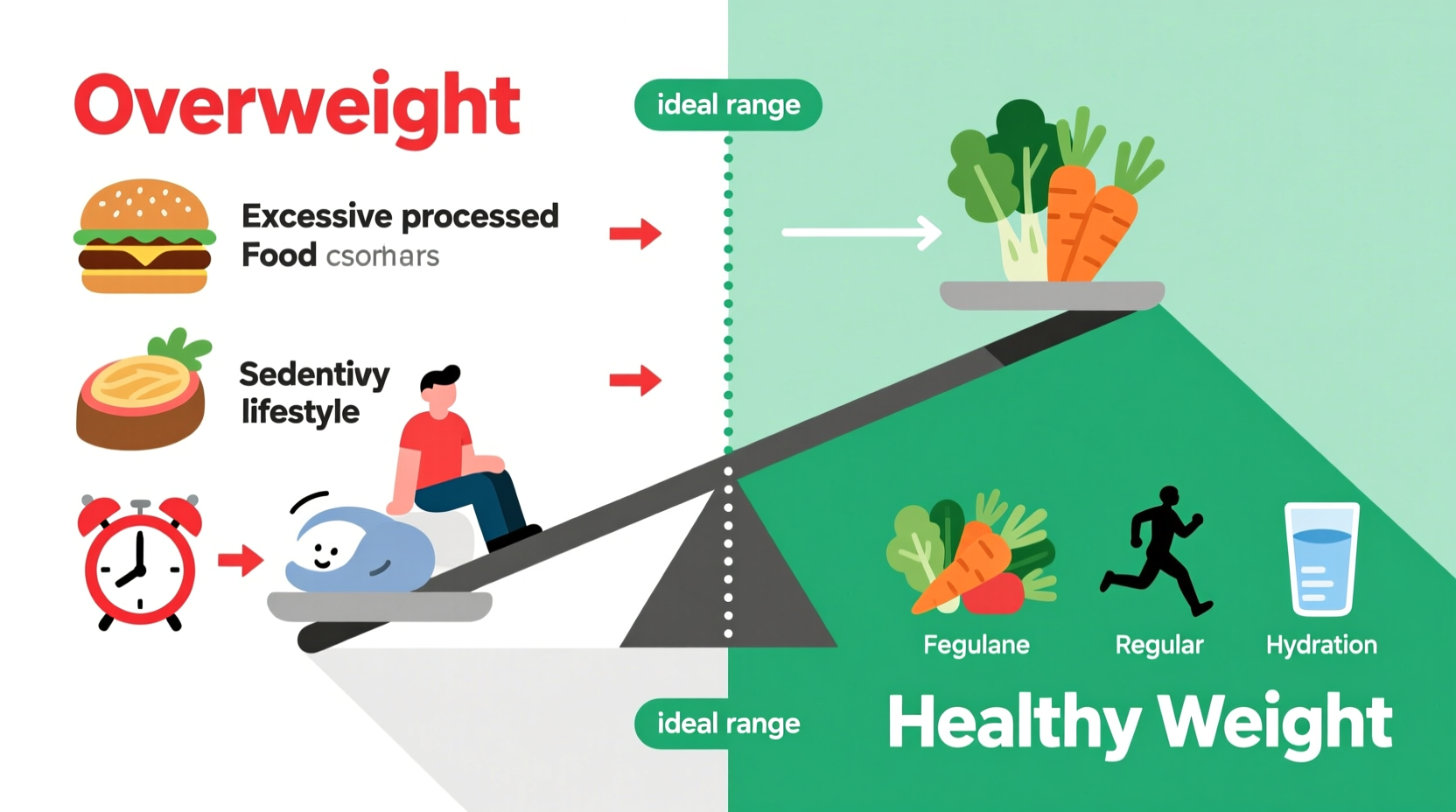
Scales are sensitive instruments influenced by multiple internal and external factors. Even high-end models can deliver inconsistent readings under suboptimal conditions. The following are key contributors to fluctuating weight measurements:
- Inconsistent placement: Moving a scale between surfaces (e.g., carpet, tile, wood) affects stability and sensor accuracy.
- Lack of calibration: Digital scales need periodic recalibration to maintain precision.
- Battery issues: Low battery power can lead to erratic behavior in digital models.
- User variables: Time of day, hydration levels, clothing, and recent meals significantly impact body weight.
- Surface instability: Uneven or soft flooring prevents proper contact with all four feet of the scale.
- Multiple users without memory settings: Some scales adjust sensitivity based on previous users, causing shifts in readings.
How to Ensure Accurate Weight Readings
Consistency is more important than any single reading. To track meaningful trends, standardize how and when you weigh yourself. Follow these best practices:
- Weigh yourself at the same time every day—ideally in the morning after using the bathroom and before eating.
- Wear similar or no clothing each time to reduce variability.
- Use the same scale consistently; avoid switching between devices.
- Allow the scale to auto-off and reset between uses to prevent residual data interference.
- Keep the scale clean and free of dust or debris that might interfere with sensors.
Daily Routine for Reliable Tracking
| Factor | Recommended Practice | Why It Matters |
|---|---|---|
| Time of Day | Morning, post-bathroom, pre-meal | Minimizes fluid retention and food weight fluctuations |
| Floor Surface | Hard, level floor (tile, concrete) | Ensures full sensor contact and balance |
| Clothing | Barefoot, minimal clothing (e.g., underwear) | Eliminates variable garment weight |
| Hydration/Food | Avoid weighing immediately after drinking or eating | Prevents temporary water/food weight spikes |
| Scale Maintenance | Monthly calibration, clean surface | Preserves sensor accuracy over time |
Technical Issues and How to Fix Them
Beyond user habits, technical faults can cause inaccurate readings. Identifying and resolving these ensures long-term reliability.
Calibration Problems
Most digital scales require recalibration after being moved or after prolonged use. Refer to the manufacturer’s instructions—typically, this involves turning on the scale, waiting for zeros, then stepping off while it resets. Some models require placing a known weight (like a 10 lb dumbbell) to verify accuracy.
Battery Replacement
Weak batteries often cause flickering numbers, delayed startup, or sudden shutdowns. Replace batteries annually or as soon as performance declines. Use high-quality alkaline batteries to avoid voltage drops.
Scale Sensor Errors
Overloading the scale (e.g., exceeding its maximum capacity) can damage internal load cells. If your scale shows random numbers or fails to turn on, sensor failure may be the cause. In such cases, replacement is usually necessary.
Real-Life Example: Maria’s Weight Tracking Journey
Maria, a 38-year-old teacher tracking her weight loss after a doctor’s recommendation, was discouraged when her digital scale showed swings from 164 lbs to 171 lbs within three days—despite consistent diet and exercise. Confused and frustrated, she nearly gave up. After consulting a nutritionist, she discovered she was weighing herself at different times (sometimes after dinner, sometimes in the afternoon), on a bathroom rug, and wearing thick socks. She also hadn’t calibrated her scale since moving apartments six months earlier.
She implemented changes: placed the scale on a hard floor, weighed herself every morning at 7 AM barefoot, and recalibrated the device. Within a week, her daily fluctuations reduced from 7 lbs to less than 1.5 lbs. Her actual weight trend became visible, revealing steady progress she hadn’t noticed before. This small adjustment restored her confidence and motivation.
“Weight isn’t just about the number—it’s about how you measure it. Consistency in timing, environment, and equipment reveals real progress.” — Dr. Alan Reeves, Clinical Nutritionist
Action Checklist: Ensuring Scale Accuracy
Follow this checklist weekly to maintain reliable weight tracking:
- ✅ Place scale on a hard, flat surface
- ✅ Calibrate scale monthly (or after moving)
- ✅ Replace batteries when low
- ✅ Weigh at the same time daily
- ✅ Wear minimal clothing and go barefoot
- ✅ Clean scale surface with a dry or slightly damp cloth
- ✅ Avoid stepping on the scale repeatedly in one session
- ✅ Track weekly averages instead of daily extremes
Frequently Asked Questions
Why does my scale show different weights in the morning and evening?
Your body weight naturally fluctuates throughout the day due to food intake, fluid retention, bowel movements, and activity levels. Morning weight is generally the most accurate baseline because it reflects your weight after fasting and eliminating waste. Evening readings can be 3–5 lbs higher due to meals, sodium, and water retention.
Can a scale be permanently inaccurate?
Yes. Physical damage, worn-out sensors, or repeated misuse (like dropping or overloading) can degrade a scale’s accuracy beyond repair. If recalibration doesn’t resolve inconsistencies and known weights produce incorrect readings, it’s time to replace the scale.
Should I trust a digital scale more than an analog one?
Digital scales are typically more precise, offering readings down to 0.1 lb increments, while analog dials are limited by needle alignment and parallax errors. However, digital scales depend on batteries and electronics, which can fail. High-quality digital models from reputable brands are generally more reliable than basic analog versions.
Conclusion: Take Control of Your Measurements
Inconsistent scale readings don’t necessarily mean you’re gaining or losing weight rapidly—they often reflect measurement error rather than biological change. By understanding the factors that influence scale accuracy and adopting disciplined weighing habits, you gain clarity and confidence in your health journey. Whether you're managing chronic conditions, pursuing fitness goals, or simply monitoring wellness, accurate data is essential. Don’t let a faulty reading derail your progress. Implement the steps outlined here, stay consistent, and focus on trends over time—not isolated numbers.




 浙公网安备
33010002000092号
浙公网安备
33010002000092号 浙B2-20120091-4
Comments
No comments yet. Why don't you start the discussion?