
Scalp pimples are more common than many realize, affecting people of all ages and hair types. Unlike facial acne, scalp breakouts often go unnoticed until they become painful, itchy, or inflamed. Left untreated, they can lead to scarring, hair thinning, or even infections. Understanding what causes these bumps—and how to treat and prevent them—is essential for maintaining both scalp health and overall confidence.
What Causes Scalp Pimples?
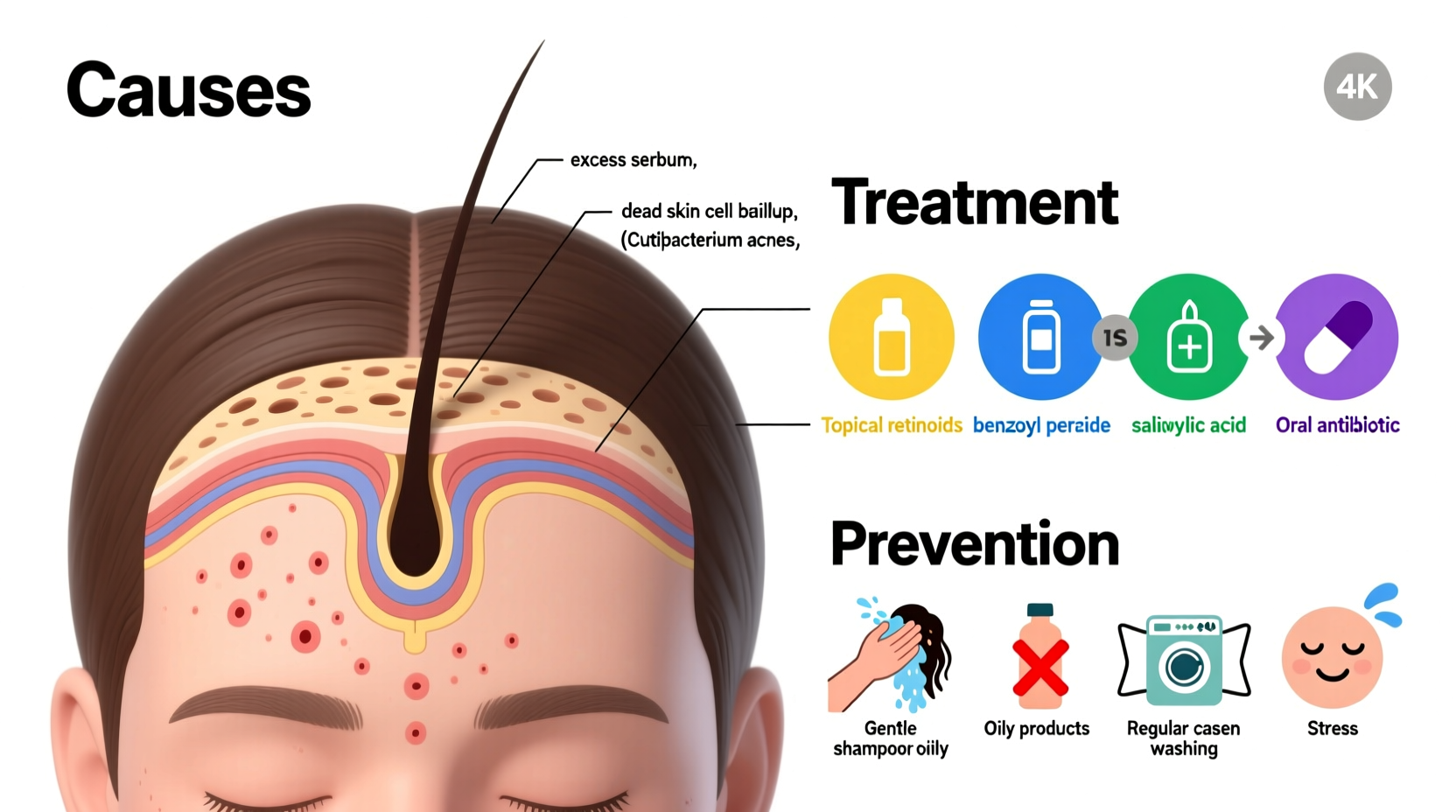
Scalp pimples form when hair follicles become clogged with oil, dead skin cells, bacteria, or product buildup. The scalp contains a high concentration of sebaceous glands, making it particularly prone to excess sebum production. When this oil mixes with dirt, sweat, or styling products, it creates an ideal environment for acne-causing bacteria like *Propionibacterium acnes* to thrive.
Common triggers include:
- Hormonal fluctuations: Especially during puberty, menstruation, pregnancy, or due to conditions like PCOS.
- Poor hygiene: Infrequent washing allows oils and debris to accumulate.
- Overuse of hair products: Gels, sprays, and serums can clog pores if not washed out properly.
- Dandruff or seborrheic dermatitis: Flaky skin increases irritation and follicle blockage.
- Tight hairstyles: Hats, helmets, or tight braids trap sweat and friction, promoting inflammation.
- Diet and stress: High-glycemic foods and chronic stress may exacerbate inflammatory skin responses.
Effective Treatment Options
Treating scalp acne requires targeting both surface symptoms and underlying causes. Mild cases often respond well to over-the-counter solutions, while persistent or severe breakouts may require medical intervention.
Topical Treatments
These work by unclogging pores, reducing oil, and killing bacteria:
- Salicylic acid: Exfoliates dead skin and clears follicles. Found in medicated shampoos (e.g., Neutrogena T/Sal).
- Benzoyl peroxide: Reduces bacterial growth and inflammation. Use in concentrations of 2–5% to avoid dryness.
- Tea tree oil: A natural antiseptic with antimicrobial properties. Dilute with a carrier oil before applying.
- Ketoconazole: Effective against fungal elements linked to dandruff-related folliculitis (e.g., Nizoral shampoo).
Prescription Solutions
For stubborn or cystic scalp acne, dermatologists may recommend:
- Topical retinoids (e.g., tretinoin) to regulate cell turnover.
- Oral antibiotics (e.g., doxycycline) for moderate to severe bacterial involvement.
- Antifungal medications if yeast overgrowth is suspected.
- Hormonal therapy (e.g., spironolactone) for women with hormone-driven breakouts.
“Scalp acne isn’t just about cleanliness—it’s often a mix of biology, product use, and lifestyle. A targeted approach yields better results than aggressive scrubbing.” — Dr. Lena Patel, Board-Certified Dermatologist
Prevention Tips for a Healthy Scalp
Preventing scalp pimples is more sustainable than treating flare-ups. Consistent habits protect the scalp’s microbiome and reduce irritation.
Daily & Weekly Habits
- Shampoo regularly based on hair type (oily scalps may need every other day; dry types every 3–4 days).
- Rinse thoroughly to remove all product traces.
- Avoid heavy oils or waxes near the scalp line.
- Wash hats, pillowcases, and combs weekly to minimize bacterial transfer.
- Keep fingernails short to reduce scalp trauma during scratching.
Do’s and Don’ts: Scalp Care Checklist
| Do’s | Don’ts |
|---|---|
| Use non-comedogenic hair products | Apply thick pomades or silicones directly on the scalp |
| Massage gently with fingertips (not nails) | Scratch or pick at pimples |
| Switch shampoos periodically to prevent buildup | Over-wash, which strips natural oils and triggers rebound oiliness |
| Stay hydrated and eat anti-inflammatory foods | Ignore signs of infection like pus, swelling, or pain |
| Seek professional help for recurring issues | Self-diagnose as simple acne when it could be folliculitis or psoriasis |




 浙公网安备
33010002000092号
浙公网安备
33010002000092号 浙B2-20120091-4
Comments
No comments yet. Why don't you start the discussion?