
Breakouts aren’t limited to the face—many people experience acne on the scalp, often without understanding the root causes or effective treatment options. Scalp pimples can range from small red bumps to painful, inflamed cysts. They may itch, ooze, or even lead to temporary hair thinning if left untreated. Understanding what triggers these blemishes is the first step toward managing and preventing them.
The scalp shares many characteristics with facial skin: it has hair follicles, sebaceous (oil) glands, and is prone to clogging, bacteria, and inflammation. However, it’s also covered by hair, exposed to styling products, and often neglected in cleansing routines—all of which contribute to breakouts. Addressing scalp acne requires more than just spot treatments; it demands a holistic approach to hygiene, product selection, and skin health.
What Causes Scalp Pimples?
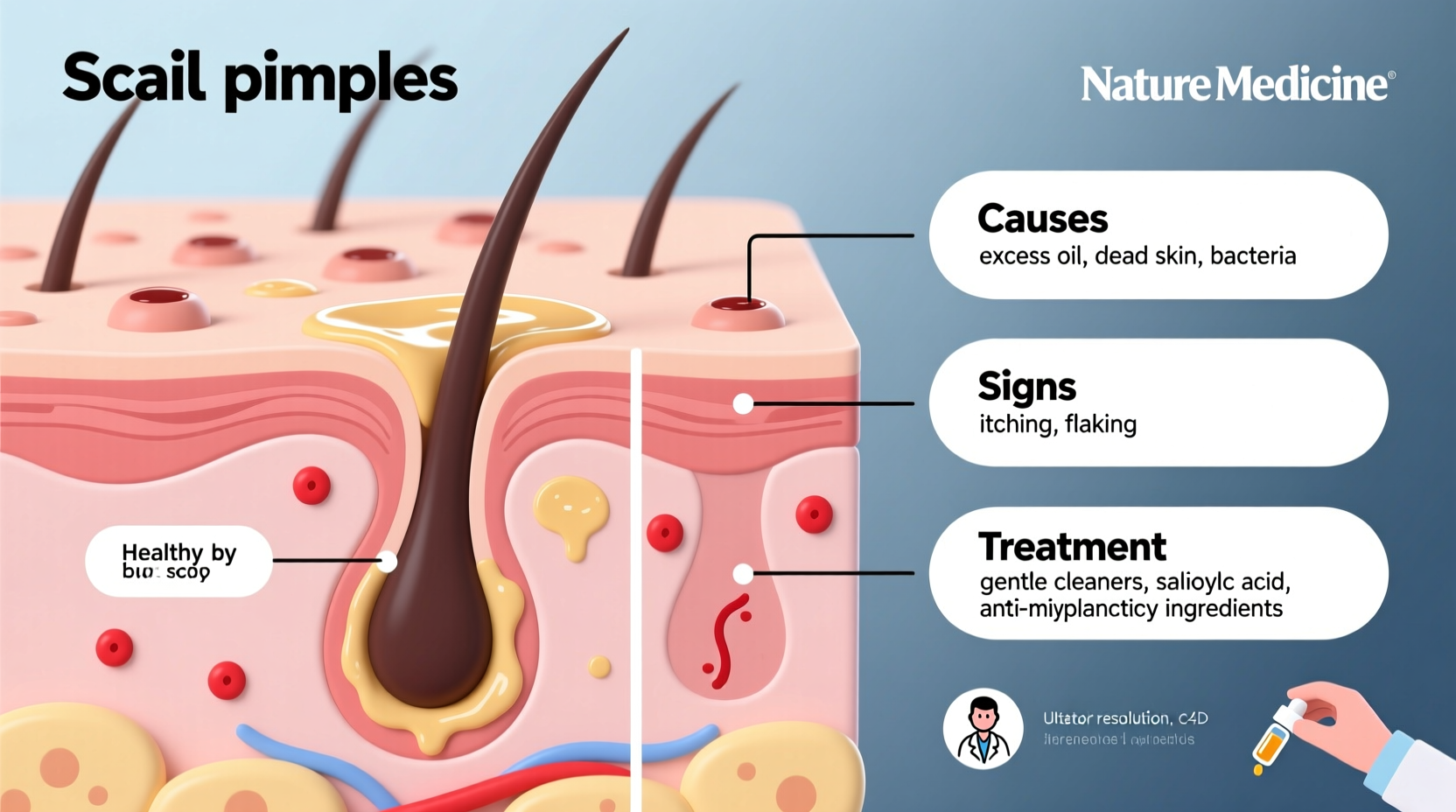
Scalp acne forms when hair follicles become blocked by oil, dead skin cells, or debris. Once clogged, bacteria—particularly Propionibacterium acnes—can multiply, leading to inflammation and pimple formation. Several factors increase the risk:
- Excess sebum production: Hormonal fluctuations, especially during puberty, menstruation, or stress, can trigger overactive oil glands.
- Poor scalp hygiene: Infrequent washing allows oil, sweat, and product buildup to accumulate.
- Heavy hair products: Oils, gels, and sprays can coat the scalp and block pores.
- Dandruff or seborrheic dermatitis: This condition causes flaking and inflammation, creating an environment conducive to pimples.
- Tight headwear: Hats, helmets, or headbands trap heat and sweat, irritating follicles.
- Hormonal imbalances: Conditions like polycystic ovary syndrome (PCOS) are linked to increased scalp and body acne.
Common Types of Scalp Blemishes
Not all bumps on the scalp are acne. Identifying the type helps determine the right treatment:
| Blemish Type | Description | Recommended Action |
|---|---|---|
| Whiteheads/Blackheads | Small, non-inflammatory clogged pores; whiteheads are closed, blackheads open. | Gentle exfoliation with salicylic acid. |
| Pustules | Red, inflamed bumps with visible pus. | Topical benzoyl peroxide or antiseptic washes. |
| Papules | Firm, red, tender bumps without pus. | Anti-inflammatory ingredients like tea tree oil or niacinamide. |
| Folliculitis | Infection of hair follicles, often caused by bacteria or fungi. | Antimicrobial shampoos (e.g., ketoconazole or chlorhexidine). |
| Cysts/Nodules | Deep, painful lumps beneath the skin; may require medical treatment. | Consult a dermatologist for corticosteroid injections or oral medication. |
“Scalp acne is often misdiagnosed as dandruff. But treating it like dandruff can worsen the condition if the underlying cause is bacterial or hormonal.” — Dr. Lena Patel, Board-Certified Dermatologist
How to Treat Scalp Pimples: A Step-by-Step Guide
Effective treatment depends on severity and cause. For mild to moderate cases, a consistent at-home regimen can yield significant improvement within 4–6 weeks.
- Wash regularly with a medicated shampoo. Use a clarifying shampoo containing salicylic acid, sulfur, or benzoyl peroxide every 2–3 days. Leave it on the scalp for 3–5 minutes before rinsing to allow active ingredients to penetrate.
- Exfoliate weekly. Use a scalp scrub or brush to remove dead skin and unclog follicles. Avoid harsh scrubs that can irritate sensitive skin.
- Switch to non-comedogenic hair products. Look for labels that say “oil-free” or “won’t clog pores.” Avoid heavy silicones like dimethicone near the roots.
- Avoid scratching or picking. This spreads bacteria and increases the risk of scarring or infection.
- Rinse after sweating. If you exercise or wear hats frequently, rinse your scalp with water or use a gentle co-wash to remove sweat and debris.
- Consider topical treatments. Apply diluted tea tree oil (5% in carrier oil) or over-the-counter acne creams with benzoyl peroxide directly to affected areas.
- See a dermatologist if symptoms persist. Persistent, painful, or spreading pimples may require prescription-strength treatments such as topical retinoids, antibiotics, or spironolactone for hormonal cases.
Real-Life Example: Managing Chronic Scalp Acne
Sarah, a 28-year-old fitness instructor, struggled with recurring scalp bumps behind her ears and along her hairline. She wore a helmet daily for cycling classes and used thick styling creams to manage frizz. After months of ineffective dandruff shampoos, she consulted a dermatologist. The diagnosis? Folliculitis aggravated by product buildup and friction.
Her treatment plan included switching to a lightweight mousse, washing with a 2% salicylic acid shampoo three times a week, and applying a nightly antiseptic lotion. Within five weeks, her scalp cleared significantly. She now keeps a travel-sized clarifying shampoo in her gym bag to rinse after intense workouts.
Sarah’s case highlights how lifestyle habits and product choices play a crucial role in scalp health—and how targeted changes can resolve persistent issues.
Prevention Checklist
Preventing scalp pimples is easier than treating them. Follow this actionable checklist to maintain a healthy scalp:
- ✅ Wash your hair regularly based on your hair type (oily scalps may need every other day).
- ✅ Choose lightweight, non-comedogenic styling products.
- ✅ Clean hats, helmets, and pillowcases weekly.
- ✅ Avoid sharing combs, brushes, or hair tools.
- ✅ Rinse hair after swimming to remove chlorine or salt.
- ✅ Manage stress through sleep, exercise, and mindfulness—stress worsens hormonal acne.
- ✅ Stay hydrated and eat a balanced diet low in refined sugars, which can spike insulin and increase oil production.
Frequently Asked Questions
Can dandruff cause scalp pimples?
Yes. Dandruff, especially when linked to seborrheic dermatitis, causes inflammation and flaking that can clog hair follicles and promote bacterial growth. Treating the underlying fungal component with antifungal shampoos (like those containing ketoconazole) often reduces both flaking and breakouts.
Is it safe to pop scalp pimples?
No. Popping pimples on the scalp increases the risk of infection, scarring, and hair loss. The area is harder to keep clean, and squeezing can push bacteria deeper into the follicle. Let pimples heal naturally or seek professional extraction if necessary.
Can hormonal birth control help with scalp acne?
In some cases, yes. Combination oral contraceptives containing estrogen and progestin can reduce androgen activity, which lowers sebum production. However, results vary, and certain progestins may worsen acne. Always consult a healthcare provider before starting hormonal therapy for skin concerns.
When to See a Doctor
While most scalp pimples respond to home care, certain signs indicate the need for medical attention:
- Pimples that are large, hard, or deeply embedded
- Signs of infection (increasing pain, warmth, pus, fever)
- Spreading rash or hair loss in patches
- No improvement after 6–8 weeks of consistent treatment
A dermatologist may prescribe stronger treatments such as topical antibiotics (clindamycin), oral antibiotics (doxycycline), isotretinoin for severe cystic acne, or steroid injections to reduce inflammation quickly.
Final Thoughts: Take Control of Your Scalp Health
Scalp pimples are more than a cosmetic concern—they’re a signal that your scalp environment needs attention. Whether triggered by products, hormones, or hygiene habits, the solution lies in consistency and informed choices. Start with gentle cleansing, eliminate pore-clogging ingredients, and monitor how your scalp responds. Small adjustments can lead to dramatic improvements in comfort, appearance, and confidence.




 浙公网安备
33010002000092号
浙公网安备
33010002000092号 浙B2-20120091-4
Comments
No comments yet. Why don't you start the discussion?