
In recent years, a growing number of health professionals and nutrition researchers have raised serious questions about the safety of seed oils—common ingredients in processed foods, restaurant cooking, and even home kitchens. Once hailed as heart-healthy alternatives to saturated fats, oils like soybean, corn, sunflower, and canola are now under scrutiny for their potential role in chronic inflammation, metabolic dysfunction, and long-term disease risk. Understanding why seed oils may be harmful requires examining their processing methods, fatty acid composition, and real-world impact on human physiology.
The Rise and Ubiquity of Seed Oils
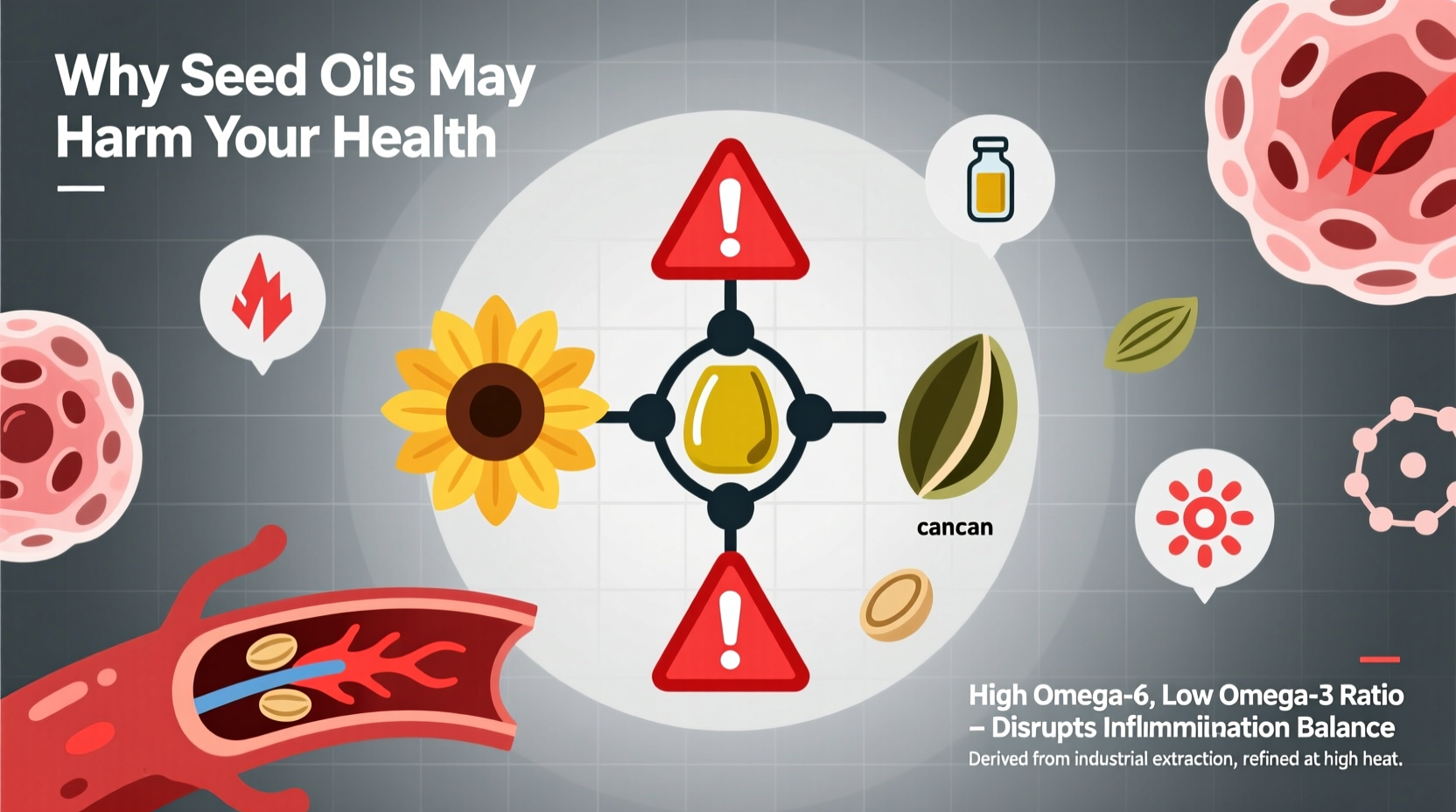
Seed oils became popular in the 20th century as part of a broader shift toward low-fat diets. Public health campaigns encouraged replacing butter, lard, and tallow with vegetable oils, based on early studies linking saturated fat to heart disease. As a result, industrial seed oils—extracted from seeds like soybeans, cottonseeds, and sunflowers—became staples in processed food manufacturing.
Today, these oils dominate supermarket shelves and fast food fryers. They’re found in salad dressings, baked goods, chips, margarine, and nearly every packaged product with a long shelf life. Their high smoke point and neutral flavor make them attractive for commercial use, but their widespread consumption has coincided with rising rates of obesity, diabetes, and cardiovascular disease.
What Are Seed Oils?
Seed oils are refined fats extracted from plant seeds using high heat, chemical solvents (like hexane), and extensive processing. Common examples include:
- Soybean oil
- Corn oil
- Canola oil
- Sunflower oil
- Safflower oil
- Cottonseed oil
- Grain oils (e.g., rice bran oil)
Unlike traditional fats such as olive oil, coconut oil, or animal fats, which can be minimally processed, most seed oils undergo deodorization, bleaching, and hydrogenation—processes that alter their natural structure and stability.
The Science Behind the Concerns
The primary concern with seed oils lies in their high concentration of omega-6 polyunsaturated fatty acids (PUFAs), particularly linoleic acid. While omega-6 fats are essential in small amounts, excessive intake disrupts the body’s omega-6 to omega-3 balance—a ratio that plays a critical role in regulating inflammation.
Historically, humans consumed omega-6 and omega-3 fats in a ratio close to 1:1 or 2:1. Today, that ratio often exceeds 15:1 due to the overuse of seed oils. This imbalance promotes a pro-inflammatory state linked to numerous chronic conditions.
“Chronic overconsumption of omega-6 fatty acids, especially from refined seed oils, is one of the most significant dietary drivers of systemic inflammation.” — Dr. Chris Knobbe, ophthalmologist and founder of the Cure AMD Foundation
Oxidative Stress and Lipid Peroxidation
Polyunsaturated fats are inherently unstable when exposed to heat, light, and oxygen. During both industrial processing and home cooking, seed oils can oxidize, forming harmful compounds like aldehydes and lipid peroxides. These substances damage cells, contribute to arterial plaque formation, and may increase cancer risk.
Frying with seed oils—common in restaurants—amplifies this risk. One study found that repeatedly heated sunflower oil produced levels of toxic aldehydes exceeding safety limits by up to 20 times.
Health Risks Associated with Seed Oils
Emerging research suggests a strong correlation between high seed oil intake and several modern diseases:
- Heart Disease: Despite being marketed as “heart-healthy,” some clinical trials show increased mortality from cardiovascular events when replacing saturated fats with omega-6-rich seed oils.
- Obesity and Insulin Resistance: Animal studies demonstrate that high-linoleic acid diets lead to weight gain and impaired glucose metabolism, independent of calorie intake.
- Non-Alcoholic Fatty Liver Disease (NAFLD): Excess linoleic acid is stored in the liver and contributes to fat accumulation and inflammation.
- Neurodegenerative Conditions: Oxidized byproducts of PUFA breakdown have been found in brain tissue associated with Alzheimer’s and Parkinson’s diseases.
- Autoimmune Disorders: Chronic inflammation driven by poor fatty acid balance may exacerbate conditions like rheumatoid arthritis and inflammatory bowel disease.
Real-World Example: The Margarine Paradox
In the mid-20th century, margarine—made primarily from hydrogenated seed oils—was promoted as a healthier alternative to butter. Decades later, it became clear that trans fats in margarine significantly increased heart disease risk. Though many brands have since removed trans fats, modern margarines still rely heavily on refined seed oils. This illustrates how well-intentioned dietary advice, based on incomplete science, can lead to unintended public health consequences.
Comparing Fats: A Practical Guide
Not all dietary fats are created equal. Choosing stable, minimally processed fats supports metabolic health and reduces oxidative stress. Below is a comparison of common cooking fats:
| Fat Type | Omega-6 Content | Smoke Point | Processing Level | Best Use |
|---|---|---|---|---|
| Soybean Oil | High (~50%) | Medium (230°F) | Highly refined | Avoid |
| Canola Oil | Moderate (~20%) | Medium-High (400°F) | Refined | Limited use |
| Olive Oil (extra virgin) | Low (~10%) | Low-Medium (320°F) | Minimal | Salads, low-heat cooking |
| Avocado Oil (true EVOO) | Low (~13%) | High (520°F) | Minimal (if unrefined) | Sautéing, roasting |
| Coconut Oil | Very low (~2%) | Medium (350°F) | Minimal | Baking, medium-heat cooking |
| Tallow / Lard | Low (~3–10%) | High (400°F+) | None (if rendered traditionally) | Frying, searing |
Action Plan: Reducing Seed Oil Exposure
Eliminating seed oils doesn’t require drastic lifestyle changes. Start with practical steps to reduce exposure while improving overall diet quality.
- Read Labels: Avoid products listing soybean, corn, cottonseed, or “vegetable oil” in the ingredients.
- Cook at Home: Prepare meals using safe fats like olive oil, avocado oil, butter, ghee, or animal fats.
- Avoid Fast Food: Most chains fry in seed oils. Limit consumption or choose grilled options.
- Choose Whole Foods: Minimize processed snacks, cookies, crackers, and frozen meals—all common sources of hidden seed oils.
- Use Quality Alternatives: Replace margarine with grass-fed butter; swap store-bought dressings for homemade versions with olive oil and vinegar.
Checklist: How to Identify Hidden Seed Oils
- ✅ Scan ingredient lists for “soybean,” “corn,” “canola,” “sunflower,” or “vegetable oil”
- ✅ Avoid “low-fat” or “cholesterol-free” products—they often contain more seed oils
- ✅ Choose full-fat dairy over reduced-fat versions with added fillers
- ✅ Buy nuts and seeds raw or dry-roasted (not oil-roasted)
- ✅ Make your own sauces and condiments to control ingredients
Frequently Asked Questions
Are all vegetable oils bad?
No—not all vegetable oils are problematic. The term “vegetable oil” is misleading because it usually refers to seed oils. True vegetable oils like extra virgin olive oil or avocado oil (from the fruit, not the seed) are nutritious and safe when used appropriately.
Is canola oil really that bad?
Modern canola oil is lower in omega-6 than other seed oils, but it’s still highly processed using heat and chemicals. Cold-pressed, organic varieties are better but rare. For regular use, less processed fats like olive or avocado oil are superior choices.
Can I reverse the effects of long-term seed oil consumption?
Yes. The body repairs itself when given the right nutrients. Reducing omega-6 intake, increasing omega-3s (from fatty fish, flaxseeds, or supplements), and consuming antioxidant-rich whole foods can help restore balance over time.
Conclusion: Reclaiming Control Over Your Fat Intake
The narrative around dietary fats has shifted dramatically over the past century—and it’s time to reevaluate the role of seed oils in modern diets. While they were once considered harmless or even beneficial, mounting evidence points to their contribution to chronic inflammation and metabolic disease. By understanding what seed oils are, how they affect the body, and where they hide in the food supply, you can make informed choices that support long-term health.
You don’t need perfection—just awareness and consistency. Start by swapping out one processed item for a whole-food alternative. Cook one extra meal at home this week. Read one label before buying a new product. Small changes compound into lasting benefits. Your body responds to the quality of the fats you consume, not just the quantity. Choose wisely.




 浙公网安备
33010002000092号
浙公网安备
33010002000092号 浙B2-20120091-4
Comments
No comments yet. Why don't you start the discussion?