
A sensitive scalp affects millions of people worldwide, often leading to discomfort, embarrassment, and persistent irritation. Unlike general skin sensitivity, scalp sensitivity can be harder to manage due to constant exposure to hair products, environmental factors, and styling practices. Recognizing the underlying causes and identifying symptoms early are crucial steps in finding lasting relief. This guide explores the science behind scalp sensitivity, breaks down common triggers, and offers practical, dermatologist-backed strategies to soothe and protect your scalp.
Understanding Scalp Sensitivity: What It Really Means
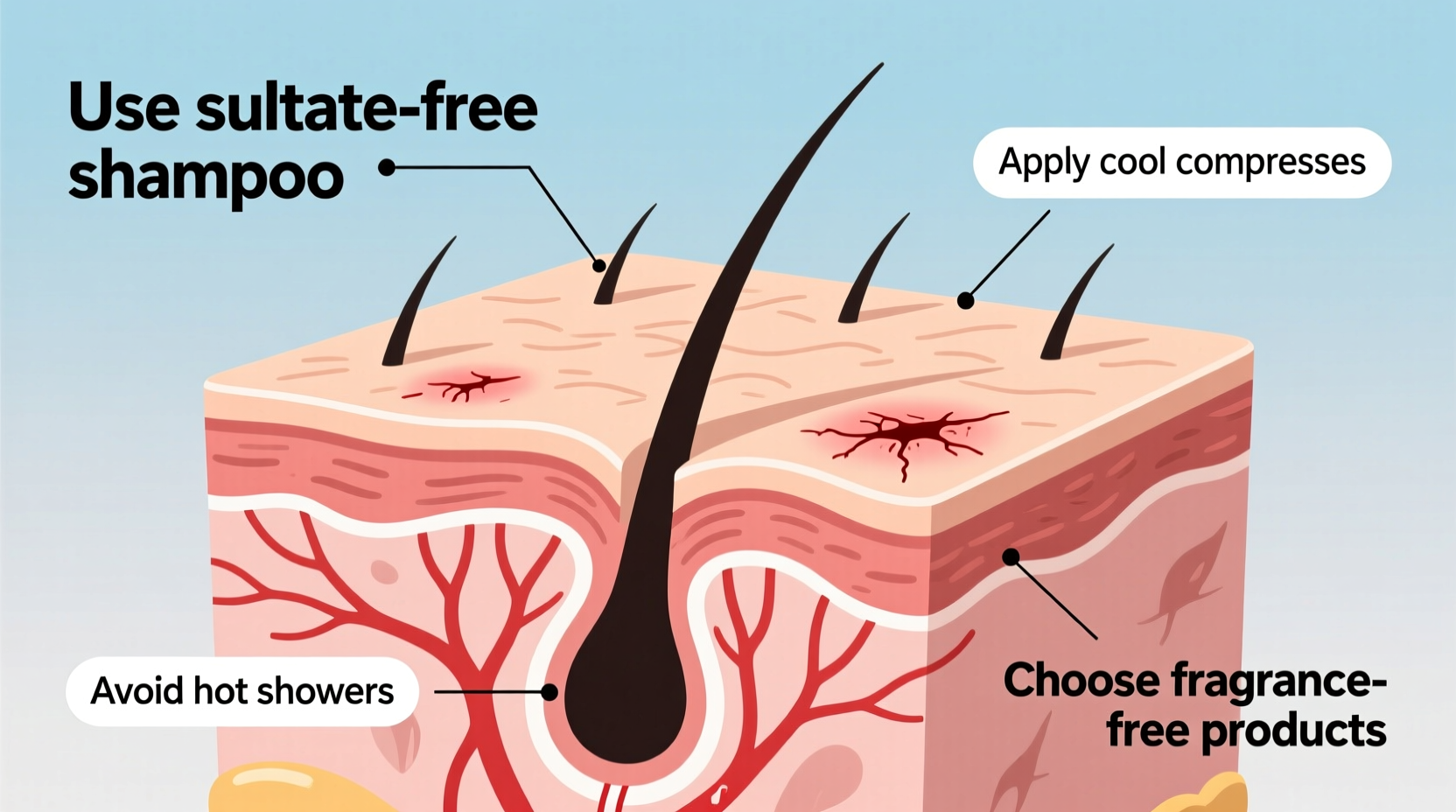
Scalp sensitivity occurs when the skin on your head reacts negatively to internal or external stimuli. This reaction may manifest as itching, burning, redness, flaking, or even pain. While occasional irritation is normal, chronic sensitivity indicates an imbalance in the scalp’s protective barrier—often linked to inflammation, nerve hyperactivity, or microbial overgrowth.
The scalp contains a high density of sebaceous glands and nerve endings, making it particularly reactive. When the skin’s natural lipid barrier is compromised, irritants penetrate more easily, triggering inflammatory responses. This condition is not limited to those with pre-existing skin disorders; even individuals with otherwise healthy skin can develop sensitivity due to lifestyle or product use.
“Scalp sensitivity isn’t just about dryness or dandruff—it’s often a sign of neurogenic inflammation, where nerve fibers react excessively to minor triggers.” — Dr. Lena Torres, Dermatologist & Trichology Specialist
Common Causes of a Sensitive Scalp
Identifying the root cause is essential for effective treatment. Below are the most frequent contributors to scalp sensitivity:
- Harsh Hair Products: Sulfates, alcohol, synthetic fragrances, and certain preservatives (like parabens) can strip natural oils and trigger allergic reactions.
- Overwashing: Washing too frequently disrupts the scalp’s pH balance and microbiome, increasing vulnerability to irritation.
- Skin Conditions: Conditions such as seborrheic dermatitis, psoriasis, eczema, and fungal infections like pityriasis versicolor directly affect scalp health.
- Environmental Stressors: UV radiation, pollution, hard water, and extreme temperatures weaken the scalp barrier.
- Stress and Hormonal Changes: Elevated cortisol levels can increase oil production and inflammation, exacerbating sensitivity.
- Hair Treatments: Chemical relaxers, bleaching, and heat styling damage both hair and scalp tissue.
- Poor Diet: Deficiencies in zinc, biotin, omega-3 fatty acids, and vitamin B6 impair skin repair and immune function.
Symptoms That Signal a Sensitive Scalp
While some symptoms overlap with other scalp issues, recurring or combined signs likely point to sensitivity:
| Symptom | Description | When to Be Concerned |
|---|---|---|
| Itching | Intermittent or constant urge to scratch | If it persists beyond a few days or worsens at night |
| Burning or Stinging | Sharp, short-lived pain upon product application | Occurs with multiple products, even “gentle” ones |
| Redness | Pink or inflamed patches, especially after washing | Spreading areas or accompanied by swelling |
| Tightness | Feeling of tension or dryness after showering | Lasts more than an hour post-wash |
| Flaking | White or yellowish scales, similar to dandruff | Oily flakes or greasy buildup suggest seborrheic dermatitis |
| Pain or Tenderness | Pain when touching or brushing hair | Localized pain may indicate folliculitis or infection |
Effective Relief Tips for a Soothing Scalp Routine
Managing a sensitive scalp requires consistency, gentle care, and informed product choices. Follow this step-by-step approach to reduce irritation and restore balance:
- Switch to Sulfate-Free, Fragrance-Free Shampoos: Look for formulas labeled “for sensitive scalps” that include soothing ingredients like oat extract, panthenol, or allantoin.
- Limit Washing Frequency: Wash every 2–3 days unless you have oily skin. Over-cleansing removes essential lipids.
- Rinse Thoroughly: Residue from shampoo or conditioner can cause buildup and irritation. Use lukewarm water—not hot.
- Incorporate a Scalp Serum: Use a lightweight, non-comedogenic serum with niacinamide or centella asiatica to calm inflammation.
- Avoid Heat Styling: Minimize flat irons, curling wands, and blow dryers. If necessary, use a heat protectant with minimal additives.
- Wear Loose Hairstyles: Tight ponytails or braids pull on follicles and increase friction-induced irritation.
- Protect Against Environmental Damage: Wear hats in strong sun and rinse hair after swimming in chlorinated or salt water.
Mini Case Study: Recovering From Post-Color Sensitivity
Maria, a 34-year-old graphic designer, began experiencing intense scalp stinging and flaking two weeks after highlighting her hair. She initially assumed it was dandruff and used an anti-dandruff shampoo, which worsened the burning. After consulting a trichologist, she learned her scalp barrier had been compromised by bleach and repeated use of a fragrance-heavy styling mousse.
Her treatment plan included a six-week regimen: switching to a micellar water-based cleanser, using a ceramide-rich scalp mask twice weekly, and pausing all chemical treatments. Within three weeks, her symptoms reduced significantly. By week six, her scalp was no longer reactive, and she resumed mild coloring with a low-ammonia formula and pre-treatment oiling.
Do’s and Don’ts: Quick Reference Checklist
Use this checklist to avoid common pitfalls and build a scalp-friendly routine:
| Do’s | Don’ts |
|---|---|
| Use lukewarm water for rinsing | Use hot water, which strips natural oils |
| Choose shampoos with minimal ingredient lists | Use heavily fragranced or colored products |
| Massage gently with fingertips (not nails) | Scratch aggressively, which damages skin |
| Let hair air-dry when possible | Blow-dry on high heat daily |
| Cleanse brushes and combs weekly | Share hats or hair tools without sanitizing |
Frequently Asked Questions
Can stress really make my scalp more sensitive?
Yes. Chronic stress increases cortisol, which can trigger inflammation and disrupt the skin’s barrier function. This makes the scalp more prone to irritation and slows healing. Mindfulness practices, adequate sleep, and exercise can help regulate stress-related flare-ups.
Is it safe to exfoliate a sensitive scalp?
Only with caution. Physical scrubs can aggravate inflamed skin. Instead, opt for a gentle chemical exfoliant containing salicylic acid (0.5–1%) once a week. Avoid use if you have open sores or active rashes.
How long does it take for a sensitive scalp to heal?
With consistent care, improvement is typically seen within 2–4 weeks. Full recovery may take 6–8 weeks, depending on the severity and adherence to a gentle routine. Persistent symptoms warrant professional evaluation.
Take Control of Your Scalp Health Today
A sensitive scalp doesn’t have to be a lifelong burden. With the right knowledge and habits, most people experience significant improvement—and often complete resolution—of their symptoms. The key lies in treating the scalp as delicate skin that deserves protection, nourishment, and mindful care. Start by auditing your current products, eliminating known irritants, and introducing one soothing change at a time. Track your progress, listen to your body, and don’t hesitate to seek expert advice when needed.




 浙公网安备
33010002000092号
浙公网安备
33010002000092号 浙B2-20120091-4
Comments
No comments yet. Why don't you start the discussion?