
Spinach is one of the most nutrient-dense leafy greens available, packed with vitamins A, C, and K, iron, folate, and antioxidants. Yet despite its widespread presence in salads, smoothies, sautés, and soups, confusion persists about how much constitutes a proper serving versus what people actually consume in a single portion. Understanding the distinction between serving size—a standardized measurement used for nutritional labeling—and portion—the amount an individual chooses to eat—is essential for balanced eating, meal planning, and managing dietary goals. This guide clarifies official guidelines, real-world applications, and practical kitchen techniques for measuring and using spinach effectively.
Definition & Overview
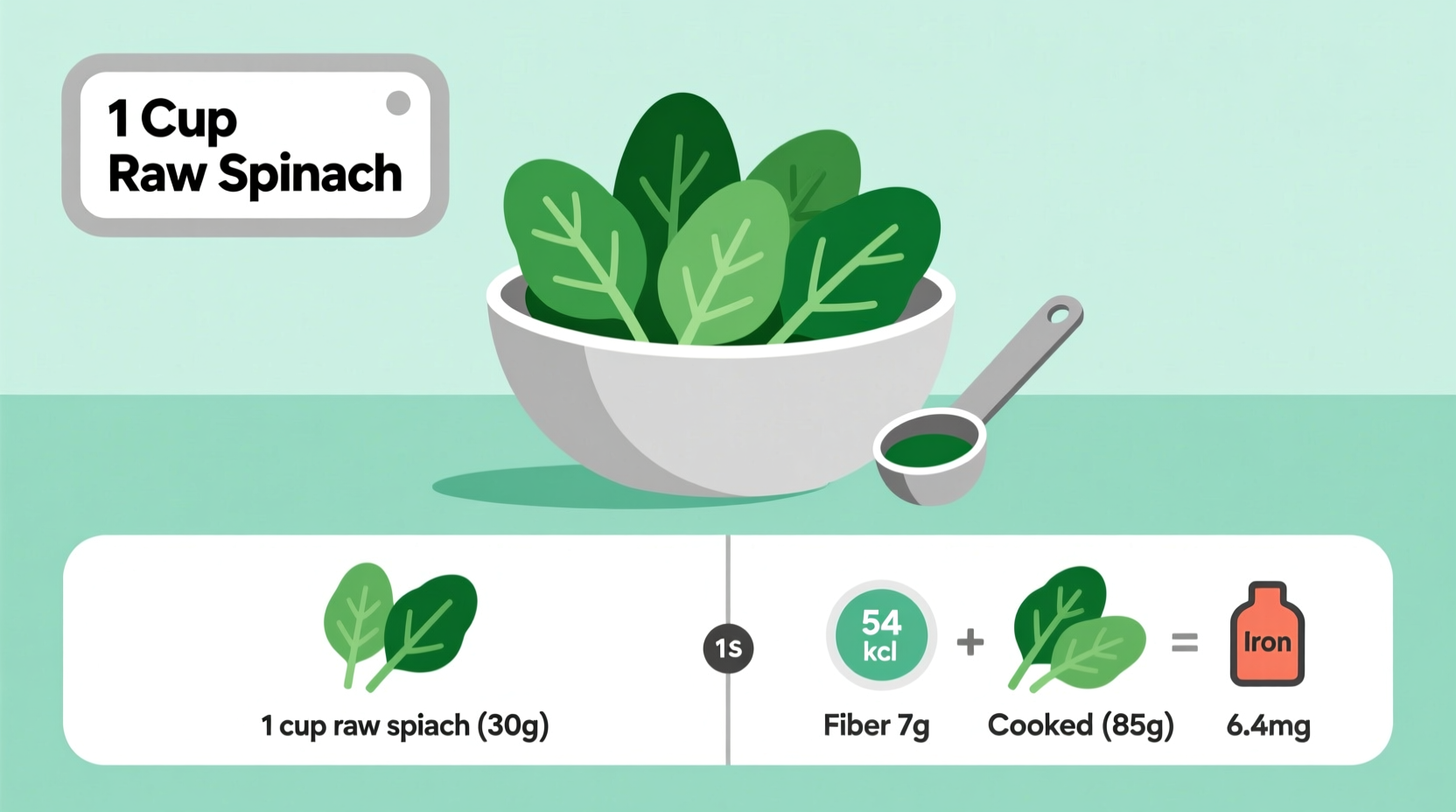
Spinach (Spinacia oleracea) is a cool-season leafy green vegetable native to Central and Western Asia. It belongs to the Amaranthaceae family and has been cultivated for over 2,000 years, gaining popularity in Mediterranean, Middle Eastern, and modern Western cuisines. Known for its tender texture and mild, slightly earthy flavor, spinach is consumed raw or cooked in a wide range of dishes—from simple side preparations to complex casseroles and stuffed pastas.
Nutritionally, spinach is low in calories but high in fiber, water content, and micronutrients. Its deep green color comes from chlorophyll and carotenoids like lutein and beta-carotene, which support eye health and immune function. Because spinach cooks down dramatically due to its high moisture content (approximately 91–93%), the volume difference between raw and cooked forms significantly affects perceived portion sizes.
Key Characteristics of Spinach
| Characteristic | Description |
|---|---|
| Flavor Profile | Mild, slightly sweet when young; more earthy and mineral-like when mature or cooked. |
| Aroma | Fresh, grassy, clean—especially in raw leaves. Cooked spinach has a subtle vegetal scent. |
| Color & Form | Bright to dark green, crinkled or flat leaves depending on variety. Sold loose, bunched, pre-washed, or frozen. |
| Heat Level | None. Not spicy or pungent. |
| Culinary Function | Adds bulk, nutrients, color, and moisture to dishes. Acts as base green in salads, filler in fillings, thickener in purees. |
| Shelf Life | 3–7 days refrigerated (raw, fresh); up to 10 months frozen. Degrades quickly if damp or bruised. |
Standard Serving Size vs. Actual Portion: What’s the Difference?
The term serving size refers to a regulated, standardized amount used by food manufacturers and nutritionists to provide consistent calorie and nutrient information. In contrast, a portion is the quantity someone serves themselves at a meal, which can vary widely based on appetite, culture, recipe, or context.
According to the U.S. Department of Agriculture (USDA), one standard serving of raw spinach is:
- 1 cup raw spinach (about 30 grams)
- ½ cup cooked spinach (about 90 grams after reduction)
This means that when you see “1 serving = 1 cup” on a nutrition label or dietary chart, it refers specifically to loosely packed, raw spinach—roughly the volume of an average-sized fist. However, because spinach wilts to about one-seventh of its original volume when cooked, a cup of raw leaves becomes approximately 2–3 tablespoons once heated. Therefore, consuming two cups of cooked spinach equates to roughly 14 cups of raw spinach by volume before cooking—a significant difference that impacts both nutrient intake and satiety.
Pro Tip: When tracking your vegetable intake, remember that cooking reduces volume but concentrates nutrients. One serving of cooked spinach contains more iron and calcium than the same number of servings raw—because it takes many raw leaves to make a half-cup cooked.
Variants & Types of Spinach and Their Serving Implications
Not all spinach is created equal. Different types affect how much you should use per serving, how it cooks down, and how it fits into meals.
1. Baby Spinach
Grown and harvested early, baby spinach features small, tender leaves with a delicate flavor. It's typically sold pre-washed in clamshells or bags. Ideal for raw applications such as salads, sandwiches, and smoothies.
- Serving note: Lighter and less fibrous; 1 cup weighs closer to 25–30g. Slightly lower in fiber and minerals than mature spinach.
- Kitchen use: Requires no chopping. Can be eaten whole.
2. Mature (Full-Size) Spinach
Features larger, darker, crinkled leaves with tougher stems. Often sold in bunches. Better suited for cooking due to higher yield loss during wilting.
- Serving note: Heavier per cup (up to 35g). Contains more oxalic acid, which binds some minerals but breaks down with heat.
- Kitchen use: Stems may need trimming. Should be washed thoroughly due to grit retention in crevices.
3. Frozen Spinach
Pasteurized, blanched, and flash-frozen at peak freshness. Available chopped or in blocks. Commonly used in dips, sauces, casseroles, and baked dishes.
- Serving note: ½ cup cooked serving = ~4 ounces (113g) drained frozen spinach. Much denser than fresh.
- Kitchen use: Always thaw and squeeze out excess liquid before use to prevent sogginess.
4. Dehydrated or Freeze-Dried Spinach
Used primarily in supplements, powders, or instant meals. Extremely concentrated.
- Serving note: 1 tablespoon powder ≈ ½ cup cooked spinach nutritionally. Rehydrate carefully.
- Kitchen use: Blend into smoothies, soups, or grain dishes for added nutrients without altering texture.
| Type | Raw Volume per Serving | Cooked Yield | Best Use Case |
|---|---|---|---|
| Baby Spinach | 1 cup (≈30g) | ~3 Tbsp | Salads, wraps, smoothies |
| Mature Spinach | 1 cup (≈35g) | ~2–3 Tbsp | Sautéing, soups, stews |
| Frozen Spinach | N/A (pre-cooked) | ½ cup = 4 oz block (drained) | Dips, casseroles, pasta fillings |
| Spinach Powder | 1–2 tsp | Reconstituted as needed | Nutrient boosting, baking |
Practical Usage: How to Measure and Apply Spinach in Everyday Cooking
Knowing the correct serving size helps home cooks balance meals, manage caloric intake, and ensure adequate vegetable consumption. Here’s how to apply this knowledge across common scenarios.
Measuring Raw Spinach Accurately
For precise measurement:
- Loosely pack fresh spinach into a dry measuring cup—do not compress.
- If using baby spinach from a bag, pour rather than scoop to avoid compaction.
- Weigh with a kitchen scale for accuracy: aim for 30 grams per raw cup.
Example: To prepare a salad with three servings of vegetables, include 3 cups of raw spinach (90g), then supplement with other non-starchy veggies like cucumbers, bell peppers, or radishes.
Cooking Down Spinach: Managing Volume Loss
When sautéing or steaming spinach, plan for shrinkage. As a rule:
- 6 cups raw spinach → yields about 1 cup cooked
- 1 pound raw spinach (454g) → yields about 1¼ cups cooked
This ratio is critical when following recipes. For instance, “add 1 cup cooked spinach” may require purchasing and prepping over 6 cups raw—especially important when shopping for family meals or batch cooking.
Incorporating Into Recipes: Real-World Applications
Smoothies
Add 1–2 cups raw spinach (1–2 servings) per smoothie. The mild flavor blends seamlessly with fruits like banana, pineapple, or mango. No need to cook first—nutrients remain intact.
Omelets & Frittatas
Sauté 1 cup raw spinach until wilted (yields ~2–3 Tbsp), then mix into eggs. Enhances color, texture, and nutrition without overpowering taste.
Pasta Dishes
Toss 1–2 cups raw spinach into hot pasta during the last minute of cooking. Residual heat wilts it perfectly. One serving per person maintains balance without making the dish watery.
Lasagna & Casseroles
Use thawed, squeezed frozen spinach (½ cup per serving) mixed into ricotta or layered between noodles. Prevents excess moisture release during baking.
Expert Technique: To maximize nutrient absorption, pair spinach with a source of fat (e.g., olive oil, avocado, cheese) and vitamin C (e.g., lemon juice, tomatoes). Fat increases uptake of fat-soluble vitamins (A, E, K), while vitamin C enhances non-heme iron absorption from the plant-based iron in spinach.
Comparison with Similar Leafy Greens
Spinach is often compared to other dark leafy greens. While interchangeable in some recipes, each has distinct characteristics affecting serving size and nutritional impact.
| Green | Raw Serving Size | Cooked Yield | Flavor Comparison | Nutritional Distinction |
|---|---|---|---|---|
| Spinach | 1 cup raw (30g) | High reduction (~7:1) | Mild, slightly sweet | High in vitamin K, folate, iron (moderate bioavailability) |
| Kale | 1 cup raw (67g) | Moderate reduction (~3:1) | Bitter, robust, fibrous | Higher in vitamin C and calcium; tougher texture requires massaging or long cooking |
| Swiss Chard | 1 cup raw (36g) | Moderate reduction (~4:1) | Earthy, slightly salty | Contains magnesium and potassium; colorful stems add visual appeal |
| Arugula | 1 cup raw (20g) | Rarely cooked; minimal reduction | Pungent, peppery | Lower in iron but adds bold flavor to salads and pizzas |
| Collard Greens | 1 cup raw (55g) | High reduction (~6:1) | Strong, cabbage-like | Very high in calcium and fiber; traditionally slow-cooked |
\"Many people think they're eating large amounts of greens when tossing a handful of kale into a salad—but ounce for ounce, spinach offers greater volume with gentler flavor, making it ideal for increasing overall vegetable intake without resistance.\" — Dr. Lena Torres, Registered Dietitian and Culinary Nutrition Specialist
Practical Tips & FAQs
Q: Is it possible to eat too much spinach?
A: While rare, excessive consumption (typically multiple large servings daily over weeks) may pose concerns due to oxalates, which can contribute to kidney stone formation in susceptible individuals. Those with a history of calcium-oxalate stones should moderate intake and pair spinach with calcium-rich foods to reduce oxalate absorption.
Q: Can I substitute frozen for fresh spinach in recipes?
A: Yes, but adjust for moisture. Use 1 cup drained frozen spinach for every 1 cup cooked fresh. Always squeeze frozen spinach in a clean towel to remove water before adding to dishes.
Q: How do I store fresh spinach to extend shelf life?
A: Keep unopened bags or containers in the crisper drawer at 32–36°F (0–2°C). Once opened, transfer to an airtight container lined with paper towels to absorb excess moisture. Avoid washing until ready to use.
Q: Does cooking destroy nutrients in spinach?
A: Some water-soluble vitamins (like vitamin C) decrease with heat, but others become more bioavailable. Cooking breaks down cell walls, releasing bound nutrients like beta-carotene and improving iron and calcium absorption. Steaming or quick sautéing preserves more nutrients than boiling.
Q: How many servings of spinach should I eat per day?
A: There is no strict upper limit for healthy adults. The Dietary Guidelines for Americans recommend 1½ to 2 cups of dark green vegetables per week. One cup of spinach counts as 1 cup toward that goal. Regular inclusion—as one or two servings several times a week—is both safe and beneficial.
Q: Can I rely on spinach powder as a serving of vegetables?
A: While nutrient-concentrated, powdered spinach lacks the fiber and full matrix of phytonutrients found in whole leaves. Best used as a supplement, not a replacement. Consider 1 tsp powder equivalent to about ¼ serving of cooked spinach.
Checklist: Smart Spinach Practices
- Measure raw spinach by volume or weight for accurate serving tracking.
- Account for 6:1 raw-to-cooked reduction when planning meals.
- Pair with fats and vitamin C to boost nutrient absorption.
- Squeeze frozen spinach thoroughly before use.
- Store fresh spinach dry and cold to prevent spoilage.
- Rotate between spinach and other greens for dietary diversity.
Summary & Key Takeaways
Understanding the serving size and portion of spinach empowers better meal planning, nutritional awareness, and culinary precision. A standard serving is 1 cup raw or ½ cup cooked, but actual portions often differ based on preparation and appetite. Baby spinach suits raw applications, while mature and frozen varieties excel in cooked dishes. Due to dramatic volume loss during cooking, always scale up raw quantities accordingly.
Spinach stands out for its versatility, mild flavor, and rich nutrient profile. Unlike stronger greens, it integrates seamlessly into diverse dishes—from breakfast scrambles to dinner casseroles—without dominating taste. When paired wisely with fats and acids, its key nutrients become more accessible to the body.
Ultimately, whether measured by the cup or weighed on a scale, incorporating spinach regularly supports long-term health. By distinguishing between labeled serving sizes and real-world portions, cooks can enjoy this powerhouse green in ways that are both delicious and nutritionally sound.
Next time you reach for spinach, pause to consider: Are you measuring for nutrition, flavor, or volume? Align your choice with your goal—whether building a balanced salad, enriching a sauce, or boosting a smoothie—and let precise portioning elevate your everyday cooking.




 浙公网安备
33010002000092号
浙公网安备
33010002000092号 浙B2-20120091-4
Comments
No comments yet. Why don't you start the discussion?