
Crafting plush toys by hand has seen a resurgence in popularity, with sewing and crocheting emerging as the two dominant methods. Both offer creative freedom, personalization, and the joy of handmade gifts. But for beginners or those deciding between techniques, a key question arises: which method is easier to learn, and which produces a more durable result? The answer depends on skill level, materials, intended use, and personal preference. Understanding the nuances between sewing and crocheting plushies helps crafters make informed choices that align with their goals.
Understanding the Basics: Sewing vs Crocheting Plushies
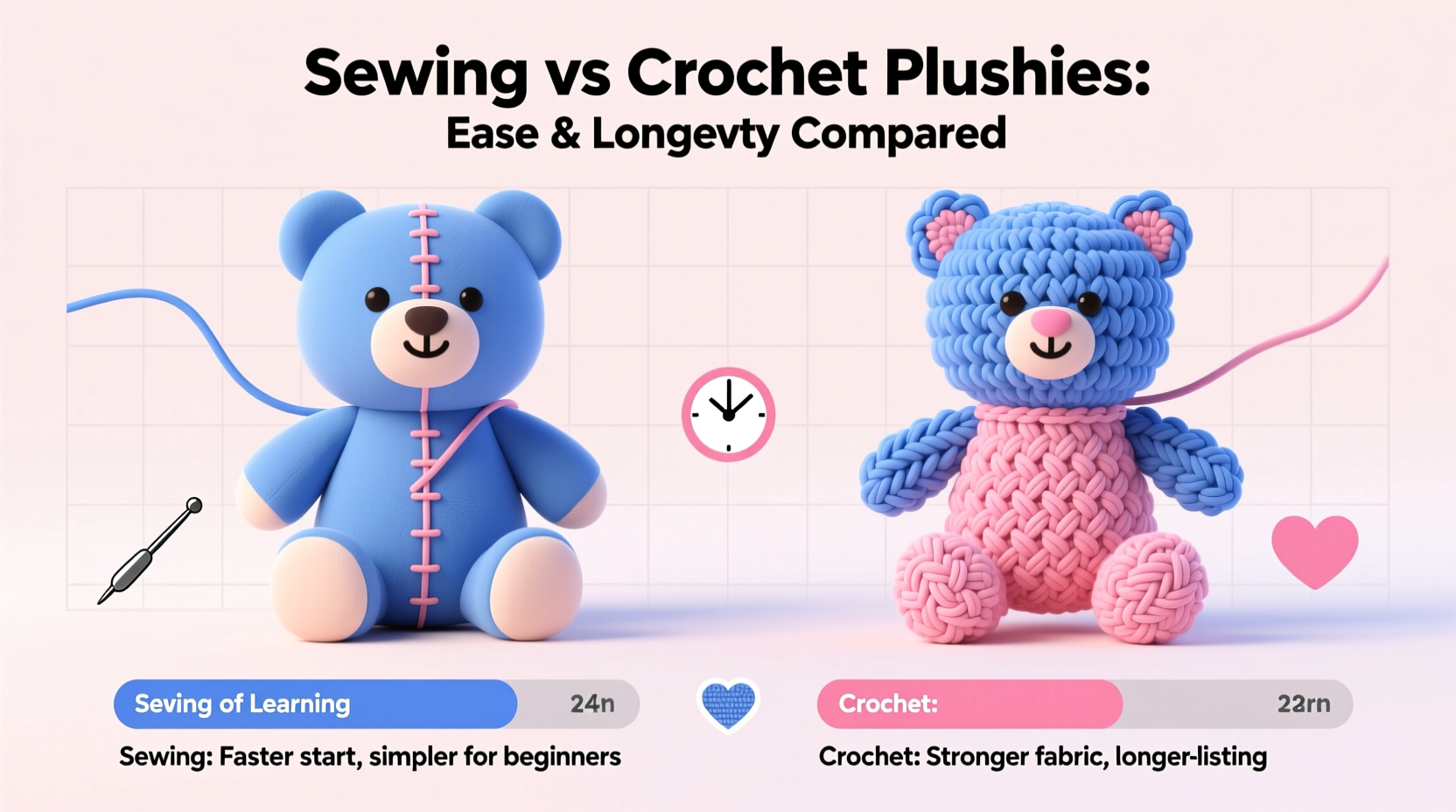
Sewing plushies typically involves cutting fabric pieces—often cotton, fleece, or felt—and stitching them together using either a needle and thread or a sewing machine. The seams are usually turned right-side out, and the toy is stuffed with polyester fiberfill. This method allows for crisp lines, facial features created with embroidery, and the ability to use printed fabrics.
Crocheted plushies, on the other hand, are made entirely from yarn using a crochet hook. The toy is built in rounds or rows, gradually forming a 3D shape through increases and decreases. Amigurumi—the Japanese art of crocheting small stuffed animals—is a popular subset of this craft. These plushies are worked in continuous spirals, often using single crochet stitches, and are stuffed as they grow.
While both crafts produce soft, huggable results, their construction processes differ significantly. Sewing relies on precision cutting and seam alignment, while crocheting demands consistent tension and stitch counting.
Which Is Easier for Beginners?
For absolute beginners, sewing may feel more intuitive. Many people have early experience with needles and thread, and the process of cutting shapes and stitching them together mirrors school-level crafts. Simple sewn plushies can be made with just a few straight seams, minimal stuffing, and basic embroidery for faces.
In contrast, crocheting requires learning foundational stitches—chain, slip stitch, single crochet—before even beginning a plushie. Miscounting stitches or changing tension can distort the shape, leading to frustration. However, once these skills are mastered, crocheting becomes highly repetitive and meditative, allowing for faster progress on subsequent projects.
That said, some beginners find crocheting easier because it doesn’t require pattern drafting or fabric sourcing. A hook and yarn are portable, low-cost entry points. Sewing, especially machine sewing, involves more equipment—scissors, pins, needles, thread, possibly a machine—and space for layout and cutting.
Durability and Longevity: Which Plushie Lasts Longer?
When it comes to longevity, sewn plushies generally last longer under heavy use. Fabric seams, when properly secured with backstitching or zigzag machine stitches, are strong and resistant to tearing. Cotton and fleece hold up well to washing, especially if pre-washed to prevent shrinkage. Machine-sewn seams are particularly durable, making sewn plushies ideal for children who play roughly with toys.
Crocheted plushies, while charming, are more vulnerable to wear. Yarn fibers can snag, stretch, or unravel over time—especially if pets or toddlers pull at loose ends. Stitches may loosen with repeated squeezing, and frequent washing can cause pilling or misshaping. However, tightly crocheted plushies made with durable acrylic yarn and reinforced joins can still endure years of gentle use.
“With proper finishing techniques like weaving in ends securely and using tight gauge, crocheted plushies can be nearly as durable as sewn ones—but they’ll never match the structural integrity of a double-stitched fabric seam.” — Lila Monroe, Textile Artist and Craft Instructor
Comparison Table: Sewing vs Crocheting Plushies
| Factor | Sewing Plushies | Crocheting Plushies |
|---|---|---|
| Beginner-Friendly | Generally easier; uses familiar tools | Steeper initial learning curve |
| Setup Cost | Moderate (fabric, thread, needles, machine optional) | Low (hook + yarn only) |
| Portability | Less portable (requires cutting space) | Highly portable (work anywhere) |
| Durability | High (especially machine-sewn) | Moderate (depends on yarn and tension) |
| Washability | Excellent (machine washable if fabric permits) | Fair (hand wash recommended; can deform) |
| Customization | High (prints, textures, mixed fabrics) | Limited to color changes and embellishments |
| Time Investment | Moderate (cutting + sewing) | High (especially for detailed amigurumi) |
Real-World Example: Two Crafters, Two Paths
Sophie, a mother of two, wanted to make personalized plush toys for her children’s birthdays. She tried crocheting first but struggled with maintaining even tension and found herself frogging (ripping out) the same paw three times. Frustrated, she switched to sewing. Using simple felt patterns and a basic running stitch, she completed two animal friends in an afternoon. Her kids loved them, and after six months of bedtime cuddles and occasional machine washes, the plushies remained intact.
Meanwhile, Marcus, a college student with no prior crafting experience, picked up a crochet hook during lockdown. He started with YouTube tutorials and practiced for weeks before attempting a small dinosaur. His first attempt had a lopsided head, but by his third plushie, his stitches were tight and consistent. Now, he sells amigurumi online. While his plushies aren’t meant for rough play, customers praise their cuteness and craftsmanship.
Their experiences highlight a truth: ease is subjective. Sophie valued speed and simplicity—sewing suited her. Marcus enjoyed the rhythm of crocheting and was willing to invest time—crochet became his medium.
Actionable Checklist: Choosing Your Method
- ✅ Assess your patience: Are you okay with a steeper learning curve for long-term satisfaction?
- ✅ Consider the end user: Will the plushie be played with heavily? Opt for sewing.
- ✅ Evaluate available tools: Do you have access to fabric and a sewing machine? Or just yarn and a hook?
- ✅ Think about customization: Want printed fabrics or realistic details? Sewing offers more options.
- ✅ Test both: Make one simple project in each style before committing.
Care Tips for Extending Plushie Lifespan
No matter which method you choose, proper care extends a plushie’s life. Sewn plushies benefit from occasional spot cleaning and full machine washing in a mesh bag on gentle cycle. Air drying prevents shrinkage.
Crocheted plushies should be hand washed in cool water with mild detergent. Gently squeeze out water without wringing, then lay flat to dry to maintain shape. Store both types away from direct sunlight to prevent fading, and keep them in a dry environment to avoid mildew.
Frequently Asked Questions
Can I combine sewing and crocheting in one plushie?
Yes. Many crafters crochet clothing or accessories for sewn plushies, or sew fabric clothes onto crocheted animals. This hybrid approach leverages the strengths of both techniques.
Which method is faster?
Sewing is generally faster for simple designs. Crocheting takes longer due to the nature of building stitch-by-stitch, though experienced crocheters can work quickly on repetitive patterns.
Are crocheted plushies safe for babies?
Only if made with safety eyes and tightly woven yarn. Avoid loose ends and ensure all parts are securely attached. For infants, sewn plushies with embroidered features (no plastic eyes or noses) are safer.
Final Thoughts: Match the Method to Your Goals
There’s no universal answer to whether sewing or crocheting plushies is “better.” Each has strengths. Sewing wins in durability, ease of entry, and practicality for everyday toys. Crocheting excels in portability, artistic expression, and the meditative rhythm of creation. The choice ultimately depends on your priorities: immediate results and resilience, or gradual mastery and handmade charm.
If you’re new to crafting, try both. You might discover a passion you didn’t expect. And if you’re making a gift, consider who will use it—durability matters for active children, while aesthetic detail might delight a collector.




 浙公网安备
33010002000092号
浙公网安备
33010002000092号 浙B2-20120091-4
Comments
No comments yet. Why don't you start the discussion?