
Ballet flats have long been a staple in wardrobes across the world—elegant, versatile, and effortlessly chic. But beneath their sleek exteriors lies a crucial design element that many overlook: sole depth. While most consumers focus on color, material, or toe shape, the depth of the sole—commonly referred to as \"shallow\" versus \"deep\" flats—can significantly impact comfort, foot health, and usability throughout the day. So, does it really matter? The answer isn’t just yes—it’s foundational to making a smart footwear choice.
Understanding Sole Depth in Ballet Flats
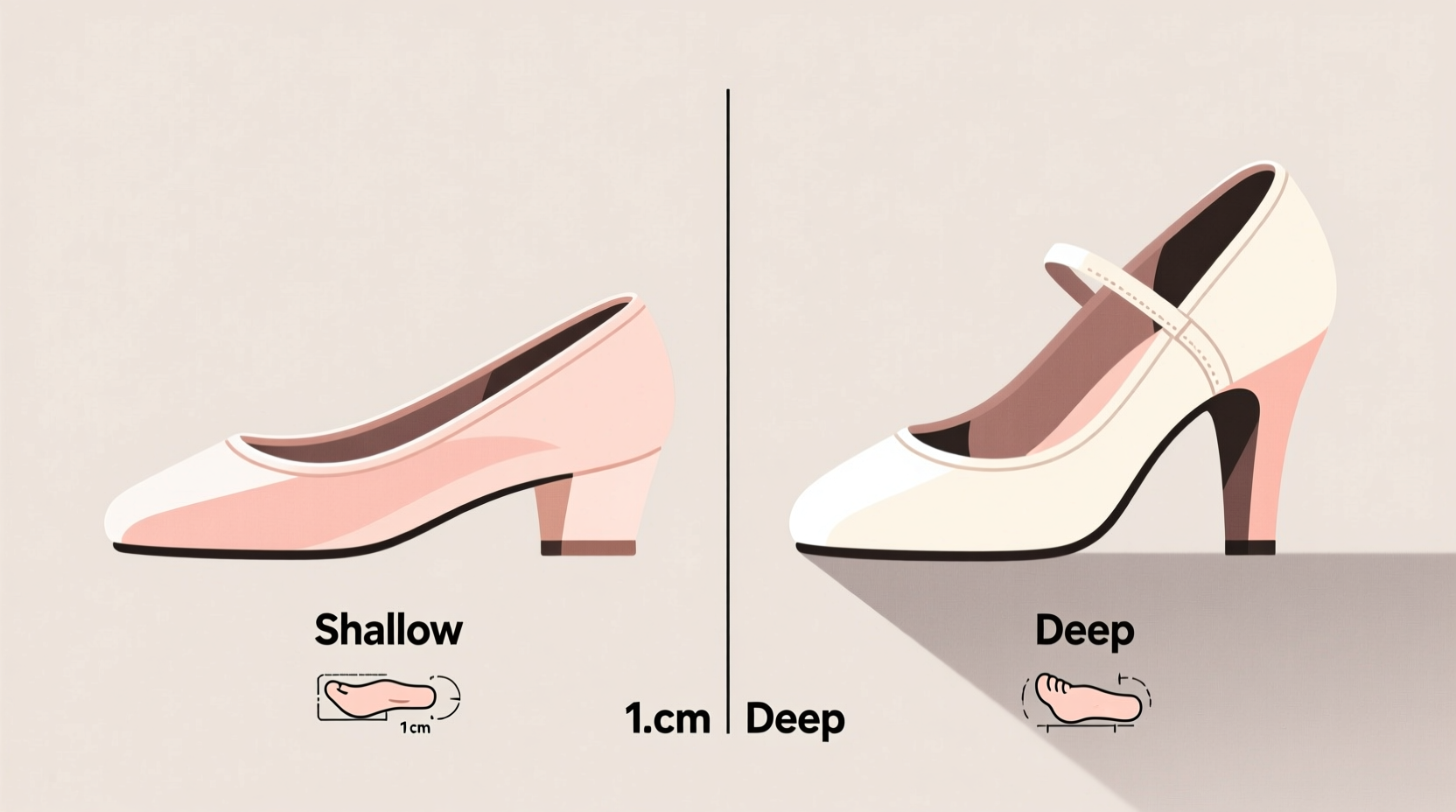
The term “depth” in ballet flats refers to the thickness of the sole from the bottom to where your foot rests inside the shoe. Shallow flats typically have a sole measuring between 3mm to 6mm, while deep flats range from 8mm to 12mm or more. This subtle difference may seem negligible at first glance, but it directly influences cushioning, arch support, and shock absorption.
Shallow flats are often prized for their minimalist aesthetic—they hug the ground, creating a delicate, almost barefoot look. Designers favor them for fashion-forward collections because they appear lighter and more refined. Deep flats, on the other hand, sacrifice some visual subtlety for functional benefits: added padding, better traction, and improved structural integrity.
Comfort and Support: A Practical Comparison
One of the most common complaints about ballet flats is foot fatigue after just a few hours of wear. This discomfort often stems from insufficient sole depth. Without adequate cushioning, the foot bears the full impact of each step, especially on hard surfaces like concrete or tile.
Deep-soled flats usually incorporate layers of foam, rubber, or memory foam insoles that absorb pressure and reduce strain on the ball of the foot and heel. They also tend to offer better arch contouring, which helps maintain natural foot alignment. In contrast, shallow flats often feature flat, rigid insoles that provide little to no give, increasing the risk of metatarsalgia (pain in the ball of the foot) and plantar fasciitis over time.
“Many patients come in with forefoot pain linked directly to prolonged use of ultra-thin ballet flats. The lack of shock absorption places undue stress on the metatarsals.” — Dr. Lena Torres, Podiatrist & Foot Biomechanics Specialist
Performance Across Different Environments
The suitability of shallow versus deep ballet flats varies dramatically depending on the environment. For short outings, indoor events, or fashion-focused occasions, shallow flats can perform admirably. Their low profile makes them ideal for slipping under narrow pant legs or pairing with delicate dresses.
However, when it comes to walking-intensive scenarios—commuting, shopping, travel, or standing at work—deep flats outperform their shallow counterparts consistently. A thicker sole provides not only comfort but also durability. Thin soles wear down quickly, especially on abrasive surfaces, leading to premature replacement.
| Scenario | Recommended Sole Type | Rationale |
|---|---|---|
| Evening event or dinner | Shallow | Minimal walking; prioritizes elegance and fit with formal attire |
| Daily commute or office wear | Deep | Requires sustained comfort, shock absorption, and durability |
| Travel or city exploration | Deep | High step count demands cushioning and support |
| Wedding guest or photo shoot | Shallow | Aesthetic appeal outweighs need for extended wear |
Real-World Example: A Week in Two Pairs
Sophie, a graphic designer based in Chicago, tested two nearly identical pairs of black leather ballet flats—one with a 5mm sole (shallow), the other with a 10mm contoured sole (deep)—over the course of a workweek. Both were from reputable brands and cost around $120.
She wore the shallow pair on Monday and Wednesday. By mid-morning, she noticed pressure building under her toes. On Wednesday, after a lunchtime walk downtown, she developed a sharp ache in her right forefoot. She switched to the deep pair for the remainder of the week. Not only did she report immediate relief, but she also found herself walking faster and standing longer during client meetings without discomfort. By Friday, she had decided to donate the shallow pair and keep only the deeper one for regular rotation.
This case illustrates a broader trend: aesthetics alone don’t sustain long-term wearability. Functionality, driven by sole depth, plays a decisive role in real-world satisfaction.
How to Choose the Right Depth for Your Lifestyle
Selecting between shallow and deep ballet flats shouldn’t be arbitrary. It should align with your daily activities, foot sensitivity, and existing biomechanical needs. Consider the following checklist before purchasing:
- Evaluate your daily step count: If you average more than 5,000 steps, prioritize deeper soles.
- Assess your foot type: Flat feet or high arches benefit significantly from structured, deeper insoles.
- Test flexibility: Bend the shoe gently—deep flats should flex at the ball, not the arch.
- Check for removable insoles: This allows customization with orthotics if needed.
- Walk on varied surfaces: Try the shoes on both carpet and tile to gauge underfoot feel.
Common Misconceptions About Ballet Flat Depth
Many assume that deeper soles automatically make a shoe “clunky” or less stylish. However, modern design innovations have bridged this gap. Brands like Rothy’s, M.Gemi, and Birdies now offer deep-soled ballet flats with slim profiles, flexible uppers, and elegant silhouettes that defy outdated notions of bulkiness.
Another myth is that all thin-soled flats are inherently “flimsy.” While many budget models fall into this category, high-end designers sometimes use advanced materials—like molded thermoplastic or carbon fiber inserts—to maintain rigidity and support even in shallow constructions. Still, these exceptions remain rare and often come at a premium price.
FAQ: Your Questions Answered
Can I add insoles to shallow ballet flats?
Yes, but with limitations. Ultra-thin flats often have minimal interior space, so standard insoles may make the shoe too tight. Consider custom ultra-slim orthotics or gel pads focused on the ball of the foot for targeted relief.
Do deep ballet flats look less elegant?
Not necessarily. Many contemporary designs integrate depth seamlessly through tapered edges, lightweight materials, and ergonomic shaping. The difference is often imperceptible to the eye but noticeable underfoot.
Are deep soles better for wide feet?
Generally, yes. Deeper soles often correlate with roomier footbeds and better volume distribution, reducing pinching and pressure on wider forefeet.
Conclusion: Make Depth Part of Your Decision-Making Process
The debate between shallow and deep ballet flats isn’t merely about style versus comfort—it’s about understanding how design impacts daily living. While shallow flats hold undeniable appeal for special occasions and fashion-centric moments, deep-soled versions prove superior for sustained wear, foot health, and practical versatility.
Choosing the right pair means balancing aesthetics with biomechanics. Don’t let a beautiful silhouette blind you to the reality of how your feet will feel after three hours of standing. Prioritize depth when function matters, and reserve shallow styles for moments when looks take precedence.




 浙公网安备
33010002000092号
浙公网安备
33010002000092号 浙B2-20120091-4
Comments
No comments yet. Why don't you start the discussion?