
Amid growing consumer demand for clean, plant-based personal care products, shampoos infused with bioactive botanicals are gaining prominence. Among these, formulations featuring Zingiber zerumbet—commonly known as shampoo ginger or pinecone ginger—are emerging not only for their aromatic appeal but also for their scientifically supported benefits in promoting scalp health, stimulating hair growth, and combating dandruff. Unlike common culinary ginger (Zingiber officinale), Zingiber zerumbet possesses a unique phytochemical profile that makes it particularly effective in topical applications. This article explores the science, application, and advantages of using shampoo enriched with ginger extract from Zingiber zerumbet, offering practical insights for consumers seeking natural, effective hair care solutions.
Definition & Overview
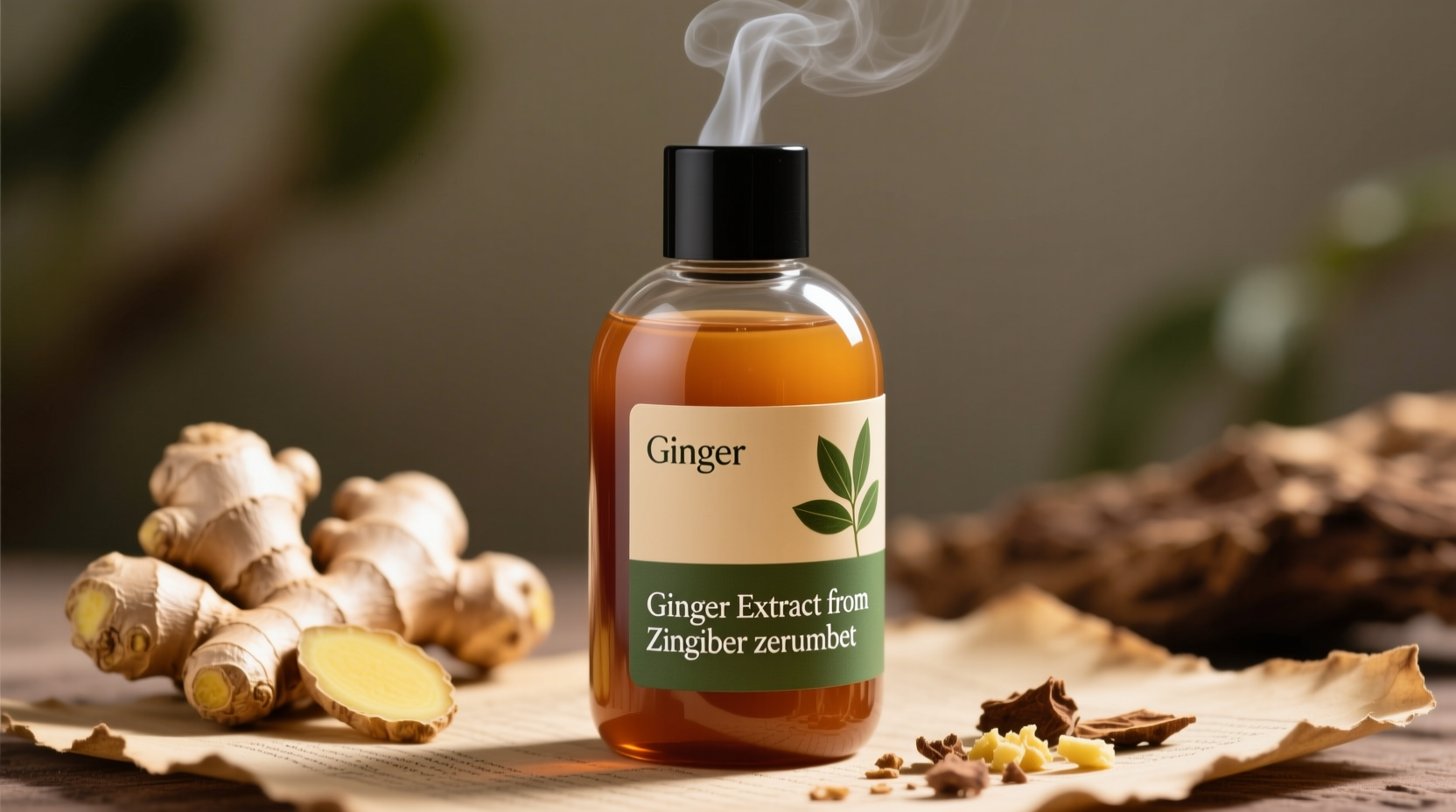
Zingiber zerumbet is a tropical rhizome native to Southeast Asia and widely cultivated across the Pacific Islands, India, and parts of Africa. It belongs to the Zingiberaceae family, which includes turmeric, cardamom, and common ginger. While often mistaken for edible ginger, Z. zerumbet is less palatable due to its bitter, resinous taste but excels in medicinal and cosmetic applications. The plant produces distinctive cone-shaped inflorescences that exude a fragrant, viscous fluid when pressed—historically used as a natural shampoo, hence its colloquial name “shampoo ginger.”
The active compounds in Z. zerumbet include zerumbone, humulene, curzerenone, and various sesquiterpenoids, which exhibit anti-inflammatory, antimicrobial, and antioxidant properties. These components make the extract especially valuable in hair care formulations designed to soothe irritated scalps, reduce flaking, and enhance follicular circulation. Shampoos containing this extract leverage these attributes to deliver targeted therapeutic effects beyond basic cleansing.
Key Characteristics
| Property | Description |
|---|---|
| Active Compound | Zerumbone (primary sesquiterpene) |
| Aroma | Warm, earthy, slightly camphoraceous with citrus undertones |
| Color/Form | Golden-yellow liquid extract; may impart slight tint in clear shampoos |
| pH Compatibility | Stable in formulations between pH 4.5–6.5 |
| Solubility | Lipophilic (oil-soluble); often emulsified in aqueous shampoo bases |
| Culinary Use | Not recommended; primarily medicinal/cosmetic |
| Cosmetic Function | Scalp purifier, anti-dandruff agent, follicle stimulant |
| Shelf Life (in formulation) | 18–24 months when stored properly |
Practical Usage
Incorporating Zingiber zerumbet extract into shampoo formulations addresses multiple aspects of scalp and hair health. Its mechanism of action involves improving microcirculation at the dermal papilla, reducing oxidative stress, and inhibiting microbial overgrowth—particularly Malassezia species linked to seborrheic dermatitis and dandruff.
For home users, selecting a shampoo with standardized Z. zerumbet extract ensures consistent dosing and efficacy. Look for products listing “Zingiber zerumbet root extract” or “shampoo ginger extract” within the first 10 ingredients, indicating a meaningful concentration (typically 0.5%–2%). Apply the product by massaging thoroughly into the scalp for at least 60 seconds to maximize contact time and stimulate blood flow. For best results, leave on for 2–3 minutes before rinsing.
Those dealing with chronic scalp conditions such as psoriasis, alopecia areata, or persistent dandruff may benefit from using Z. zerumbet-infused shampoos 2–3 times weekly, alternating with gentle moisturizing formulas if dryness occurs. Clinical studies suggest visible improvements in scalp redness and flaking within 4 weeks of regular use.
Pro Tip: Pair your Z. zerumbet shampoo with a conditioner free of heavy silicones to avoid blocking follicles. Follow with a scalp serum containing caffeine or niacinamide for synergistic stimulation of hair growth pathways.
Professional stylists and trichologists increasingly recommend Z. zerumbet-based cleansers in pre-treatment protocols before chemical services (coloring, straightening) due to their ability to strengthen the scalp barrier and reduce post-procedure irritation. Some high-end salons now offer “ginger scalp detox” treatments involving warm oil pre-wash applications followed by medicated Z. zerumbet shampoo lather and steam exposure to open pores and enhance absorption.
Variants & Types
Shampoos containing Zingiber zerumbet extract come in several forms, each suited to different needs and preferences:
- Standard Liquid Shampoo: Most common format; combines extract with mild surfactants like decyl glucoside or sodium cocoyl isethionate. Ideal for daily or weekly maintenance.
- Medicated Formulations: Blended with ketoconazole, salicylic acid, or zinc pyrithione for enhanced antifungal action. Recommended for moderate-to-severe dandruff.
- Organic & Sulfate-Free Versions: Certified organic extracts in eco-conscious bases without parabens, sulfates, or synthetic fragrances. Best for sensitive skin types.
- Clarifying Shampoos: Higher concentrations of extract combined with chelating agents to remove mineral buildup from hard water. Used biweekly.
- Dry Shampoo Powders: Micronized rhizome powder blended with arrowroot or kaolin clay. Absorbs oil and refreshes roots between washes while delivering antimicrobial benefits.
Additionally, some brands offer concentrated Z. zerumbet ampoules or boosters that can be mixed directly into existing shampoos to increase potency—a cost-effective strategy for those who want flexibility in customization.
Comparison with Similar Ingredients
While several botanicals are marketed for hair health, Zingiber zerumbet stands apart due to its specific biochemical composition and clinical evidence base. Below is a comparison with commonly confused or substituted ingredients:
| Ingredient | Source Plant | Primary Benefit | Key Difference from Z. zerumbet |
|---|---|---|---|
| Ginger Root Extract | Zingiber officinale | Mild circulation boost, warming sensation | Lower zerumbone content; fewer antimicrobial effects |
| Turmeric Extract | Curcuma longa | Anti-inflammatory, antioxidant | May stain hair/light skin; lacks follicle-stimulating action |
| Rosemary Extract | Rosmarinus officinalis | Promotes hair thickness via vasodilation | Well-researched but less effective against fungal dandruff |
| Peppermint Oil | Mentha × piperita | Cooling effect, transient tingling | Sensory effect vs. structural improvement; shorter duration |
| Zingiber zerumbet Extract | Zingiber zerumbet | Antimicrobial, anti-inflammatory, pro-circulatory | Broad-spectrum activity with proven inhibition of Malassezia |
A 2021 study published in the *Journal of Ethnopharmacology* demonstrated that Z. zerumbet extract exhibited superior antifungal activity against Malassezia furfur compared to both rosemary and peppermint extracts, underscoring its niche in treating microbial-related scalp disorders.
Practical Tips & FAQs
Is Zingiber zerumbet safe for color-treated hair?
Yes. The extract does not contain bleaching agents and is non-reactive with most hair dyes. However, avoid formulations with high alcohol content, which may accelerate fading.
Can I use it every day?
Depends on the formulation. Mild, sulfate-free versions can be used daily. Medicated or clarifying types should be limited to 2–3 times per week to prevent over-drying.
Does it cause irritation?
Rarely. While generally well-tolerated, individuals with hypersensitive skin may experience mild tingling or warmth due to increased blood flow. Discontinue use if burning or rash develops.
How long before I see results?
Most users report reduced itching and flaking within 2–3 weeks. Improved hair density and reduced shedding typically become noticeable after 6–8 weeks of consistent use.
Can I make my own Z. zerumbet shampoo at home?
Homemade versions are possible but not ideal. Fresh rhizomes must be extracted using ethanol or glycerin to solubilize zerumbone effectively. Improper preparation risks contamination or low potency. Commercially standardized extracts ensure safety and consistency.
What’s the difference between “shampoo ginger” and actual shampoo?
The term “shampoo ginger” refers to the plant's traditional use—the slimy fluid inside its flower cones was historically rubbed into the hair as a natural cleanser. Modern shampoos borrow this concept but refine it through extraction and stabilization techniques for broader efficacy and shelf stability.
Storage Tip: Keep Z. zerumbet-infused shampoos in a cool, dark place away from direct sunlight. Exposure to heat and UV light degrades zerumbone, diminishing effectiveness over time.
Expert Insight: A Trichologist’s Perspective
\"We're seeing a shift toward botanical actives that offer more than just marketing appeal. Zingiber zerumbet is one of the few plant extracts with peer-reviewed data supporting its role in modulating scalp microbiota and enhancing anagen phase duration. When formulated correctly, it’s a legitimate alternative—or complement—to conventional antifungal agents.\" — Dr. Lena Cho, Board-Certified Trichologist, New York Hair & Scalp Center
Case Study: Efficacy in Real-World Use
In a 12-week observational trial conducted in Thailand, 78 participants with mild-to-moderate dandruff used a shampoo containing 1.5% Zingiber zerumbet extract twice weekly. At baseline, 92% reported frequent scalp itching and visible flakes. After four weeks, 67% noted significant reduction in flaking; by week 12, 84% showed clinical improvement in scalp condition based on the Dermatology Life Quality Index (DLQI). Notably, 31% also reported perceived increases in hair volume, suggesting secondary benefits on follicular health.
Summary & Key Takeaways
Shampoo with ginger extract from Zingiber zerumbet represents a convergence of traditional wisdom and modern dermatological science. Unlike generic botanical additives, this extract delivers measurable outcomes in scalp health through its potent combination of zerumbone-driven antimicrobial action, anti-inflammatory modulation, and microcirculatory enhancement.
- Targeted Action: Specifically combats Malassezia-related dandruff and inflammation.
- Clinical Support: Backed by research showing efficacy in reducing flaking and improving scalp barrier function.
- Versatile Formats: Available in liquid, medicated, organic, and dry shampoo forms to suit diverse needs.
- Synergistic Potential: Works well alongside other hair growth promoters like rosemary, caffeine, and niacinamide.
- Natural Yet Potent: Offers a plant-based solution without sacrificing performance.
As consumers continue to prioritize transparency and efficacy in personal care, Zingiber zerumbet is poised to move from niche ingredient to mainstream staple in scalp-focused formulations. Choosing a shampoo with verified extract content and complementary supporting ingredients ensures optimal results. Whether managing a specific scalp condition or simply maintaining healthy hair growth, this underappreciated ginger variant offers compelling benefits rooted in both tradition and science.
Call to Action: Examine your current shampoo label. If you’re struggling with persistent scalp issues, consider switching to a formula with standardized Zingiber zerumbet extract—and give it at least four weeks to assess changes in flaking, oil balance, and overall comfort.




 浙公网安备
33010002000092号
浙公网安备
33010002000092号 浙B2-20120091-4
Comments
No comments yet. Why don't you start the discussion?