
Sudden, sharp back pain can range from a minor muscle strain to a symptom of a life-threatening condition. While most cases resolve with rest or conservative treatment, certain red flags demand urgent medical evaluation. Understanding the difference between routine discomfort and potentially dangerous pain can save time, prevent complications, and even be lifesaving.
The spine supports movement, protects the spinal cord, and connects major nerve pathways. When pain arises suddenly and intensely, especially in the lower or upper back, it’s essential to assess its nature, location, duration, and associated symptoms. This guide breaks down serious causes, warning signs, and practical steps to determine when sharp back pain requires emergency care.
When Sharp Back Pain Is Not Just a Strain
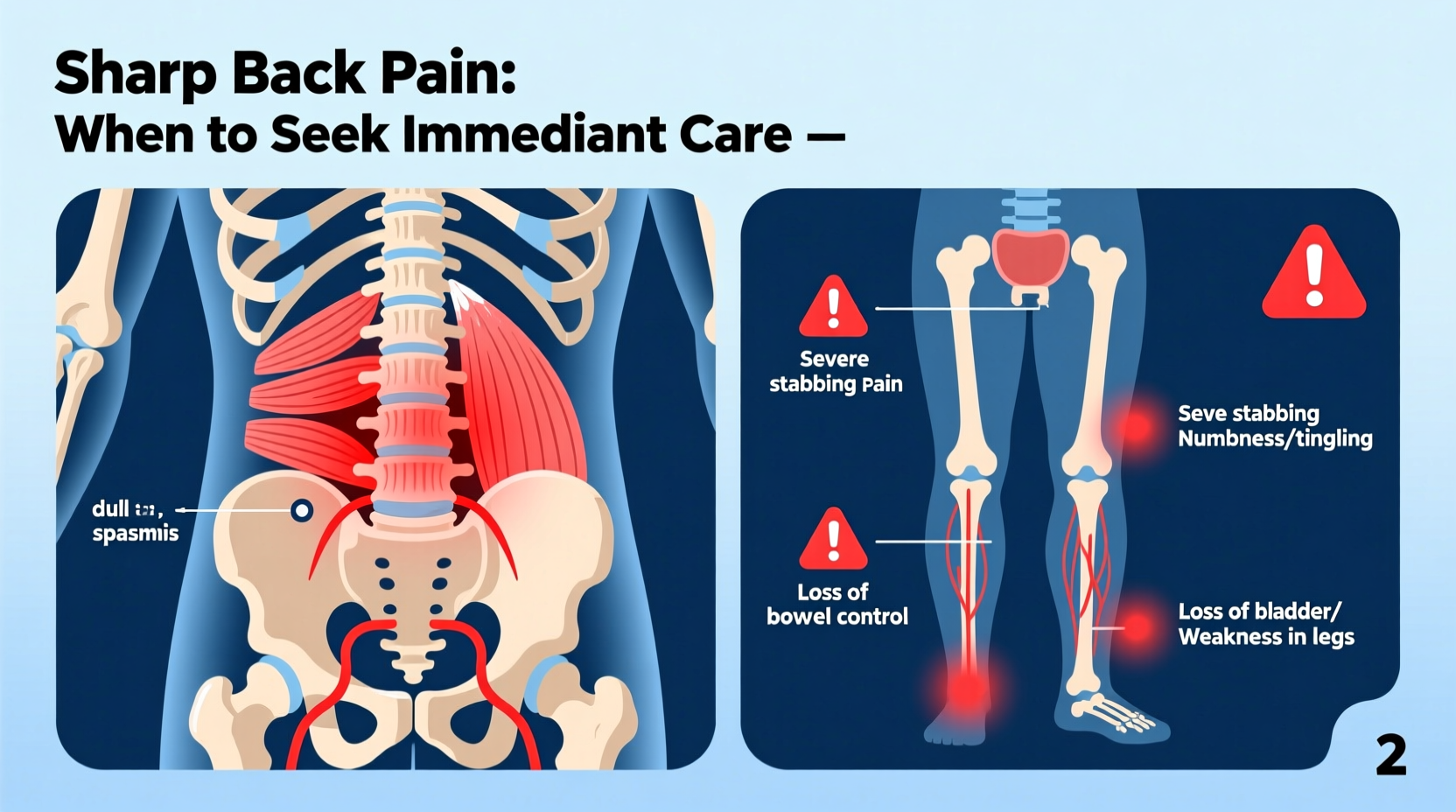
Muscle strains, poor posture, or lifting injuries are common culprits behind acute back pain. These typically improve within days to weeks with rest, ice, and over-the-counter pain relief. However, some causes of sharp back pain originate from internal organs or structural damage to the spine and require prompt diagnosis.
Pain that radiates, worsens at night, or appears without an obvious trigger may signal something more serious. Conditions such as herniated discs, kidney stones, infections, or vascular emergencies like aortic aneurysm can present primarily as back pain—masking their true origin.
Serious Causes of Sharp Back Pain
Several underlying conditions can manifest as intense, localized back pain. Recognizing these can help differentiate benign issues from those requiring urgent intervention.
1. Aortic Dissection or Abdominal Aortic Aneurysm (AAA)
A sudden, tearing or ripping pain in the chest or upper back that radiates to the abdomen may indicate aortic dissection. This occurs when the inner layer of the aorta tears, allowing blood to surge between the layers of the vessel wall. An abdominal aortic aneurysm (bulging in the lower part of the aorta) can also cause deep, sudden back pain if it leaks or ruptures.
Risk factors include high blood pressure, smoking, age over 65, and a family history of aneurysms. This is a medical emergency requiring immediate surgery.
2. Spinal Infection (Discitis or Epidural Abscess)
Infections in the spine, though rare, can cause severe, unrelenting back pain—often worse at night. Fever, chills, and unexplained weight loss may accompany the pain. Individuals with diabetes, recent surgeries, or weakened immune systems are at higher risk.
If left untreated, an epidural abscess can compress the spinal cord, leading to paralysis.
3. Kidney Stones or Pyelonephritis
Kidney stones cause sharp, colicky pain in the flank or lower back, often radiating to the groin. The pain comes in waves and may be accompanied by nausea, vomiting, and blood in the urine. A kidney infection (pyelonephritis) can cause constant, dull or sharp pain with fever and urinary symptoms.
4. Cauda Equina Syndrome
This rare but critical condition involves compression of the bundle of nerves at the base of the spinal cord. Symptoms include severe low back pain, numbness in the saddle area (inner thighs, buttocks, genitals), loss of bladder or bowel control, and leg weakness.
Cauda equina syndrome is a surgical emergency. Delayed treatment can result in permanent paralysis or incontinence.
5. Spinal Fractures or Tumors
Osteoporosis, trauma, or cancer can lead to vertebral fractures, causing sudden, severe back pain that worsens with movement. Bone metastases from cancers like breast, prostate, or lung may first present as persistent back pain, especially if it’s progressive and unresponsive to rest.
“Back pain in a cancer patient with new-onset neurological symptoms should never be dismissed as musculoskeletal.” — Dr. Lena Patel, Neurologist and Spine Specialist
Warning Signs That Demand Immediate Attention
Not all back pain is equal. The following symptoms, especially when combined with sharp pain, warrant urgent medical assessment:
- Sudden, severe pain without injury
- Pain that wakes you from sleep
- Numbness, tingling, or weakness in the legs
- Loss of bladder or bowel control
- Fever with back pain
- Unexplained weight loss
- Chest pain radiating to the back
- History of cancer, osteoporosis, or recent infection
Red Flag Checklist: When to Seek Emergency Care
| Symptom | Immediate Action? | Notes |
|---|---|---|
| Saddle anesthesia (numbness in groin/buttocks) | Yes – ER visit | Possible cauda equina syndrome |
| Loss of bladder/bowel control | Yes – Call 911 | Neurological emergency |
| Chest pain + back pain | Yes – Call emergency services | Possible aortic dissection |
| Fever + localized spine pain | Yes – Urgent evaluation | Spinal infection risk |
| History of cancer + new back pain | Yes – See doctor within 24–48 hrs | Bone metastasis possible |
Real-Life Scenario: Missed Diagnosis Turned Critical
James, a 58-year-old construction worker, experienced sudden, sharp lower back pain after lifting a heavy beam. He assumed it was a muscle strain and rested for two days. But the pain didn’t improve—it intensified at night. He began noticing difficulty urinating and numbness in his inner thighs.
By day four, he could barely walk. His wife drove him to the ER, where imaging revealed cauda equina syndrome due to a large herniated disc. He underwent emergency surgery but suffered permanent bladder dysfunction due to delayed treatment.
His case underscores how easily serious conditions can be mistaken for routine back strain—especially when warning signs are ignored.
Step-by-Step: What to Do When You Experience Sharp Back Pain
- Assess the pain: Note onset, location, intensity, and whether it radiates. Use a pain scale (1–10).
- Check for red flags: Review the checklist above. Presence of any requires immediate action.
- Limit activity: Avoid strenuous movements, but don’t stay in bed longer than 1–2 days unless advised.
- Apply ice or heat: Ice for first 48 hours to reduce inflammation; heat afterward for muscle relaxation.
- Contact a healthcare provider: If pain persists beyond 3 days or red flags appear, schedule an evaluation.
- Seek emergency care: If experiencing loss of bladder control, leg weakness, or chest-back pain, go to the ER immediately.
Frequently Asked Questions
Can sharp back pain be a sign of heart problems?
Yes. While chest pain is typical during a heart attack, some people—especially women—experience referred pain in the upper back, neck, or jaw. If sharp back pain is accompanied by shortness of breath, sweating, or nausea, seek emergency help immediately.
Is it normal for back pain to get worse at night?
No. Most mechanical back pain improves with rest. Pain that intensifies at night or wakes you up may indicate infection, tumor, or inflammatory conditions like ankylosing spondylitis. This warrants medical investigation.
How quickly should I see a doctor for sharp back pain?
If there are no red flags, waiting 3–5 days is reasonable. However, if you have a history of cancer, osteoporosis, or immune compromise, consult a doctor sooner—even within 24–48 hours of onset.
Conclusion: Don’t Ignore the Signals Your Body Sends
Sharp back pain is common, but it shouldn’t be automatically dismissed. While many cases stem from benign causes, others are harbingers of serious, time-sensitive conditions. Listening to your body, recognizing warning signs, and acting swiftly can make the difference between full recovery and lifelong disability.
Stay informed, stay vigilant, and never hesitate to seek medical attention when something feels wrong. Your spine supports your entire body—protect it with awareness and timely care.




 浙公网安备
33010002000092号
浙公网安备
33010002000092号 浙B2-20120091-4
Comments
No comments yet. Why don't you start the discussion?