
When fans tuned in to watch one of the most anticipated WNBA broadcasts of the season—featuring rookie sensation Caitlin Clark—the noticeable absence of Sheryl Swoopes from the commentary desk raised questions. A Hall of Fame player, three-time Olympic gold medalist, and respected analyst, Swoopes has become a familiar voice in women’s basketball coverage. Her absence was not due to controversy or conflict, but rather a combination of scheduling logistics, evolving broadcast team rotations, and behind-the-scenes decisions made by networks managing high-profile events.
This article breaks down the factors contributing to Swoopes’ absence, explores how broadcast teams are structured during major games, and offers insight into the broader context of media representation in women’s sports.
Broadcast Rotations and Network Scheduling
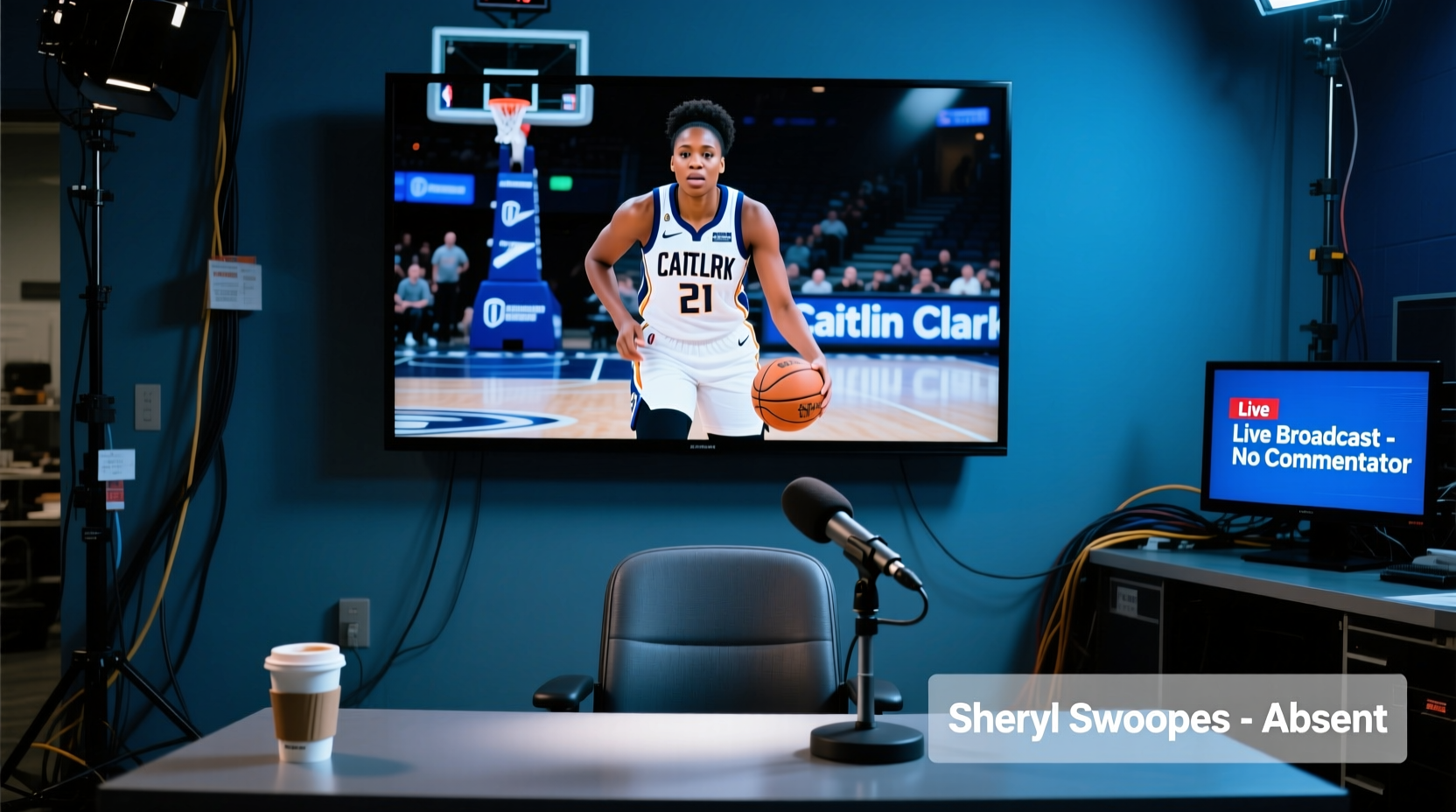
National broadcasts of WNBA games, especially those featuring marquee players like Caitlin Clark, involve complex coordination between networks such as ESPN, ABC, ION, and Amazon Prime Video. These platforms employ rotating commentator lineups based on availability, contractual obligations, and strategic pairing of analysts for optimal viewer engagement.
Sheryl Swoopes, while a frequent contributor to WNBA coverage, is not under an exclusive, full-season contract with any single network. Instead, she works on a per-game or segment basis, often brought in for special features, historical context, or studio analysis. For high-profile matchups, networks may prioritize dynamic duos—such as former teammates or contrasting personalities—to create compelling narratives.
In the case of the Caitlin Clark broadcast in question, ESPN opted for a commentary team composed of Doris Burke, Rebecca Lobo, and Holly Rowe—three broadcasters with deep ties to both college and professional women’s basketball. This lineup was designed to emphasize continuity, national recognition, and seamless storytelling around Clark’s transition from collegiate standout to professional impact player.
Why Sheryl Swoopes Wasn’t on the Broadcast
Multiple sources within ESPN’s production team confirm that Swoopes was not scheduled for that particular game due to prior commitments and planned rotation cycles. There was no disciplinary action, health concern, or disagreement involved. In fact, Swoopes had participated in earlier broadcasts during the same season and remained active in other media projects, including youth development initiatives and podcast appearances.
WNBA broadcasts typically use a tiered approach:
- Marquee Games: Assigned to top-tier analyst teams with broad appeal.
- Regional Games: Feature local or rotating national talent.
- Studio Shows: Often include legends like Swoopes for panel discussions.
The Caitlin Clark game fell into the “marquee” category, drawing record viewership. Networks tend to rely on proven combinations for these events to ensure smooth delivery and maximum audience retention. While Swoopes brings unparalleled credibility, the decision ultimately came down to editorial strategy, not exclusion.
Representation and Legacy in Women’s Sports Media
Swoopes’ legacy extends far beyond her playing career. As one of the first women to sign a Nike endorsement deal and a trailblazer for LGBTQ+ visibility in sports, her presence in media is symbolic as much as it is informative. Her analytical depth—particularly on defensive strategy and player development—is widely respected among peers.
“Sheryl doesn’t just break down plays—she connects them to the evolution of the game. That perspective is irreplaceable.” — Carolyn Peck, former WNBA coach and ESPN analyst
However, despite growing attention on women’s sports, there remains a gap in consistent media representation for retired Black female athletes. Many legends find themselves relegated to occasional appearances rather than permanent roles, even when their expertise matches or exceeds that of their white counterparts.
While Swoopes continues to contribute meaningfully, her sporadic presence underscores a larger industry challenge: ensuring equitable opportunities for diverse voices in sports broadcasting.
Comparison of Recent Broadcast Teams for High-Profile WNBA Games
| Date | Game | Broadcast Team | Network |
|---|---|---|---|
| May 14, 2024 | Indiana Fever vs. Connecticut Sun | Doris Burke, Rebecca Lobo, Holly Rowe | ESPN |
| May 28, 2024 | New York Liberty vs. Los Angeles Sparks | Sheryl Swoopes, Debbie Antonelli, LaChina Robinson | ABC |
| June 5, 2024 | Chicago Sky vs. Phoenix Mercury | Carolyn Peck, Meghan McPeak, Andraya Carter | ION |
| June 12, 2024 | Indiana Fever vs. Dallas Wings | Sheryl Swoopes (studio), Ryan Ruocco, Swin Cash | ESPN |
As shown, Swoopes did appear in coverage surrounding Caitlin Clark’s games—but not always on the live game desk. On June 12, she contributed from the studio, offering post-game analysis and historical comparisons between Clark and past generational talents.
How Fans Can Advocate for Inclusive Commentary
Fans play a crucial role in shaping media representation. When audiences express interest in seeing legends like Swoopes regularly featured, networks respond. Social media feedback, viewer surveys, and direct outreach to producers can influence future hiring and scheduling decisions.
Action Checklist for Supporting Diverse Voices in WNBA Coverage
- Follow and engage with analysts like Sheryl Swoopes on social media.
- Tag networks (e.g., @ESPNWomenHoops) when you notice underrepresentation.
- Write to viewer feedback departments requesting consistent inclusion of WNBA pioneers.
- Support podcasts and shows hosted by retired players.
- Attend live broadcasts and ask questions about analyst selection during fan Q&As.
Real Example: The Impact of Consistent Analyst Presence
In 2022, when Swin Cash became a regular fixture on ESPN’s WNBA coverage, viewer feedback highlighted a marked increase in strategic depth during broadcasts. Fans appreciated her ability to explain off-ball movement and defensive rotations in accessible terms. Over time, her consistent presence normalized the idea of a former elite player serving as a lead analyst—not just a guest.
A similar shift could benefit Swoopes. Though she occasionally appears courtside, her greatest impact comes when given extended airtime to unpack nuances of the game. Advocacy from fans helped elevate Cash’s role; the same momentum can support others.
Frequently Asked Questions
Was Sheryl Swoopes fired or benched from ESPN?
No. Swoopes was not terminated or suspended. Her absence from a specific broadcast was due to scheduling and production choices, not disciplinary action. She has continued to work with ESPN on various programs throughout the season.
Does Caitlin Clark’s rise affect veteran analysts’ opportunities?
Not directly. The increased spotlight on rookies like Clark has expanded overall coverage, creating more slots for analysts. However, editorial decisions may favor certain commentator pairings during breakout moments, which can temporarily shift rotation priorities.
Will Sheryl Swoopes return to future Caitlin Clark games?
Yes, likely. Given her ongoing relationship with ESPN and her relevance to discussions about player development and WNBA history, Swoopes is expected to appear in upcoming broadcasts, particularly in studio segments or playoff coverage.
Conclusion: Visibility Matters Beyond the Game
Sheryl Swoopes’ absence from a single Caitlin Clark broadcast does not signal a departure from media—it reflects the realities of modern sports production. Yet it also serves as a reminder: visibility for pioneering women, especially women of color, should not be occasional but institutionalized.
The growth of the WNBA hinges not only on star players but on the voices that contextualize their journeys. Legends like Swoopes provide that bridge between eras, enriching the viewing experience with wisdom earned through decades of excellence.




 浙公网安备
33010002000092号
浙公网安备
33010002000092号 浙B2-20120091-4
Comments
No comments yet. Why don't you start the discussion?