
In an era where minimalism dominates fashion and function, the debate between short and long wallets has gained new momentum. With influencers touting slim cardholders and tech entrepreneurs flaunting titanium wallets, it’s easy to assume the classic long wallet is fading into obscurity. But is that really the case? Or are we overlooking practical benefits that make long wallets still relevant—maybe even essential—for certain lifestyles?
This isn’t just about aesthetics or trend cycles. It’s about how your wallet fits into your daily routine, what you carry, and how much comfort and organization matter when it comes to a tool you use multiple times a day.
The Evolution of Wallet Design
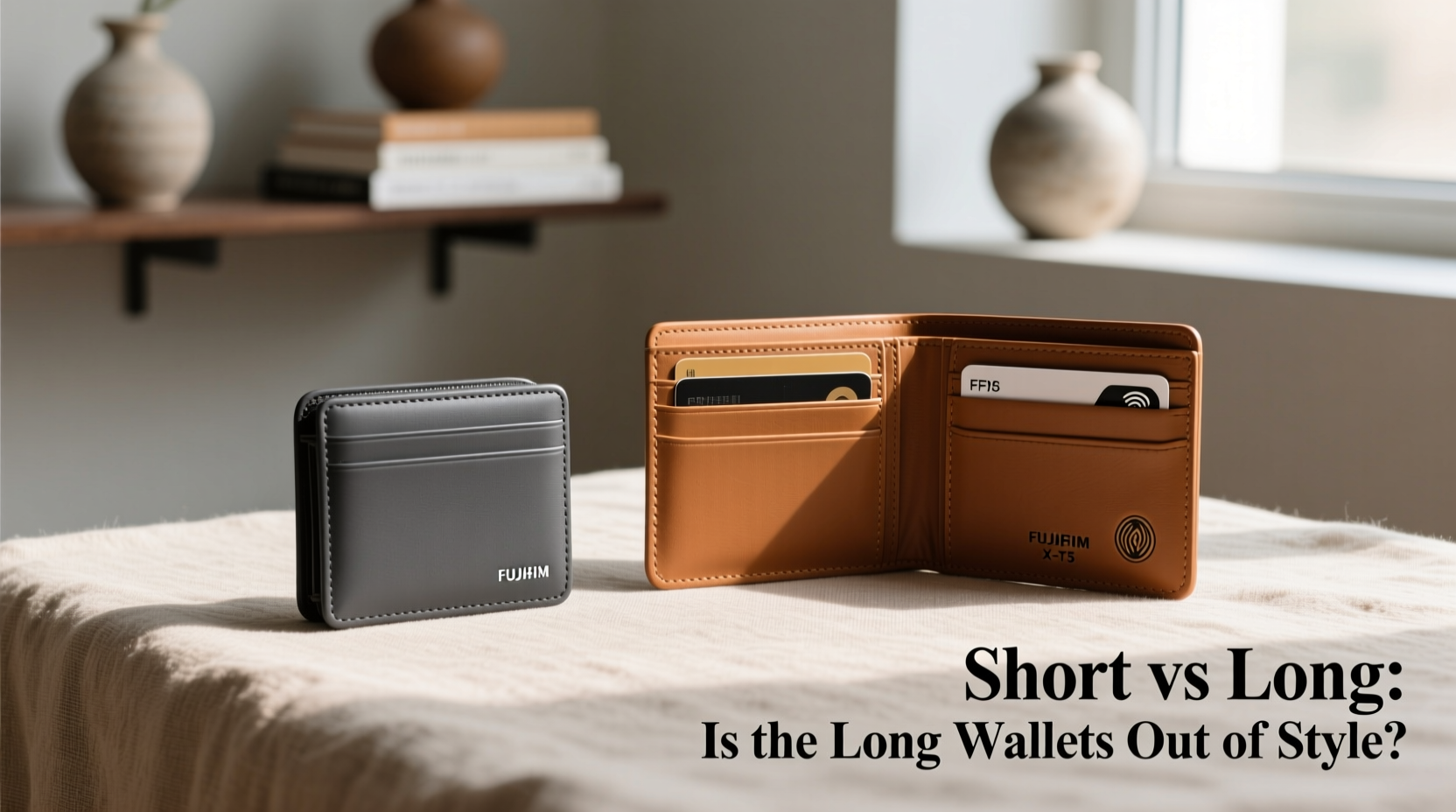
Wallets have evolved significantly over the past century. Originally designed as simple pouches for coins and folded bills, they expanded in size during the mid-20th century to accommodate credit cards, IDs, and receipts. The long wallet—with its bi-fold or tri-fold structure—became the default for men and women alike by the 1980s.
Fast forward to the 2010s, and minimalist designs began gaining traction. Inspired by Japanese craftsmanship and Scandinavian design principles, short wallets emerged as sleek, compact alternatives. These typically hold only essential cards and cash, prioritizing pocket comfort and clean lines.
Yet despite this shift, long wallets remain widely used. According to a 2023 consumer survey by Leather Goods Review, 58% of respondents still prefer traditional long wallets, citing capacity and familiarity as key factors.
“Design trends come and go, but utility endures. The long wallet isn’t outdated—it’s optimized for a different kind of user.” — Daniel Reeves, Product Designer at Vault & Thread
Short Wallets: Pros and Trade-offs
Short wallets—often called minimalist or slim wallets—are typically less than half the size of a standard long wallet. They’re designed with modern urban life in mind: fewer items, front-pocket carry, and seamless integration with smartphones and transit cards.
- Pros:
- Less pocket bulge, especially in jeans and dress pants
- Easier to access cards quickly (ideal for commuters)
- Lightweight and often made from durable materials like aluminum or carbon fiber
- Modern aesthetic aligns with minimalist fashion trends
- Trade-offs:
- Limited storage for cash, tickets, or multiple cards
- No dedicated coin compartment (unless added separately)
- Can feel flimsy if poorly constructed
- May not protect cards from bending or RFID skimming without added shielding
Long Wallets: Practicality Over Minimalism
Long wallets, whether bi-fold, tri-fold, or front-loader styles, offer more internal organization. Multiple card slots, bill compartments, ID windows, and even zippered coin sections make them ideal for users who carry more than just the basics.
They’re particularly favored by professionals, travelers, and those who work in service industries where tips, business cards, and loyalty cards are part of daily life.
| Feature | Short Wallet | Long Wallet |
|---|---|---|
| Average Dimensions | 3.5 x 2.5 inches | 4.5 x 3.5 inches (folded) |
| Card Capacity | 3–6 cards | 8–16+ cards |
| Cash Storage | Limited (single fold) | Full bill compartment |
| Pocket Comfort | High (front-pocket friendly) | Moderate to low (can cause bulge) |
| Durability (Leather) | Good (less stress on seams) | Excellent (if well-constructed) |
| Price Range (Mid-Tier) | $40–$80 | $60–$120 |
Real-Life Scenario: Two Users, Two Needs
Consider two individuals: Maya, a freelance designer who uses contactless payments and carries only her driver’s license, one credit card, and occasional cash; and James, a restaurant manager who collects tips, stores gift cards, keeps employee IDs, and needs quick access to multiple payment methods.
For Maya, a short aluminum wallet makes perfect sense. It’s lightweight, secure, and disappears in her back pocket. She values simplicity and hates clutter.
James, however, would struggle with a minimalist design. He regularly handles $50+ in cash, rotates through three credit cards, and uses loyalty programs daily. A long bi-fold wallet with designated slots keeps him organized and efficient during busy shifts.
This contrast illustrates a crucial point: the “best” wallet depends entirely on usage patterns, not trends.
Are Long Wallets Going Out of Style?
Not exactly. While short wallets dominate social media and influencer culture, long wallets haven’t disappeared—they’ve adapted. High-end brands now offer refined long wallets in slimmer profiles, using premium leathers and ergonomic designs to reduce bulk while maintaining capacity.
Moreover, the rise of digital wallets hasn’t eliminated physical ones. Many people still rely on cash in rural areas, small businesses, or emergency situations. And some institutions—like government offices or car rentals—require physical ID and credit cards.
What *is* changing is perception. Long wallets are no longer seen as default—they’re now a deliberate choice. You don’t use one because it’s all that exists; you choose one because it serves your lifestyle better.
How to Choose the Right Wallet for You
Instead of following trends, assess your actual needs. Here’s a step-by-step guide to help you decide:
- Inventory Your Daily Carry: Empty your current wallet. Count how many cards, bills, receipts, and other items you actually use daily.
- Test Pocket Fit: Place your wallet in your preferred pocket. Walk around for 10 minutes. Does it cause discomfort or affect posture?
- Assess Access Frequency: How often do you pull out cash versus cards? Do you need quick access to specific items?
- Consider Lifestyle Changes: Are you moving toward digital payments? Traveling soon? Starting a job that requires badges or licenses?
- Try Before You Buy: Visit a store or order from a brand with a return policy. Use it for a week before deciding.
Checklist: Is a Short Wallet Right for You?
- ✅ I use tap-to-pay or mobile wallets frequently
- ✅ I carry fewer than six cards regularly
- ✅ I dislike back-pocket bulge or sit for long periods
- ✅ I don’t handle cash often
- ✅ I value sleek, modern design
Checklist: Is a Long Wallet Still the Better Choice?
- ✅ I regularly carry cash (tips, parking, small purchases)
- ✅ I have more than eight cards I use occasionally
- ✅ I need space for receipts, tickets, or business cards
- ✅ I work in hospitality, sales, or field services
- ✅ I prefer having everything in one organized place
Frequently Asked Questions
Do long wallets damage pants pockets over time?
Yes, consistently carrying a thick long wallet in a back pocket can stretch fabric and distort the fit of trousers or jeans. Over months, this leads to sagging and premature wear. For better longevity, consider a front-pocket short wallet or rotate your carry method.
Can I make a long wallet more compact?
Absolutely. Trim unused cards, avoid overstuffing bills, and let leather wallets break in naturally. Some users also remove inner lining sections or switch to ultra-thin cardholders for secondary cards, keeping the long wallet for primary storage.
Are RFID-blocking long wallets effective?
Many modern long wallets include RFID-blocking layers to protect against electronic theft. Look for tested materials (like metalized fabric) rather than marketing claims. However, note that true risk of RFID skimming remains low in most regions.
Conclusion: Function Over Fashion
The idea that long wallets are “going out of style” oversimplifies a nuanced personal decision. Trends favor minimalism, but real life often demands flexibility. Rather than chasing what’s popular, focus on what works for your routine, body mechanics, and responsibilities.
Whether you choose a featherlight titanium cardholder or a full-featured leather bi-fold, the best wallet is the one that disappears into your day—until you need it. Prioritize durability, fit, and function. Let your lifestyle, not Instagram feeds, guide your choice.




 浙公网安备
33010002000092号
浙公网安备
33010002000092号 浙B2-20120091-4
Comments
No comments yet. Why don't you start the discussion?