
For competitive first-person shooter (FPS) players, every millisecond counts. Whether you're lining up a flick shot in Apex Legends or tracking an opponent through tight corridors in Call of Duty, precision, speed, and consistency define success. As more console and cross-platform players enter high-level competition, many are turning to controller modifications—commonly known as \"modding\"—to gain an edge. But is it worth it? And more importantly, should you actually do it?
Controller modding ranges from simple software tweaks to full hardware overhauls involving mechanical switches, custom firmware, and ergonomic refinits. While some dismiss it as unnecessary tinkering, others swear by its impact on responsiveness and control. The truth lies somewhere in between—and depends heavily on your goals, skill level, and willingness to invest time and money.
What Does Controller Modding Actually Mean?
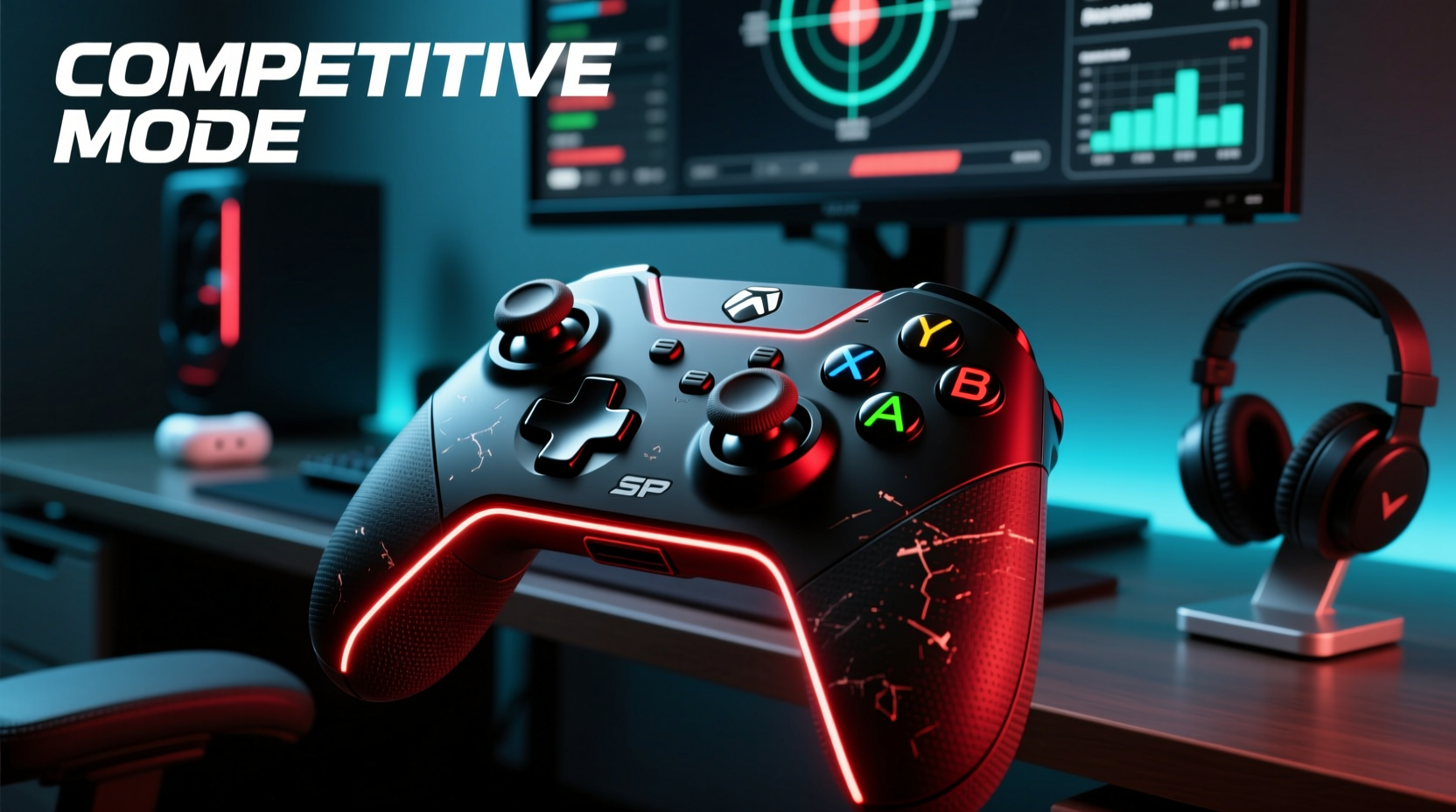
Modding a controller isn’t just about aesthetics or adding RGB lights. In the context of competitive FPS play, it typically refers to hardware and software enhancements designed to improve input speed, reduce latency, increase durability, and fine-tune responsiveness. Common modifications include:
- Back Button Installation: Adding extra programmable paddles on the back for functions like aim assist, crouch, or weapon swap.
- Screw-in Thumbsticks: Replacing standard thumbsticks with taller, textured, or adjustable ones for better grip and range of motion.
- Hair Trigger Mods: Adjusting the internal spring tension or installing shorter triggers so buttons register inputs faster.
- PCB Upgrades: Swapping out stock circuit boards with low-latency or customizable alternatives that support rapid-fire firmware.
- Firmware Flashing: Installing custom software that enables features like rapid fire, deadzone adjustments, or sensitivity curves not allowed by default.
These changes can transform how a controller feels and performs—sometimes dramatically. However, not all mods are created equal, and some walk a fine line between optimization and unfair advantage.
Performance Benefits: Speed, Precision, and Consistency
The core appeal of modding lies in measurable improvements to gameplay mechanics. Competitive FPS titles reward twitch accuracy, quick target acquisition, and efficient movement. A well-modified controller can enhance each of these elements.
Reduced Input Lag: High-quality PCBs and optimized firmware can cut down on signal processing delays. Some premium modded controllers claim response times under 1ms—faster than most stock devices.
Faster Trigger Actuation: Hair trigger mods allow triggers to register at 20–30% of their normal pull distance. This means shooting happens quicker without fully depressing the trigger—a major benefit when reacting to threats.
Better Ergonomics: Custom thumbsticks and back paddles let players keep thumbs on sticks while executing actions that would otherwise require lifting fingers. This maintains aim stability during complex maneuvers.
“Even a 50-millisecond reduction in input lag can be the difference between winning and losing a gunfight at pro level.” — Jordan Lee, Lead Engineer at ProGaming Hardware Labs
Consider this real-world scenario: During a ranked match in Warzone, a player using a modded controller with hair triggers engages an enemy around a corner. Their shots register instantly upon peeking, while the opponent—using a stock controller—takes a fraction of a second longer to fire due to full trigger travel. That tiny delay results in a loss of engagement. Over hundreds of encounters, such micro-advantages compound into tangible win-rate increases.
Do’s and Don’ts of Competitive Controller Modding
| Do | Don’t |
|---|---|
| Use reputable modders with proven track records in competitive gaming circles. | Install unauthorized firmware that mimics rapid-fire cheats or auto-aim behavior. |
| Invest in mechanical upgrades like Hall-effect sensors for consistent analog input. | Over-modify to the point of compromising comfort or long-term usability. |
| Test mods thoroughly in training modes before using them in ranked matches. | Assume all mods are tournament-legal—verify league-specific regulations. |
| Balance customization with muscle memory; avoid changing layouts too frequently. | Rely solely on mods to compensate for lack of practice or fundamentals. |
Real Example: From Casual to Competitive
Tyler, a 24-year-old player from Austin, Texas, spent two years climbing the ranks in Halo Infinite’s multiplayer mode using a standard Xbox Wireless Controller. Despite strong game sense and positioning, he consistently lost close-range duels. After analyzing his gameplay, he noticed a recurring pattern: opponents were consistently firing first, even when he believed he had the visual advantage.
He consulted a local esports coach who suggested evaluating his gear. Tyler sent his controller to a certified modder specializing in FPS builds. The technician installed:
- Hall-effect thumbsticks (for drift-free aiming)
- Adjustable hair triggers (set to 30% actuation)
- Two rear paddles mapped to jump and crouch
- Custom firmware with reduced debounce timing
Within three weeks of adapting to the new setup, Tyler saw a 22% improvement in his kill-death ratio and climbed 180 ranking points. More importantly, he reported feeling more confident in fast-paced engagements. His story isn’t unique—many mid-tier players experience similar breakthroughs after thoughtful modding.
Step-by-Step Guide to Getting Started with Controller Modding
If you're considering modding your controller for competitive FPS play, follow this structured approach to ensure safety, legality, and effectiveness:
- Evaluate Your Needs: Identify what’s holding you back. Is it slow shooting response? Poor stick precision? Inconvenient button access? Pinpoint the issue before spending money.
- Research Legal Boundaries: Check the rules of any leagues or online platforms you participate in. For example, Major League Gaming (MLG) permits hardware mods but bans software-based rapid fire.
- Choose Between DIY and Professional Services: If you’re technically skilled, you can buy mod kits and tools. Otherwise, opt for trusted modders like Scuf, Shift Control, or Raptor Gaming Gear.
- Select Key Modifications: Prioritize one or two impactful changes. Start with back paddles and hair triggers—they offer the best return on investment for FPS titles.
- Break-In and Calibration: Spend at least 5–10 hours in training mode getting used to the new feel. Adjust thumbstick sensitivity and deadzones in-game as needed.
- Monitor Performance: Track metrics like time-to-first-shot, accuracy retention, and engagement win rate before and after modding.
- Maintain and Upgrade: Clean regularly, inspect solder joints (if applicable), and stay updated on firmware patches or new component releases.
Expert Insights: Where the Pros Stand
Opinions among professional players vary. Some embrace modding as essential equipment tuning, akin to a race car driver optimizing suspension settings. Others argue it creates an uneven playing field if not universally accessible.
“I run a fully modded SCUF Instinct Pro with magnetic triggers and remapped paddles. It’s not cheating—it’s preparing my tools like any athlete would.” — Marcus “Blitz” Rivera, Halo Championship Series Finalist
“Hardware mods are fine, but we need clearer standards. When someone uses undetectable rapid-fire firmware, it undermines trust in the scene.” — Lena Park, Tournament Director at CrossFire X
The consensus among industry leaders is clear: physical and latency-reducing modifications are generally accepted, but anything resembling automation or artificial assistance crosses ethical lines. Transparency and compliance with platform policies remain critical.
Frequently Asked Questions
Are modded controllers allowed in online multiplayer games?
Most major titles like Call of Duty, Battlefield, and Halo allow hardware-modified controllers as long as they don’t use cheat-enabling firmware. However, software-based rapid fire or macros may trigger anti-cheat systems. Always confirm with the developer’s policy.
Can modding damage my controller or void the warranty?
Yes. Opening your controller typically voids the manufacturer warranty. Poorly executed mods can also lead to short circuits, button failure, or drift issues. Use experienced technicians and consider purchasing extended service plans where available.
Is modding worth it for casual players?
For most casual gamers, the cost-benefit ratio doesn’t justify modding. Stock controllers perform well for general play. However, players with accessibility needs—such as limited hand mobility—can greatly benefit from customized layouts and responsive triggers.
Final Verdict: Should You Mod?
The answer depends on your commitment level. If you’re a dedicated competitive FPS player striving for peak performance, then yes—strategic, legal controller modding can provide meaningful advantages. Faster inputs, improved ergonomics, and personalized controls contribute to sharper gameplay and greater confidence.
However, modding is not a shortcut. It won’t fix poor fundamentals, weak map knowledge, or inconsistent mechanics. It should complement deliberate practice, not replace it. Additionally, always prioritize fairness and transparency—especially in organized play.
For those ready to take the leap, start small. Try a pre-built model from a reputable brand or get a single key mod done professionally. Test it rigorously. Measure the impact. Then decide whether to go further.




 浙公网安备
33010002000092号
浙公网安备
33010002000092号 浙B2-20120091-4
Comments
No comments yet. Why don't you start the discussion?