
In an era where food delivery has become routine, the lines between service types have blurred. One question keeps surfacing at counters and in online checkout screens: should you tip for takeout? With rising costs, shifting labor expectations, and evolving dining habits, tipping etiquette isn’t as clear-cut as it once was. While some customers assume no tip is necessary when skipping the dine-in experience, others feel a moral or social obligation to contribute. The truth lies somewhere in between — influenced by context, effort, and fairness.
Tipping for takeout isn't just about tradition; it's increasingly about supporting workers who prepare, package, and hand over your meal, often under tight margins. Understanding when and how much to tip can make a tangible difference in restaurant staff livelihoods — and help you navigate social expectations with confidence.
The Reality of Takeout Labor Behind the Scenes
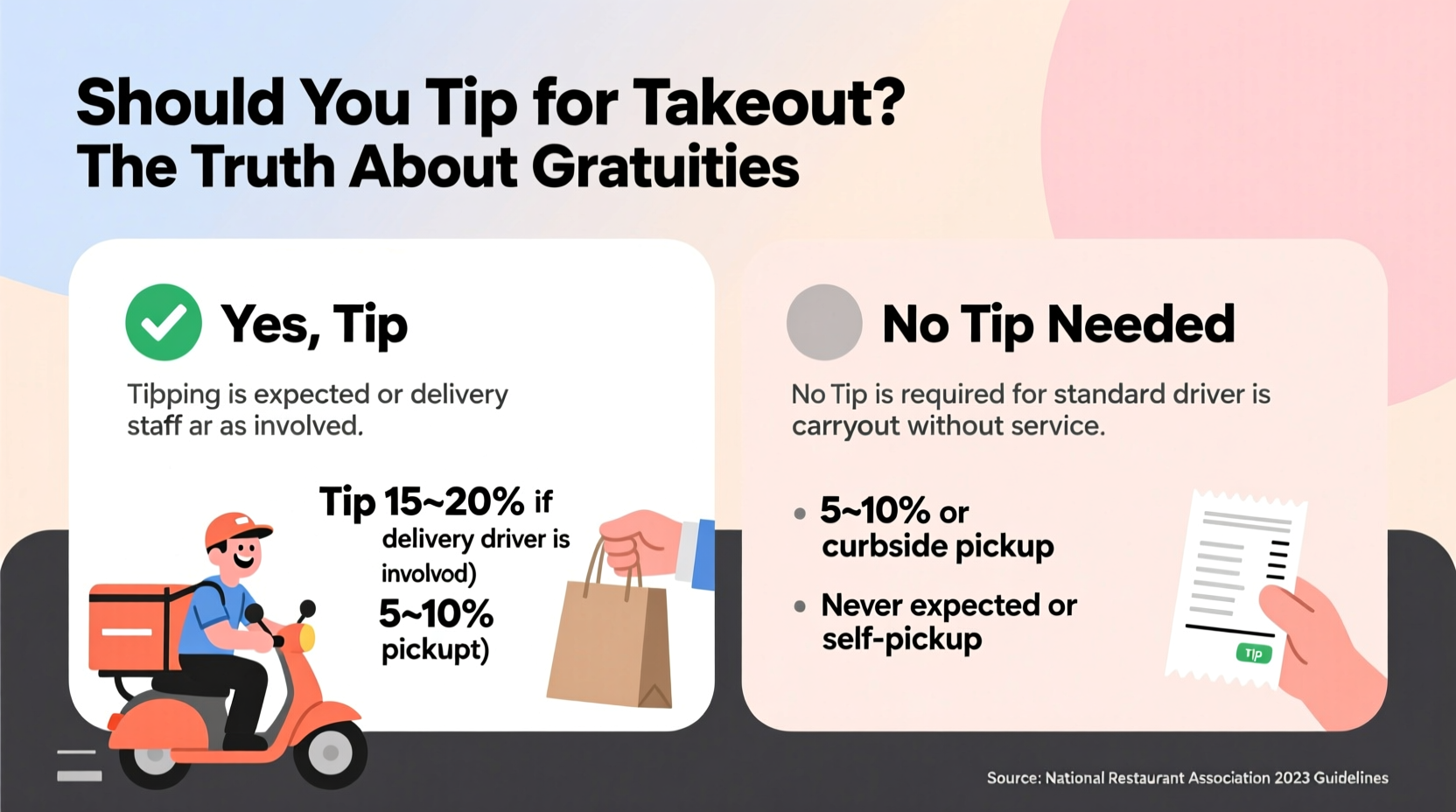
Many people assume that takeout requires less work than full-service dining. But this assumption overlooks the behind-the-scenes effort involved. When you order takeout, multiple employees are typically involved:
- Cooks prepare your food exactly as they would for dine-in guests.
- Prep staff ensure ingredients are ready, sauces are stocked, and packaging is available.
- Runners or counter staff assemble your order, double-check items, and manage timing.
- Customer-facing staff handle payment, answer questions, and hand off your bag with a smile — even during rushes.
In many restaurants, especially smaller ones, these roles aren’t siloed. A single employee might cook, pack, ring up your order, and wave you out the door. They're not just handing over pre-made food — they're delivering a complete service experience, even if you never sit down.
“Takeout may skip the table service, but it doesn’t skip the labor. Staff still coordinate timing, manage inventory, and ensure quality control.” — Maria Tran, Restaurant Operations Consultant
Moreover, most servers and kitchen staff rely on tips as part of their income structure, particularly in countries like the U.S., where the federal tipped minimum wage is $2.13 per hour. Even if your order is picked up rather than delivered, support staff may share in tip pools. This means your tip could indirectly benefit dishwashers, hosts, or prep cooks earning below minimum wage.
When You Should (and Shouldn’t) Tip for Takeout
Tipping isn’t automatic — context matters. Here’s a practical framework for deciding whether a tip is appropriate.
Situations Where Tipping Is Expected
- Full menu orders from sit-down restaurants – If you’re ordering steak, pasta, or complex dishes from a place that primarily serves dine-in customers, tipping 10–15% is standard.
- Customizations or special requests – Asking for substitutions, allergen adjustments, or off-menu items increases labor. A tip shows appreciation for the extra effort.
- Large or group orders – Feeding six people via pickup takes planning, packaging, and time. Consider tipping 15% or more.
- Orders during peak hours – Picking up dinner at 7 PM on a Friday means staff are stretched thin. A tip helps recognize high-pressure work.
Situations Where Tipping Is Optional (But Still Appreciated)
- Fast-casual chains (e.g., Chipotle, Panera) – These businesses operate on speed and efficiency, and staff are typically paid hourly wages. Tipping isn’t expected, but $1–$2 for complex or large orders is kind.
- Drive-thru pickups – Since interaction is minimal and service is streamlined, tipping is not customary unless an employee goes out of their way.
- Prepaid, app-based orders with no interaction – If you’ve already paid service fees or delivery charges through an app, an additional tip isn’t required — though still welcome.
Situations Where Tipping May Not Be Necessary
- Self-service pickup shelves – Some restaurants use digital alerts and unattended pickup zones. No direct labor is involved post-payment.
- Orders with explicit “no tip” policies – A few establishments build service into pricing and discourage tipping. Respect their model.
“Tipping should reflect effort, not just convenience. If someone went out of their way to get your order right, acknowledge it.” — Jamal Rivers, Former Server and Hospitality Trainer
How Much Should You Tip? A Practical Guide
If you’ve decided to tip, the next question is: how much? Unlike dine-in service, where 15–20% is standard, takeout lacks rigid rules. However, several factors can guide your decision.
| Order Type | Recommended Tip | Notes |
|---|---|---|
| Standard takeout from a full-service restaurant | 10–15% | Applies to most casual or fine dining pickups |
| Large party or catering-style order | 15–20% | Justifies extra coordination and packaging |
| Fast-casual or counter-service chain | $1–$3 or 5–10% | Optional but appreciated for accuracy or kindness |
| Curbside or drive-thru pickup | $0–$2 | Only if staff bring food to your car or assist unusually |
| App-ordered pickup (e.g., DoorDash, Uber Eats) | As prompted in-app | Often includes built-in tip prompts; adjust based on service |
When calculating your tip, consider both monetary value and effort. A $60 family dinner with multiple sides, sauces, and reheating instructions deserves more recognition than a $12 sandwich ordered ahead.
A Real-World Example: The Friday Night Dilemma
Sarah, a marketing manager in Chicago, regularly picks up dinner from Luigi’s Trattoria on Fridays. It’s a family-owned Italian spot known for its handmade ravioli and warm service. One rainy evening, she calls ahead to order four entrees, garlic bread, and two desserts — all to go.
When she arrives, the hostess greets her by name, confirms the order, and hands over three carefully packed bags with napkins, silverware, and extra marinara. The entire process takes less than a minute, but Sarah notices the kitchen staff still bustling, plating dishes for dine-in guests.
She pays $82.50 and sees a screen prompt: “Suggest tip: $12.38 (15%)”. She hesitates. “It’s takeout,” she thinks. “Do I really need to tip?”
She decides to leave $10 in cash on the counter, along with a thank-you note.
Later, the manager shares with her that tips from takeout orders are pooled among kitchen staff, including the dishwasher who earns $13/hour. That $10 contributed to nearly 20% of his nightly earnings from tips.
Sarah now tips consistently — not out of guilt, but understanding. She realizes her small gesture supports real people working hard behind the scenes.
Step-by-Step: How to Decide Whether and How Much to Tip
Follow this decision-making timeline the next time you pick up food:
- Assess the type of restaurant. Is it full-service, fast-casual, or quick-service? Full-service = higher expectation to tip.
- Evaluate order complexity. Did you request modifications, multiple bags, or reheating instructions? More complexity = stronger case for tipping.
- Note staff interaction. Were they friendly, accurate, and efficient? Personal service increases tipping justification.
- Check for digital prompts. Apps and POS systems often suggest tips. Use them as a baseline, but adjust based on your judgment.
- Decide on amount. Use the 10–15% rule for full-service takeout, $1–$3 for fast-casual, and round up when in doubt.
- Pay appropriately. Add tip via card, leave cash, or include it in mobile payment — ensure it reaches staff.
Common Misconceptions About Takeout Tipping
Several myths persist about tipping for takeout. Let’s clarify them:
- Myth: “No table service = no tip.” Reality: Table service is only one component. Food preparation, packaging, and customer service still require labor.
- Myth: “The restaurant markup covers everything.” Reality: Most restaurants operate on slim margins. Higher prices rarely translate to higher wages for frontline staff.
- Myth: “If I don’t interact with anyone, I shouldn’t tip.” Reality: Even self-pickup relies on staff who prepared and staged your order. Lack of interaction doesn’t erase effort.
- Myth: “Tipping is charity, not obligation.” Reality: In the U.S., tipping is part of the wage system. For many workers, it’s not a bonus — it’s essential income.
Frequently Asked Questions
Is it rude not to tip on takeout?
It depends on context. Skipping a tip at a fast-casual chain is generally acceptable. But failing to tip at a full-service restaurant that prepared a complex takeout meal may be seen as inconsiderate, especially if staff provided good service.
Should I tip more if I order ahead online?
Not necessarily. If the platform includes a tip option, use it wisely. If you're charged a service fee, check whether it goes to staff or the company. When in doubt, add a small tip — especially for large or customized orders.
What if the restaurant adds an automatic gratuity for large takeout orders?
Some restaurants impose an 18–20% automatic gratuity on orders over a certain size (e.g., $100+). This is common and fair, as large orders demand significant labor. Review your receipt to confirm — and don’t double-tip unless you feel the service exceeded expectations.
Checklist: Your Takeout Tipping Decision Guide
Before you leave the counter or submit your app order, ask yourself:
- ✅ Was this order prepared fresh, like a dine-in meal?
- ✅ Did I request customizations or special handling?
- ✅ Did staff provide friendly, accurate service?
- ✅ Is this a full-service restaurant (not fast-food)?
- ✅ Am I picking up during a busy period?
If you answered yes to two or more, tipping 10–15% is a thoughtful choice.
Conclusion: Tip with Intention, Not Guilt
Tipping for takeout isn’t about rigid rules — it’s about intentionality. It’s recognizing that food doesn’t magically appear in a bag. Real people cooked it, packed it, and handed it to you, often while managing dozens of other tasks.
You don’t need to tip 20% on every sandwich. But when you order a full meal from a restaurant that treats takeout with care, a modest tip reflects gratitude and fairness. Over time, these small acts collectively support better wages, lower turnover, and a more sustainable food service industry.
Next time you pick up dinner, pause for a moment. Consider the labor behind the meal. Then decide: not based on habit, guilt, or social pressure — but on respect.




 浙公网安备
33010002000092号
浙公网安备
33010002000092号 浙B2-20120091-4
Comments
No comments yet. Why don't you start the discussion?