
Clean produce isn't just about appearance—it's a critical step in protecting your health. Fruits and vegetables often carry pesticide residues, dirt, bacteria like E. coli or Salmonella, and waxes used during packaging. While rinsing under tap water is common, many home cooks have turned to vinegar as a natural cleaning alternative. But does it work? And more importantly, is it the most effective method available?
This article examines the science behind using vinegar to wash produce, compares it to other techniques, and provides practical, evidence-based guidance for safely preparing fresh fruits and vegetables at home.
The Science Behind Vinegar as a Produce Wash
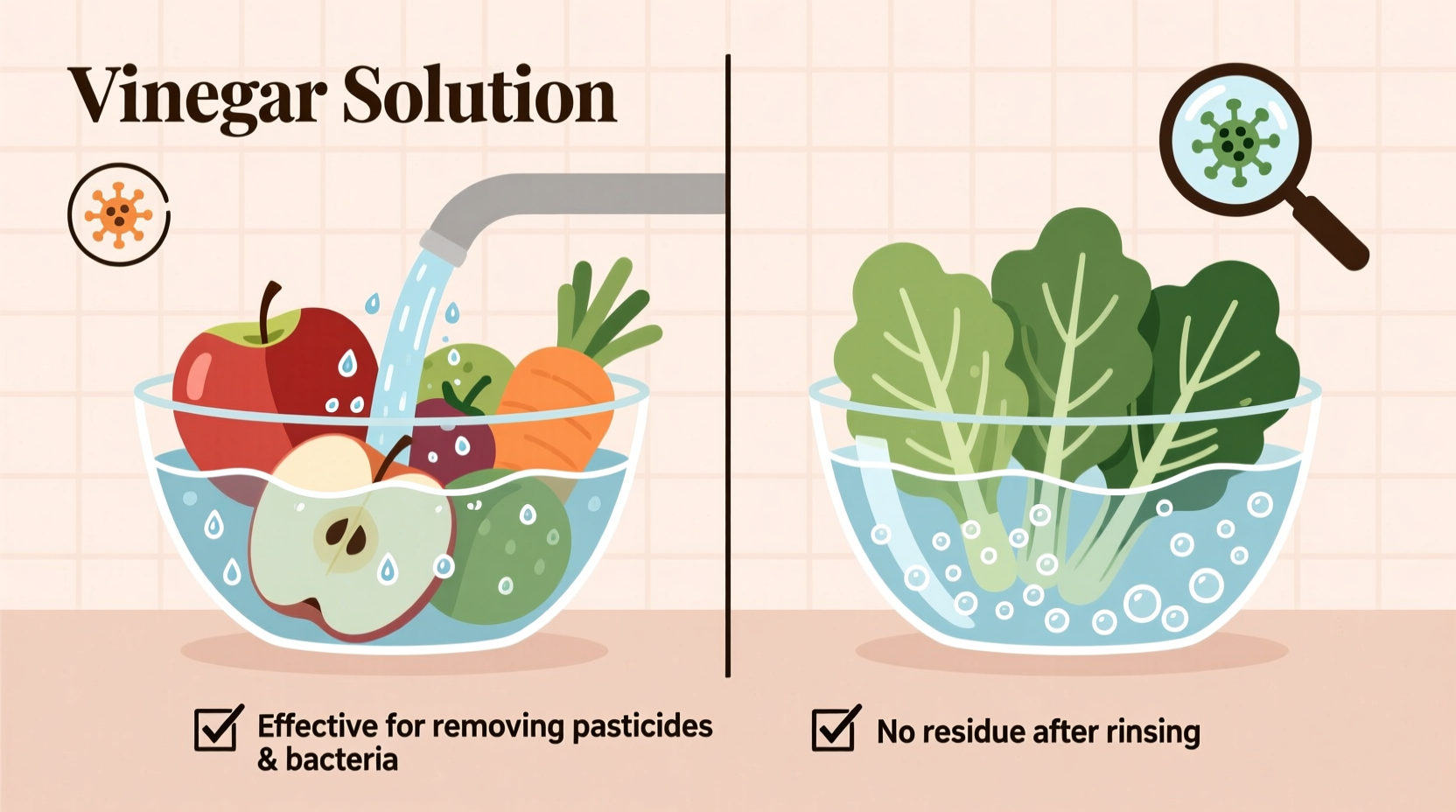
Vinegar—specifically white distilled vinegar—contains acetic acid, which has antimicrobial properties. Studies have shown that acetic acid can disrupt the cell membranes of certain bacteria and viruses, making it a plausible candidate for surface disinfection.
A 2017 study published in *Food Control* found that soaking produce in a solution of 3 parts water to 1 part vinegar reduced populations of E. coli, Listeria, and Salmonella on apples, cucumbers, and lettuce by up to 90%. However, it did not eliminate all pathogens completely. Importantly, while vinegar reduced microbial load, it was less effective than commercial sanitizers used in food processing—but still significantly better than plain water alone.
Another key point: vinegar helps dissolve wax coatings and removes some pesticide residues. A 2003 study from the University of Maine showed that a vinegar soak removed approximately 98% of surface pesticide residues on strawberries compared to 83% with tap water.
“Vinegar can reduce bacteria and pesticides on produce, but it’s not a sterilant. It should be seen as an extra layer of protection, not a replacement for proper handling.” — Dr. Benjamin Chapman, Food Safety Specialist, NC State University
Step-by-Step Guide: How to Wash Produce with Vinegar
If you choose to use vinegar, follow this simple, effective process to maximize cleanliness without damaging your fruits or vegetables.
- Prepare the solution: Mix 1 part white vinegar with 3 parts cold water in a large bowl or clean sink. For example, 1 cup vinegar + 3 cups water.
- Soak the produce: Submerge fruits or vegetables for 10–15 minutes. Delicate items like berries should only soak for 2–3 minutes to avoid sogginess.
- Rub gently: For firm produce (apples, potatoes, cucumbers), use your hands or a soft brush to scrub the surface during soaking.
- Rinse thoroughly: After soaking, rinse each item under cool running water to remove any residual vinegar taste or smell.
- Dry completely: Use a clean paper towel or cloth towel to dry the produce. Drying further reduces microbes and prevents spoilage during storage.
This method works well for apples, grapes, peppers, carrots, and leafy greens. However, porous or delicate fruits like raspberries, mushrooms, or peaches require gentler handling to prevent water absorption and texture degradation.
Comparing Cleaning Methods: What Works Best?
Not all produce-washing techniques are equally effective. Here’s a comparison of common methods based on scientific research and food safety guidelines.
| Method | Effectiveness Against Bacteria | Pesticide Removal | Safety & Practicality |
|---|---|---|---|
| Plain Running Water | Moderate (removes ~70-80% surface bacteria) | Fair (removes loose residues) | Safe, easy, recommended by FDA |
| Vinegar Soak (1:3 ratio) | Good (up to 90% reduction) | Good (especially waxy surfaces) | Safe; may alter flavor if not rinsed |
| Baking Soda Solution (1 tsp per 2 cups water) | Fair | Excellent (breaks down certain pesticides) | Very safe; ideal for apples and pears |
| Commercial Produce Washes | Variable (some no better than water) | Variable | Generally safe but often overpriced |
| Hydrogen Peroxide (3%, diluted) | Very Good | Good | Use cautiously; must rinse thoroughly |
According to research from the Journal of Agricultural and Food Chemistry, a baking soda solution was particularly effective at removing two common pesticides—thiabendazole and phosmet—from apple skins when soaked for 12–15 minutes. However, it doesn’t offer the same antimicrobial benefit as vinegar.
Common Mistakes That Compromise Produce Safety
Even with the right tools, improper technique can undermine your efforts. These common errors reduce the effectiveness of any cleaning method:
- Skipping the rinse after vinegar soak: Residual vinegar can affect taste and may irritate sensitive stomachs.
- Using hot water: Can cause produce to absorb contaminants or become mushy. Always use cold water.
- Washing too early: Washing berries or greens before storage encourages mold growth. Wait until just before eating.
- Cross-contamination: Using the same cutting board or cloth for raw meat and produce spreads harmful bacteria.
- Ignoring the sink and tools: A dirty colander or contaminated sink basin can recontaminate cleaned produce.
Always wash your hands before handling produce, and clean countertops, sinks, and utensils with hot, soapy water before starting.
Real Example: Reducing Risk in a Family Kitchen
Sarah, a mother of three in Portland, Oregon, began experiencing frequent stomach bugs in her household despite careful meal planning. After consulting a pediatric dietitian, she realized her family was consuming unwashed pre-bagged salads and skipping rinses on “pre-washed” spinach.
She implemented a new routine: all produce—except sealed \"ready-to-eat\" bags with USDA certification—is now washed using a vinegar soak or baking soda solution, followed by thorough rinsing and drying. She also assigned color-coded cutting boards and instituted a nightly sink sanitation habit.
Within two months, gastrointestinal issues in the household dropped significantly. While correlation isn’t causation, Sarah credits improved produce hygiene as a key factor. Her experience reflects broader public health advice: small changes in kitchen habits can yield meaningful health benefits.
Checklist: Safe Fruit and Vegetable Washing Routine
Follow this checklist every time you prepare fresh produce:
- ☐ Wash hands with soap and water for 20 seconds before starting
- ☐ Inspect produce for bruises or damage (cut out affected areas)
- ☐ Rinse under cool, running water—even if you plan to peel it
- ☐ For firm produce, use a clean produce brush to scrub the surface
- ☐ For extra cleaning, soak in vinegar (1:3) or baking soda solution
- ☐ Rinse again thoroughly after soaking
- ☐ Dry with a clean towel or paper towel
- ☐ Store in a clean container in the refrigerator
- ☐ Clean all tools, sinks, and surfaces immediately after use
This routine applies whether you’re serving raw fruit salad or cooking vegetables. Remember: cooking kills many pathogens, but raw produce consumed fresh relies entirely on pre-consumption cleaning.
Frequently Asked Questions
Is vinegar safe to use on all types of produce?
Yes, vinegar is generally safe for most fruits and vegetables, but use caution with porous or delicate items like berries, mushrooms, or tomatoes. Short soaks (2–3 minutes) and immediate drying help prevent sogginess. Always rinse afterward to avoid lingering sourness.
Do I need to wash organic produce?
Yes. While organic farming limits synthetic pesticides, organic produce can still carry soil bacteria, natural pesticides, or contaminants from handling and transport. The FDA recommends washing all fresh produce regardless of source.
Can I store vinegar-washed produce?
Only if it’s fully dried. Moisture promotes mold and bacterial growth. Once washed and dried, store in breathable containers or paper-towel-lined bins in the fridge. Do not store wet produce in sealed plastic bags.
Final Recommendations and Best Practices
Washing fruits and vegetables with vinegar is a practical, low-cost method that enhances food safety. It outperforms plain water in reducing bacteria and removing wax and some pesticide residues. However, it should be viewed as one component of a broader food safety strategy—not a standalone solution.
The most effective approach combines multiple steps: start with running water, consider a vinegar or baking soda soak for high-risk items (like apples, strawberries, or leafy greens), scrub firm produce, and always dry thoroughly. Avoid over-reliance on commercial washes, which often lack proven superiority and increase costs.
Equally important is preventing recontamination. A freshly washed apple placed on a dirty counter or cut with a soiled knife becomes unsafe instantly. Hygiene extends beyond the sink—it encompasses your entire kitchen environment.
“The goal isn’t sterile produce—it’s risk reduction. Every clean step you take lowers the chance of foodborne illness.” — Dr. Laura Green, Public Health Nutritionist
Conclusion: Take Action for Safer Meals
Cleaning your fruits and vegetables properly is one of the simplest yet most impactful things you can do for your family’s health. Whether you choose vinegar, baking soda, or plain water, consistency and technique matter most. By adopting science-backed practices and avoiding common pitfalls, you ensure that the nutritious produce on your table stays safe from farm to fork.




 浙公网安备
33010002000092号
浙公网安备
33010002000092号 浙B2-20120091-4
Comments
No comments yet. Why don't you start the discussion?