
Choosing the right bag for daily life isn’t just about aesthetics—it’s about function, comfort, and long-term usability. Whether you're commuting to work, running errands, or navigating a full day of meetings, your bag carries more than just your belongings; it impacts your posture, energy levels, and even productivity. Two of the most common options—shoulder bags and backpacks—each have loyal followings, but which one truly wins in practicality for everyday use? The answer depends on your lifestyle, load, and personal priorities.
Comfort and Ergonomics: How Weight Distribution Affects Your Body
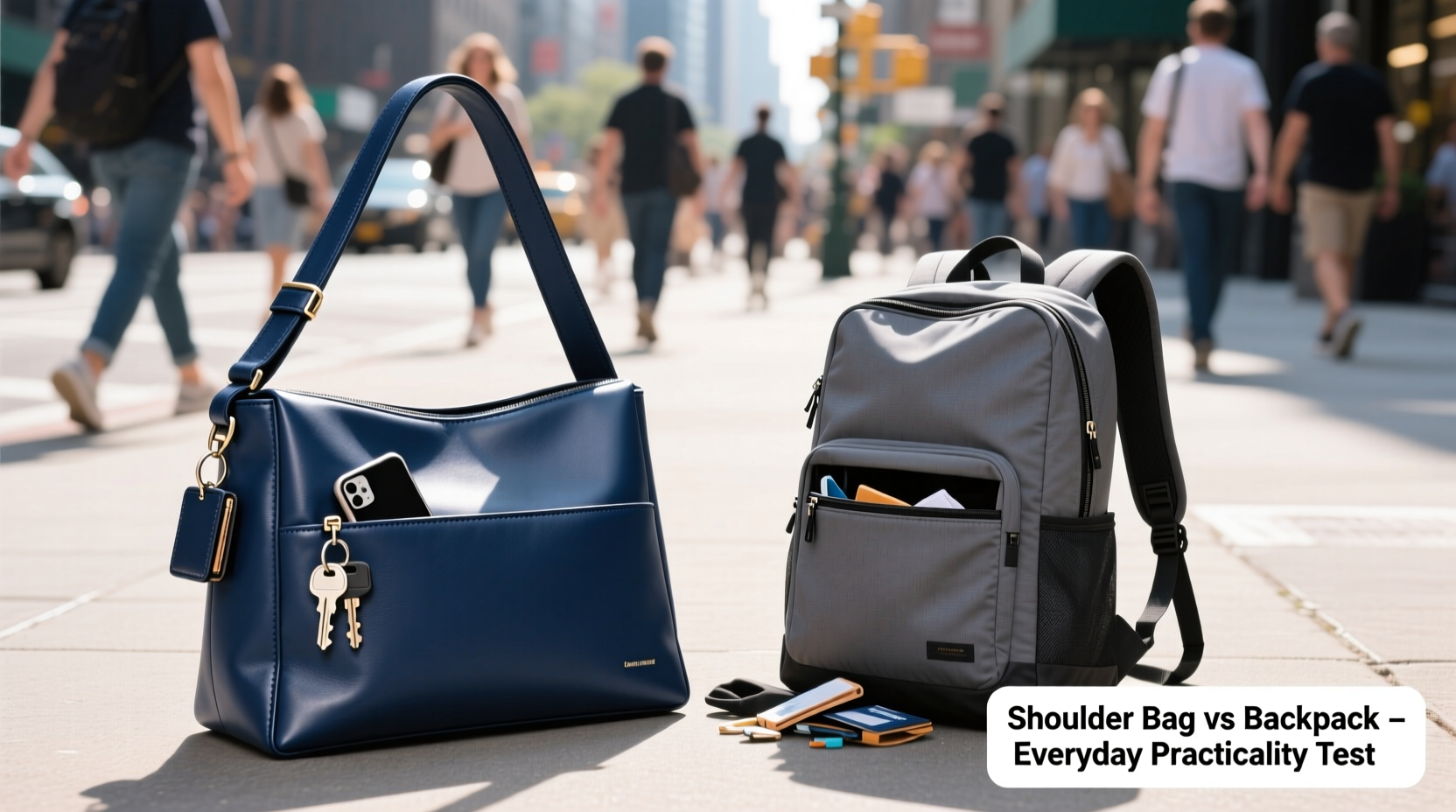
One of the most critical factors in choosing a daily carry is how the bag affects your body over time. Carrying weight improperly can lead to shoulder strain, neck pain, and poor posture. This is where design differences between shoulder bags and backpacks become significant.
A single-strap shoulder bag concentrates all weight on one side of the body. Even with padded straps, uneven loading forces your spine to compensate, potentially leading to muscle imbalances. According to Dr. Lena Torres, a physical therapist specializing in ergonomic wellness:
“Carrying a heavy shoulder bag regularly can mimic scoliosis-like postural shifts. Over months or years, this contributes to chronic discomfort, especially in the trapezius and cervical regions.” — Dr. Lena Torres, DPT
In contrast, backpacks distribute weight across both shoulders and, when properly adjusted, align closely with your center of gravity. Dual straps reduce pressure on any single point and allow for better spinal alignment. High-quality backpacks with chest and waist straps further stabilize heavier loads, making them ideal for those who carry laptops, notebooks, or gym clothes daily.
Capacity and Organization: What Can You Actually Fit?
Practicality also hinges on how much you need to carry. While fashion-forward shoulder bags are often sleek and compact, they frequently sacrifice interior space for style. Most standard shoulder bags max out at 10–15 liters, limiting their utility for anyone beyond minimalists.
Backpacks, on the other hand, typically offer 18–30 liters of storage, with dedicated compartments for laptops (up to 17 inches), tablets, water bottles, and accessories. Many feature organizational pockets, RFID-safe slots, and even hidden anti-theft zippers—details that enhance both functionality and security.
Consider this comparison:
| Feature | Shoulder Bag | Backpack |
|---|---|---|
| Average Capacity | 8–15L | 18–30L |
| Laptop Sleeve | Sometimes (smaller sizes) | Standard (13”–17”) |
| Water Bottle Pocket | Rare | Common |
| Quick Access Pockets | Front flap or top zip | Multiple external zips |
| Security Features | Limited | Anti-theft zippers, lockable buckles |
If your day requires multiple devices, chargers, snacks, or weather-appropriate layers, a backpack simply offers more room without forcing you into a cluttered, overstuffed situation.
Style vs. Substance: When Aesthetics Clash with Utility
Let’s not ignore the visual appeal. Shoulder bags dominate fashion editorials and streetwear photography for good reason—they’re elegant, versatile, and effortlessly stylish. A well-designed leather crossbody or structured tote can elevate an outfit instantly. For professionals in creative industries or client-facing roles, appearance matters, and a shoulder bag may align better with brand image.
However, style shouldn’t come at the cost of sustainability. Many fashionable shoulder bags lack padding, structure, or durable hardware, leading to faster wear and tear. In contrast, modern backpacks have evolved beyond the schoolyard look. Sleek, minimalist designs from brands like Aer, Bellroy, and Targus blend professional aesthetics with technical performance—think water-resistant fabrics, magnetic closures, and understated silhouettes suitable for office environments.
The key is balancing form and function. Ask yourself: Are you choosing this bag because it looks good in photos, or because it supports your daily routine?
Real-World Use Case: Commuter Life in a Major City
Take the example of Maya, a graphic designer living in Chicago. Her commute involves a 25-minute walk to the L train, a 40-minute ride, and another 10-minute walk to her downtown studio. She carries a 15-inch laptop, sketchbook, tablet, headphones, lunch container, and umbrella during rainy seasons.
Initially, she used a chic shoulder tote. Within three weeks, she developed persistent left-shoulder pain and found herself constantly adjusting the strap. On crowded trains, the bag swung awkwardly, knocking into others. After switching to a slim, professional-looking backpack with ventilated back padding and a front-loading main compartment, her comfort improved dramatically. She reported less fatigue, faster access to her gear, and no more accidental elbowing strangers.
Maya’s experience reflects a broader trend: urban commuters benefit significantly from the balanced load and hands-free mobility of backpacks, especially when navigating public transit, stairs, or inclement weather.
When a Shoulder Bag Makes Sense
This isn’t to say shoulder bags are obsolete. They excel in specific scenarios:
- Short trips: Running to a café, quick errands, or social outings where you only need keys, phone, wallet, and sunglasses.
- Fashion-focused settings: Events, dates, or workplaces where professional appearance outweighs load requirements.
- Easy access needs: Shoulder bags open more readily than backpacks, making them ideal for photographers, journalists, or anyone needing frequent item retrieval.
Crossbody styles add security by positioning the bag in front of the body, reducing theft risk in crowded areas. Their low profile also makes them excellent airplane carry-ons when overhead space is tight.
Step-by-Step: Choosing the Right Bag for Your Routine
Follow this decision-making process to identify your optimal daily carry:
- Inventory your essentials: List everything you carry daily. Weigh the total if possible (laptops alone can be 3–5 lbs).
- Map your movement: Do you walk more than 20 minutes? Take stairs? Ride transit? These factors favor balanced weight distribution.
- Evaluate access frequency: Need constant access to items? A shoulder bag might suit better. Mostly opening once or twice a day? A backpack works.
- Assess your environment: Rainy climate? Look for water-resistant materials. Theft-prone area? Consider anti-theft features.
- Test before committing: Carry your loaded candidate for a full day. Note any discomfort, imbalance, or inconvenience.
FAQ: Common Questions About Daily Carry Bags
Can I use a backpack in a formal office setting?
Yes—many modern backpacks are designed specifically for business professionals. Look for neutral colors (black, navy, charcoal), minimal branding, and refined materials like ballistic nylon or textured polyester. Avoid bright logos or sporty designs.
Are shoulder bags bad for my posture?
They can be, especially if heavily loaded or used for extended periods. Occasional or light use poses little risk, but regular carrying of >5 lbs on one shoulder increases chances of musculoskeletal strain.
What’s the most practical compromise between style and function?
A hybrid solution: a slim, front-loading backpack with a clean silhouette, or a padded crossbody with a wide, adjustable strap. Some brands now offer “backpack-tote” convertible models, giving flexibility based on the day’s demands.
Final Verdict: Which Is More Practical?
For the majority of people with active, mobile lifestyles, the backpack emerges as the more practical choice for everyday use. Its superior weight distribution, greater capacity, and enhanced ergonomics make it a sustainable option for long-term comfort and efficiency. Advances in design have erased the stigma of “unprofessional” looks, offering sleek, functional alternatives that fit seamlessly into urban and corporate environments.
That said, shoulder bags retain value for lighter loads, fashion-conscious contexts, and situations requiring rapid access. The smart approach isn’t loyalty to one type—but adaptability. Consider owning both: a backpack for heavy-duty days, and a shoulder bag for minimalist outings.
“The best bag is the one that disappears into your routine—not the one you’re constantly adjusting, emptying, or regretting.” — Marcus Lin, Urban Gear Designer
Ready to Make the Switch?
If you’ve been enduring shoulder pain or struggling with disorganized gear, now is the time to reevaluate your daily carry. Don’t let habit dictate your comfort. Try a well-fitted backpack for one week. Track your energy, posture, and ease of movement. You might find that practicality doesn’t mean sacrificing style—it means enhancing your daily experience.




 浙公网安备
33010002000092号
浙公网安备
33010002000092号 浙B2-20120091-4
Comments
No comments yet. Why don't you start the discussion?