
Many people notice a troubling pattern: they fall ill with similar symptoms—fatigue, congestion, sore throat, or respiratory issues—each year during the same season. Whether it’s autumn, winter, or even spring, recurring sickness can disrupt work, family life, and overall well-being. While it may seem like bad luck, there are often identifiable triggers behind this annual cycle. Understanding the root causes and taking proactive steps can help you avoid becoming a seasonal statistic.
The Seasonal Illness Cycle: Why It Happens
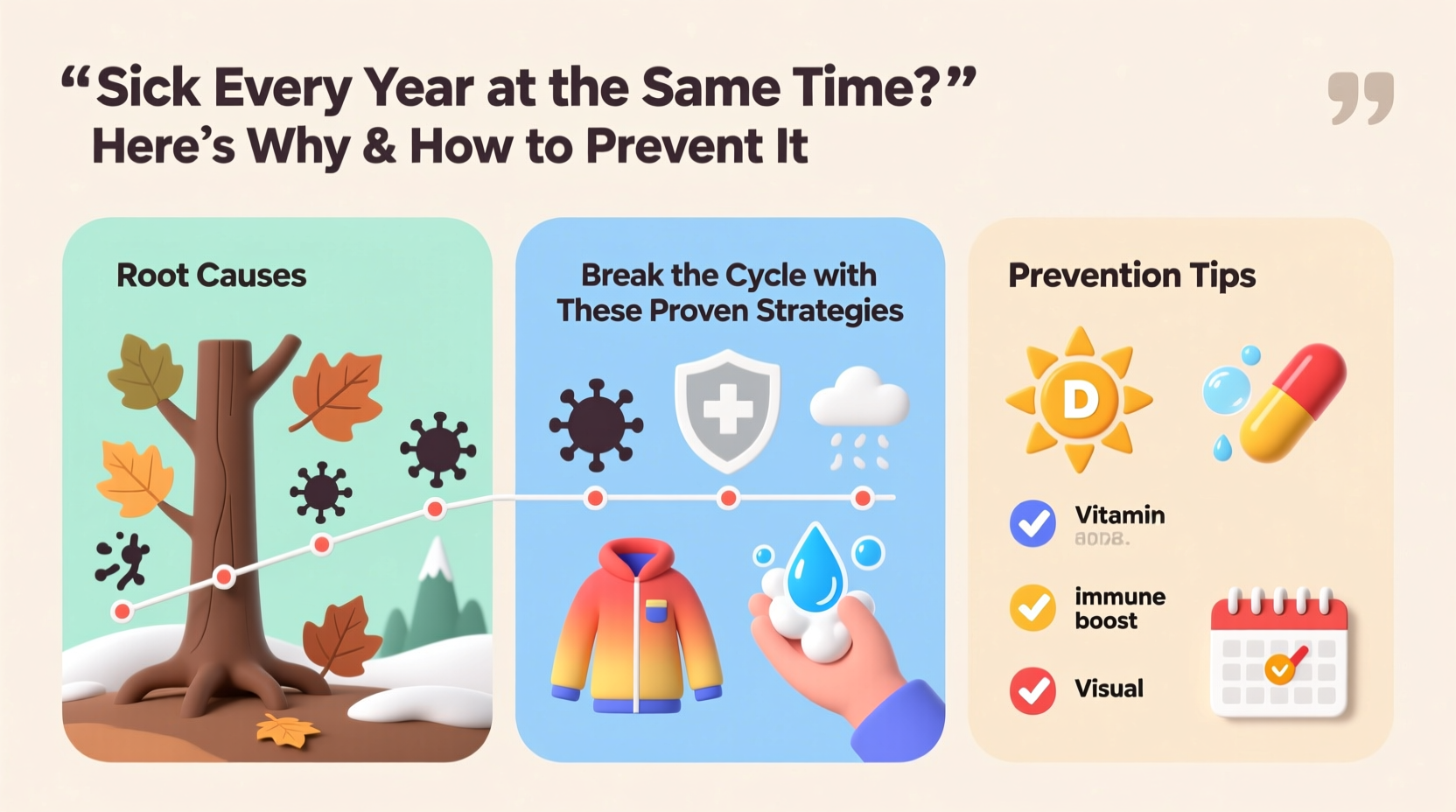
Recurrent illness at the same time each year is more common than many realize. The human immune system doesn’t operate in isolation—it responds dynamically to environmental changes, lifestyle habits, and biological rhythms. Several factors contribute to why you might feel under the weather on an annual basis.
One primary reason is exposure to seasonal allergens. For example, ragweed pollen peaks in late summer and early fall, triggering allergic reactions that weaken mucosal defenses and make individuals more susceptible to viral infections. Similarly, mold spores thrive in damp autumn leaves or humid basements, increasing respiratory irritation.
Another major contributor is reduced sunlight during shorter days. Less natural light leads to lower vitamin D synthesis, which plays a critical role in immune regulation. Studies show that individuals with low vitamin D levels are more prone to upper respiratory infections, especially during fall and winter months.
“Seasonal patterns in illness often reflect a combination of environmental exposure, immune modulation, and behavioral changes.” — Dr. Lena Patel, Immunologist at Boston Medical Research Institute
Common Triggers Behind Annual Sickness
Beyond allergies and vitamin D deficiency, several interconnected factors create the perfect storm for yearly illness:
- Viral Circulation Peaks: Influenza, RSV, and common cold viruses circulate more intensely in colder months due to increased indoor crowding and lower humidity, which allows viruses to survive longer in the air.
- Indoor Air Quality: Heating systems stir up dust, pet dander, and mold spores trapped over summer. Poor ventilation increases exposure to airborne pathogens.
- Stress Cycles: The holiday season, academic calendars, or fiscal year-end deadlines create predictable stress spikes. Chronic stress suppresses immune function by elevating cortisol levels.
- Lifestyle Shifts: People tend to exercise less, sleep irregularly, and consume more processed foods during certain seasons—all of which impair immune resilience.
- Latent Infections: Some viruses, like Epstein-Barr (linked to mononucleosis), remain dormant and reactivate when immunity dips due to fatigue or stress.
Prevention Strategies That Work
Breaking the cycle of annual illness requires a multifaceted approach. Instead of reacting after symptoms appear, focus on strengthening your body’s defenses before the high-risk season begins.
1. Optimize Vitamin D Levels
Have your vitamin D level tested in late summer or early fall. If below 30 ng/mL, supplementation (typically 1,000–4,000 IU daily) under medical guidance can significantly reduce infection risk. Natural sources include fatty fish, fortified dairy, and limited sun exposure.
2. Improve Indoor Air Quality
Replace HVAC filters every 60–90 days. Use HEPA air purifiers in bedrooms and living areas. Keep humidity between 40–60% to inhibit virus survival and prevent dry mucous membranes.
3. Prioritize Sleep and Stress Management
Consistent, high-quality sleep is one of the most powerful immune boosters. Aim for 7–9 hours nightly. Incorporate mindfulness practices such as meditation or deep breathing, especially during predictable stress periods.
4. Time Your Vaccinations
Get your flu shot by mid-October for optimal protection through winter. Consider discussing pneumococcal or RSV vaccines with your doctor if you're over 60 or have chronic conditions.
5. Strengthen Gut Health
Approximately 70% of the immune system resides in the gut. Consume fermented foods (yogurt, kimchi, kefir) and fiber-rich plants to support a diverse microbiome. Probiotic supplements may also help, particularly strains like *Lactobacillus rhamnosus* and *Bifidobacterium lactis*.
| Factor | Preventive Action | When to Start |
|---|---|---|
| Vitamin D Deficiency | Blood test + supplementation | August–September |
| Poor Indoor Air | HEPA filter + humidity control | Before heating season |
| Chronic Stress | Mindfulness + routine check-ins | Ongoing, intensify pre-season |
| Sleep Disruption | Fixed bedtime + screen curfew | At least 4 weeks prior |
| Weakened Immunity | Balanced diet + probiotics | Year-round, boost pre-fall |
Real-Life Example: Breaking the Autumn Cold Pattern
Sarah, a 38-year-old teacher from Ohio, had caught a cold every October for over a decade. Each year, she missed 3–5 days of school, blaming “bad timing” or student germs. After tracking her symptoms and habits, she noticed a pattern: her illness always began within two weeks of daylight saving time ending, coinciding with increased fatigue, later bedtimes, and reliance on indoor heating.
With her doctor’s advice, Sarah started supplementing with 2,000 IU of vitamin D daily in September, installed a HEPA air purifier in her bedroom, and committed to a 10:30 PM bedtime regardless of grading workload. She also began a daily 10-minute meditation practice. The following autumn, she remained symptom-free for the first time in years.
Her case illustrates how small, targeted interventions—timed correctly—can disrupt a long-standing health pattern.
Step-by-Step Prevention Timeline
To prepare effectively, begin your preventive measures at least four to six weeks before your typical illness window. Follow this timeline:
- 6 Weeks Before: Schedule a wellness check-up. Request a vitamin D test and review vaccination status.
- 5 Weeks Before: Deep-clean your home—vacuum upholstery, wash bedding, clean air vents. Replace HVAC filters.
- 4 Weeks Before: Begin vitamin D supplementation if advised. Introduce a probiotic into your routine.
- 3 Weeks Before: Establish a consistent sleep schedule. Reduce caffeine after noon.
- 2 Weeks Before: Get your flu vaccine. Start using an air purifier nightly.
- 1 Week Before: Practice stress-reduction techniques daily. Stock up on immune-supportive foods (citrus, garlic, leafy greens).
- Ongoing: Wash hands frequently, avoid touching your face, and stay hydrated.
Frequently Asked Questions
Why do I get sick every fall but not other seasons?
Fall brings multiple overlapping risks: cooling temperatures drive people indoors, increasing germ transmission; seasonal allergens like ragweed compromise nasal defenses; and declining sunlight reduces vitamin D, weakening immune response. These factors combine to create a vulnerable period for many individuals.
Can allergies really make me more likely to get infections?
Yes. Chronic nasal congestion and inflammation from allergies damage the protective mucus lining in your respiratory tract. This makes it easier for viruses and bacteria to take hold. Additionally, constant immune activation from allergies can lead to immune exhaustion, reducing your ability to fight off new threats.
Is it possible I’m just imagining the pattern?
Not necessarily. The human body follows circannual (yearly) rhythms influenced by light, temperature, and behavior. Many people experience predictable dips in energy or immunity tied to seasonal transitions. Tracking symptoms objectively—using a calendar or health app—helps confirm whether a real pattern exists.
Take Control of Your Seasonal Health
Getting sick at the same time every year isn’t inevitable. What feels like fate is often the result of repeated environmental exposures and lifestyle habits that quietly erode immunity. By identifying your personal triggers and acting early, you can build resilience and reclaim your health across seasons.
Start now—don’t wait until symptoms appear. Small, consistent actions compound into lasting change. Whether it’s adjusting your sleep schedule, improving indoor air, or optimizing nutrition, each step strengthens your body’s ability to resist illness. Share your journey with others who struggle with seasonal sickness. Together, we can move from reaction to prevention.




 浙公网安备
33010002000092号
浙公网安备
33010002000092号 浙B2-20120091-4
Comments
No comments yet. Why don't you start the discussion?