
Washing machines are essential household appliances, but their noise can be disruptive—especially in apartments, open-plan homes, or when running late-night cycles. Many users wonder: Is there a silent mode for washing machines? While no washing machine operates completely silently, modern technology and smart practices make it possible to significantly reduce noise levels. Understanding the sources of sound, choosing the right model, and optimizing installation and usage can bring you remarkably close to a “silent” laundry experience.
Understanding Washing Machine Noise: What Causes the Sound?
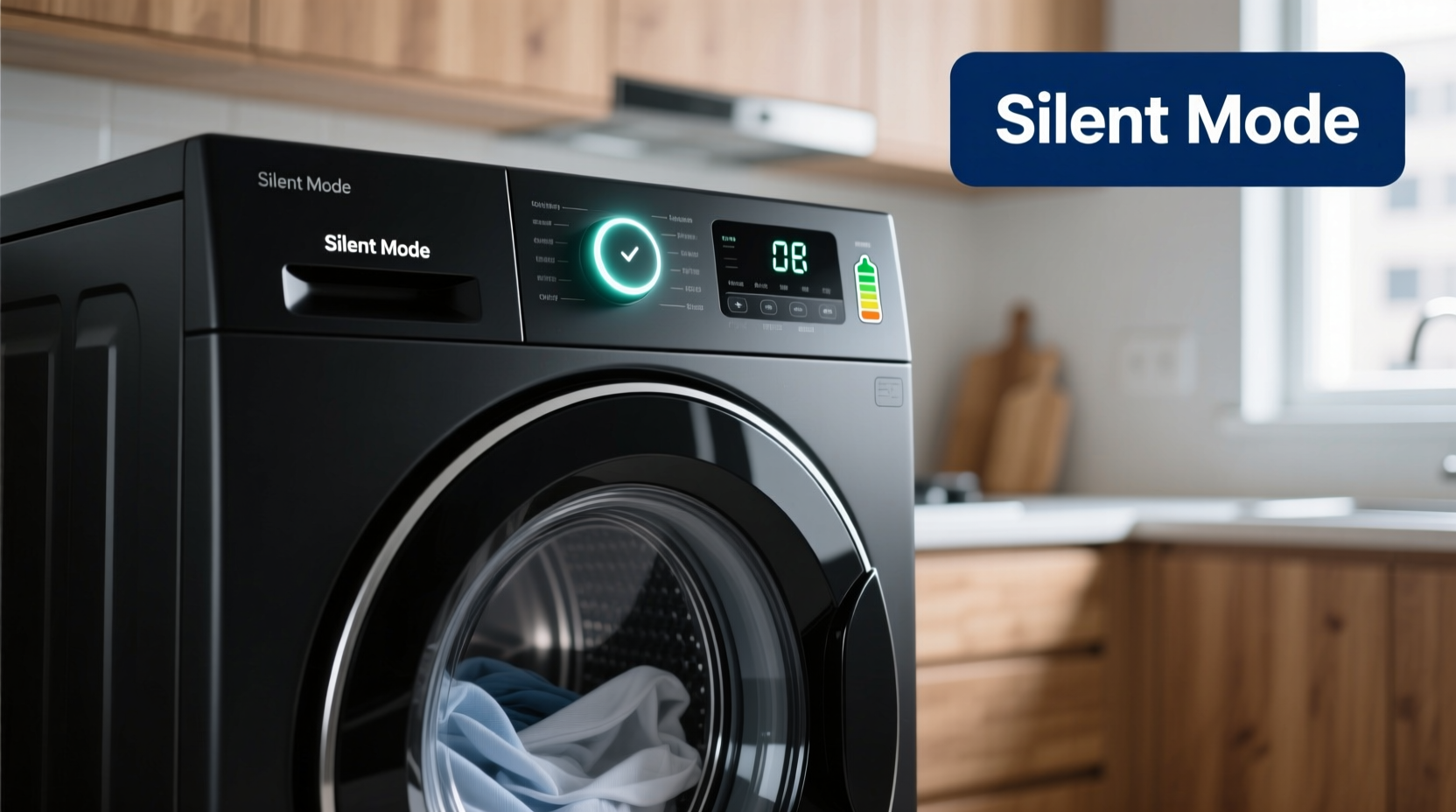
The noise generated by a washing machine comes from multiple mechanical and hydraulic processes. Identifying these sources helps in addressing them effectively:
- Motor and Drive System: The electric motor powers drum rotation. Older belt-driven systems tend to be noisier than modern direct-drive motors.
- Drum Spin (During Spin Cycle): High-speed spinning creates vibration and resonance, especially with unbalanced loads.
- Pump Operation: The drain pump activates during fill and drain phases, producing a low humming or gurgling sound.
- Water Inlet Valves: The rush of water entering the drum can produce a hissing or knocking noise.
- Vibration and Resonance: If the machine isn’t level or sits on an uneven floor, vibrations amplify noise through surrounding surfaces.
While eliminating all sound is unrealistic, minimizing each of these contributors brings noticeable improvements. Some high-end models even advertise “near-silent” operation during wash cycles, typically under 45 decibels (dB)—comparable to a quiet library.
Are There Washing Machines with Silent Mode?
True “silent mode” as a labeled feature is rare, but several manufacturers offer models engineered for minimal noise. These machines incorporate advanced technologies that function like a silent mode by reducing operational sound across cycles.
Brands such as LG, Bosch, Samsung, and Miele use direct-drive motors that eliminate belts and pulleys—the primary source of mechanical noise. LG’s “Inverter Direct Drive” technology, for example, reduces friction and allows smoother, quieter operation. Miele machines are renowned for acoustic insulation and precision engineering, often operating below 48 dB during wash and 72 dB during spin—among the quietest available.
“Modern direct-drive motors have reduced average washing machine noise by up to 30% compared to traditional belt-driven systems.” — Dr. Henrik Voss, Appliance Acoustics Researcher, Fraunhofer Institute
Some smart washing machines also include a “Night Wash” or “Silent Cycle” setting. This mode delays high-noise operations (like high-RPM spinning) until later hours or reduces spin speed to minimize sound. It doesn’t eliminate noise but schedules or moderates it intelligently.
How to Achieve a Quieter Washing Experience: A Step-by-Step Guide
Achieving near-silent operation involves a combination of appliance selection, proper setup, and usage habits. Follow this actionable guide to dramatically reduce your washing machine’s noise.
- Choose a Low-Noise Model
Select a front-loader with a direct-drive inverter motor. Look for decibel ratings: under 50 dB for wash and under 75 dB for spin is ideal. - Ensure Proper Installation
Level the machine using adjustable feet. An unlevel washer vibrates excessively. Use a bubble level to confirm stability. - Install on a Solid Surface
Avoid placing the machine on wooden floors without reinforcement. Concrete or tiled floors absorb less vibration. Use anti-vibration pads or mounting platforms. - Balance the Load Correctly
Overloading or uneven distribution causes drum imbalance, increasing noise during spin. Mix large and small items evenly. - Maintain the Machine Regularly
Clean the filter monthly, check hoses for kinks, and inspect suspension rods or shock absorbers every 6–12 months. - Use Rubber Isolation Pads
Place high-density rubber mats or specialized anti-vibration pads under each foot to dampen sound transmission. - Run Cycles During Off-Peak Hours
If noise can’t be eliminated, schedule washes when household activity is low—early morning or midday rather than late night.
Mini Case Study: Reducing Noise in an Urban Apartment
Sophie, a resident of a downtown Toronto condo, struggled with her washing machine disturbing neighbors during evening cycles. Her 5-year-old top-loader produced loud thumping sounds during spin, amplified by the building’s shared concrete walls. After consulting a technician, she discovered the machine was slightly tilted and lacked anti-vibration pads. She installed a leveling kit and added Sorbothane isolation mounts. Additionally, she switched to a front-loading Bosch model with an EcoSilence Drive motor. Post-upgrade, her machine operates at 47 dB during wash and uses a delayed start feature to run after 9 PM quietly. Neighbors reported no further disturbances.
Comparison Table: Features That Reduce Washing Machine Noise
| Feature | Noise Reduction Benefit | Common Brands | Cost Consideration |
|---|---|---|---|
| Direct-Drive Motor | Eliminates belt noise; smoother operation | LG, Miele, Siemens | $$$ |
| Inverter Motor | Adjusts speed smoothly; reduces mechanical strain | Samsung, Bosch, Whirlpool | $$ |
| Acoustic Insulation Panels | Blocks internal noise from escaping cabinet | Miele, Electrolux | $$$ |
| Anti-Vibration Feet/Pads | Dampens floor transmission | All (aftermarket) | $ |
| Night Wash / Silent Cycle | Delays spin or lowers RPM | LG, Samsung, Beko | $-$$ |
DIY and Smart Upgrades for Existing Machines
You don’t need to replace your current washing machine to enjoy quieter operation. Several affordable upgrades can help simulate a silent mode:
- Anti-Vibration Mats: Products like the Washer Vibration Absorber Pad made from thermoplastic elastomer reduce floor-borne noise by up to 50%.
- Sound Enclosures: Custom-built enclosures lined with acoustic foam can contain noise. Ensure ventilation to prevent overheating.
- Flexible Water Hoses: Replace rigid inlet hoses with braided stainless steel hoses with rubber lining to reduce water hammer noise.
- Load Balancing Aids: Use wool dryer balls or balancing rings inside the drum to stabilize heavy loads and reduce wobble.
Additionally, smart plugs with scheduling features allow you to automate wash cycles during quiet hours, even if your machine lacks a built-in timer. Pair this with low-noise detergents that require less agitation, and you’ve created a de facto silent laundry system.
Checklist: How to Make Your Washing Machine Quieter
- ☐ Verify the machine is level using a bubble level
- ☐ Install anti-vibration pads under each foot
- ☐ Clean the drain pump filter monthly
- ☐ Avoid overloading the drum
- ☐ Use the correct amount of high-efficiency (HE) detergent
- ☐ Schedule washes during daytime or off-peak hours
- ☐ Consider upgrading to a direct-drive model if noise persists
- ☐ Inspect suspension components annually
Frequently Asked Questions
Can a washing machine be completely silent?
No washing machine is entirely silent due to the mechanical nature of motors, pumps, and spinning drums. However, modern models with direct-drive motors and sound insulation can operate as quietly as 45–50 dB during the wash cycle, which is barely noticeable in a typical home environment.
Why does my washing machine get louder over time?
Increased noise often results from worn suspension rods, degraded shock absorbers, loose counterweights, or an unbalanced load. Regular maintenance, including checking leveling and cleaning filters, can prevent gradual noise buildup.
Does spin speed affect noise levels?
Yes. Higher spin speeds (1200–1600 RPM) generate more vibration and noise than lower speeds (800–1000 RPM). Choosing a lower spin setting reduces noise and is gentler on fabrics, though clothes may retain more moisture.
Conclusion: Toward a Quieter Laundry Routine
While true silent mode remains a functional ideal rather than a standard feature, today’s technology and practical interventions make whisper-quiet washing achievable. From selecting ultra-quiet models with inverter motors to installing anti-vibration solutions and optimizing usage patterns, every step contributes to a more peaceful home. Whether you live in a compact apartment or simply value a tranquil environment, reducing your washing machine’s noise is both feasible and worthwhile. Start with simple fixes like leveling and padding, then consider long-term upgrades for lasting results.




 浙公网安备
33010002000092号
浙公网安备
33010002000092号 浙B2-20120091-4
Comments
No comments yet. Why don't you start the discussion?