
Every time you upgrade your smartphone, one of the first accessories you likely consider is a protective case. With so many options on the market—silicone, plastic, hybrid designs—it’s easy to assume that a thicker, harder case automatically means better protection. But is that really true? Or are you just adding unnecessary bulk for minimal gain? The debate between silicone and plastic (typically polycarbonate) phone cases isn’t just about aesthetics; it’s about material science, impact absorption, and long-term usability.
Understanding how each material performs under stress, everyday wear, and accidental drops can help you make an informed decision—not just based on looks or price, but on actual protection.
Material Basics: What Are Silicone and Plastic Cases Made Of?
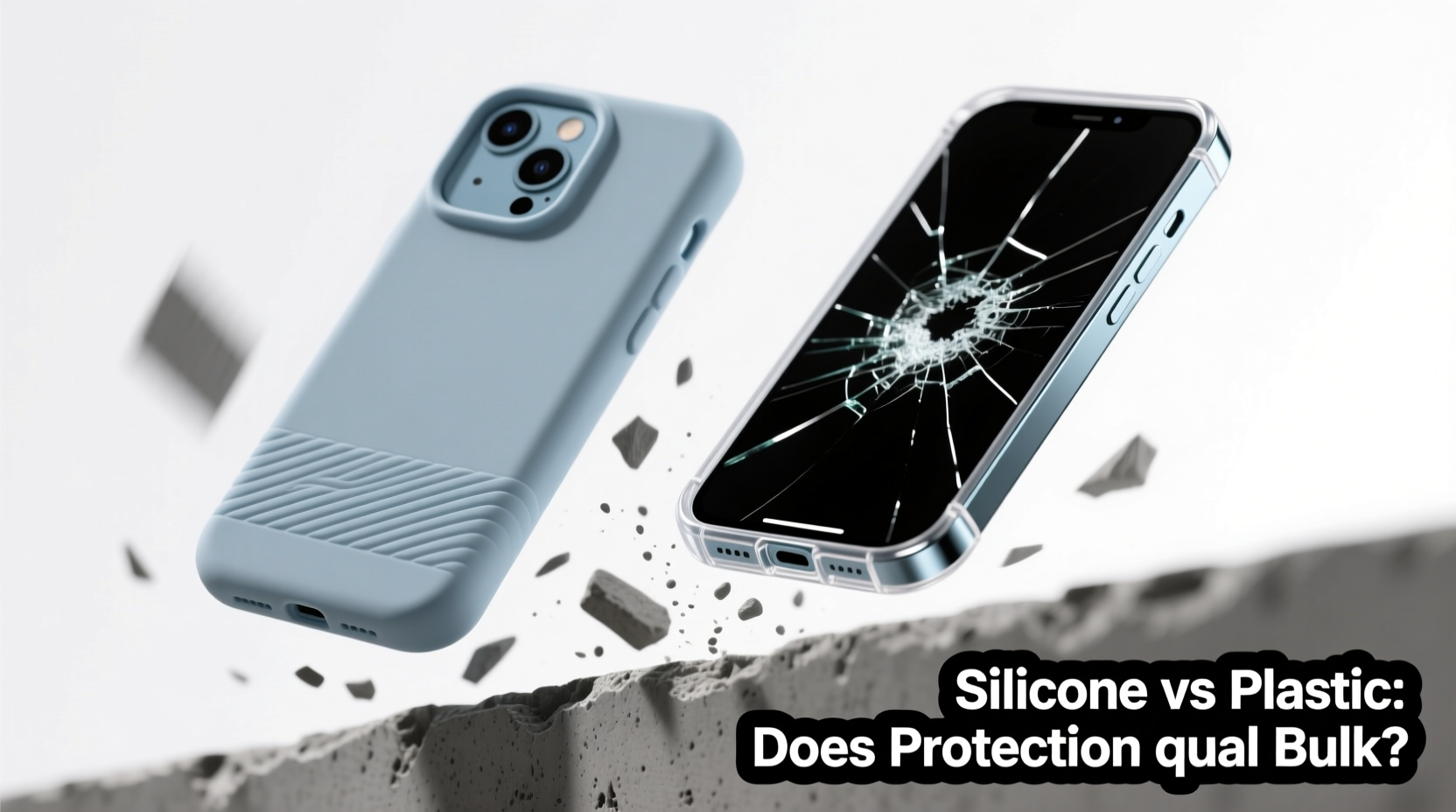
Silicone and plastic refer to two distinct categories of materials used in phone case manufacturing, each with unique physical properties.
- Silicone cases are made from a synthetic rubber-like polymer known for its flexibility, heat resistance, and soft texture. Most silicone cases feel smooth or slightly tacky and conform closely to the phone’s shape.
- Plastic cases, more accurately described as polycarbonate or thermoplastic polyurethane (TPU), are rigid or semi-rigid shells. Polycarbonate is a hard, transparent plastic often used in bulletproof glass and aerospace components due to its high impact strength.
While “plastic” is a broad term, when discussing phone cases, it typically refers to either hard polycarbonate outer shells or flexible TPU variants. For clarity, this article treats “plastic” as rigid polycarbonate unless otherwise specified.
Protection Showdown: Impact Resistance and Shock Absorption
The core question isn’t whether a case looks sleek or feels good—it’s whether it prevents damage when your phone hits the floor.
In controlled lab tests, rigid plastic cases excel at resisting scratches and maintaining structural integrity after minor impacts. However, they don’t absorb shock well. When dropped, the force transfers directly through the hard shell to the phone’s frame and internal components.
Silicone, by contrast, is inherently shock-absorbent. Its elasticity allows it to compress upon impact, dissipating energy across a wider area. Think of it like a car bumper: soft materials deform slightly to reduce peak force. This makes silicone particularly effective at protecting against corner and edge drops—the most common and damaging types.
“Soft cases made from silicone or TPU outperform hard polycarbonate shells in real-world drop tests because they manage kinetic energy more effectively.” — Dr. Lena Patel, Materials Engineer at Mobile Safety Labs
That said, not all silicone is created equal. Thin, low-density silicone offers limited protection. High-grade, dual-layer silicone cases—often combined with reinforced corners—can rival or exceed the performance of basic plastic shells.
Comparison Table: Silicone vs Hard Plastic Phone Cases
| Feature | Silicone Case | Hard Plastic (Polycarbonate) Case |
|---|---|---|
| Shock Absorption | High – absorbs impact through compression | Low – transfers force to device |
| Scratch Resistance | Moderate – may collect lint and surface marks | High – resists scuffs and abrasions |
| Durability Over Time | May yellow or degrade with UV exposure | Long-lasting, retains clarity |
| Grip & Handling | Excellent – reduces slippage | Fair – smooth surface can be slippery |
| Thickness & Bulk | Slightly thicker but flexible | Thin and rigid |
| Drop Protection (Edges/Corners) | Superior – cushions vulnerable areas | Limited – cracks may form on impact |
Real-World Example: A Week of Daily Use
Consider Sarah, a freelance photographer who uses her phone constantly on shoots. She alternated between a slim polycarbonate case and a mid-profile silicone one over two weeks.
During the first week, her phone in the hard plastic case slipped from her hand while adjusting a tripod. It landed screen-down on concrete. Though the case remained intact, the phone’s rear glass cracked. In the second week, using a silicone case, she had a similar fall—from a coffee shop table onto tile. This time, the phone survived unscathed.
The difference? The silicone compressed on impact, absorbing much of the shock. The rigid plastic did not. While both cases looked fine afterward, only the silicone provided meaningful internal protection.
Hybrid Solutions: Getting the Best of Both Worlds
Recognizing the trade-offs between materials, many manufacturers now produce hybrid cases. These combine a rigid polycarbonate outer shell with a soft silicone or TPU inner liner.
This design leverages the scratch resistance and structure of plastic while incorporating the cushioning benefits of silicone. Corners are often reinforced with extra padding, and some models meet military-grade drop test standards (MIL-STD-810G).
For users seeking maximum protection without extreme bulk, hybrids offer a balanced solution. They’re slightly heavier than single-material cases but deliver measurable improvements in impact resistance.
Checklist: Choosing the Right Case for Your Needs
- Assess your usage: Do you carry your phone in a bag, pocket, or hand most of the time?
- Determine your risk level: How often do you drop your phone?
- Prioritize grip if you're active or work in dynamic environments.
- Look for raised edges around screen and camera to prevent direct contact with surfaces.
- Check for certifications like MIL-STD-810G for verified drop protection.
- Avoid ultra-thin “fashion” cases if protection is a priority.
- Consider ease of cleaning—silicone can attract dust but is usually wipeable.
Debunking the “Bulk Equals Better Protection” Myth
There’s a common assumption that a bulky case must offer superior protection. While some thick cases do perform well, size alone isn’t a reliable indicator. Poorly designed bulky cases can still fail under impact if they lack proper internal structure or energy-dissipating materials.
Conversely, well-engineered slim silicone or hybrid cases can outperform oversized, rigid plastic ones. The key is material quality, structural design (like air pockets or corner bumpers), and real-world testing—not thickness.
If your goal is pocketability and style, a thin hard case might suffice. But if you value longevity and accident resilience, focus on function over form.
Frequently Asked Questions
Do silicone cases degrade over time?
Yes, especially lower-quality ones. Prolonged exposure to sunlight, heat, and oils from skin can cause discoloration (yellowing) and surface stickiness. High-grade platinum-cured silicone resists these issues longer.
Can a hard plastic case crack during a drop?
Yes. While polycarbonate is tough, it’s brittle compared to flexible materials. Under high-impact stress—especially on corners—it can fracture, transferring force to the phone. Once cracked, its protective ability diminishes significantly.
Are there eco-friendly options in either category?
Increasingly, yes. Some brands now offer biodegradable TPU or recycled polycarbonate. Silicone is less recyclable but lasts longer, reducing waste over time. Look for companies with take-back programs or sustainable sourcing.
Final Thoughts: Protection Isn’t Just About the Material—It’s About the Design
The choice between silicone and plastic isn’t binary. Neither material is universally superior. Instead, effectiveness depends on construction, thickness, reinforcement, and intended use.
Silicone wins in shock absorption and grip, making it ideal for active users or those prone to drops. Hard plastic offers a sleek, scratch-resistant shell suited for low-risk environments. But for most people, a hybrid model delivers the best balance—combining rigidity with cushioning where it matters most.




 浙公网安备
33010002000092号
浙公网安备
33010002000092号 浙B2-20120091-4
Comments
No comments yet. Why don't you start the discussion?