
Corn on the cob is a summer staple—sweet, juicy, and satisfying when done right. Yet many home cooks overcook it, dry it out, or miss the chance to enhance its natural flavor. The truth is, cooking corn perfectly doesn’t require special skills or equipment. With a few smart techniques, you can achieve tender kernels and rich taste using boiling, grilling, roasting, or even microwaving. This guide covers the most reliable, tested methods that deliver consistently delicious results.
Why Cooking Method Matters
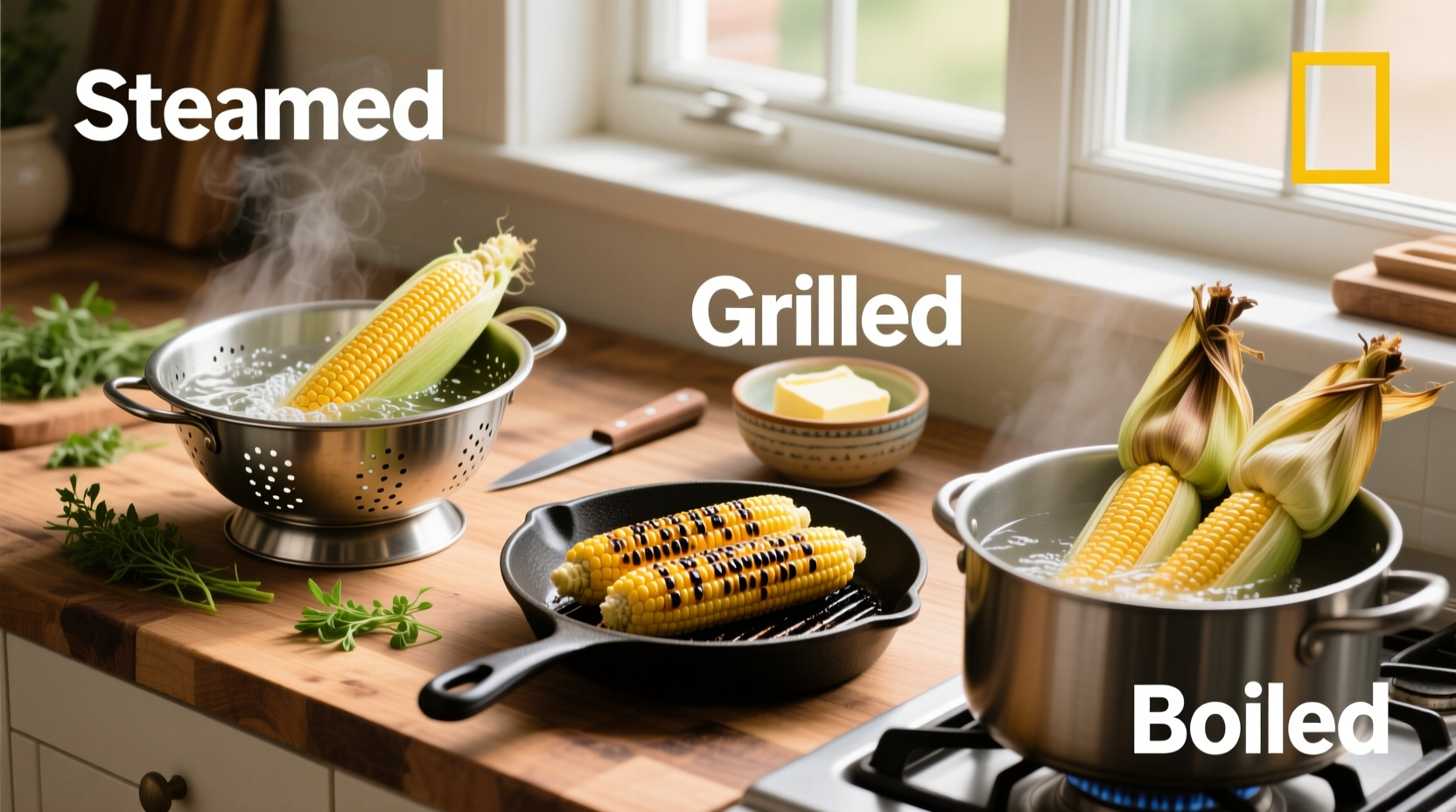
Corn’s sweetness peaks shortly after harvest, and improper cooking can dull its natural sugars or turn it mushy. High heat for too long breaks down cell structure, while undercooking leaves it tough. The goal is to heat the kernels just enough to make them tender without sacrificing their crisp bite or vibrant color.
Different cooking methods bring out different qualities. Boiling is fast and consistent. Grilling adds smoky depth. Roasting concentrates flavor, and microwaving offers unmatched convenience. Choosing the right method depends on your time, tools, and desired outcome.
Step-by-Step Guide to Boiling Corn on the Cob
Boiling remains the most popular method because it's simple and yields evenly cooked ears. Follow these steps for optimal results:
- Select 4–6 ears of fresh corn.
- Peel off the husks and remove all silk strands.
- Fill a large pot with water—enough to submerge the corn completely.
- Bring water to a rolling boil.
- Gently place corn into the boiling water.
- Cover the pot and reduce heat to medium.
- Cook for exactly 5–7 minutes. No longer.
- Remove with tongs and serve immediately.
Adding a pinch of sugar to the water can enhance sweetness, though it's rarely necessary with ripe corn. Avoid adding salt during boiling—it can toughen the kernels.
“Overcooking is the biggest mistake people make with corn. Five minutes in boiling water is all you need.” — Chef Maria Thompson, Farm-to-Table Specialist
Grilling for Smoky Flavor and Charred Sweetness
Grilling imparts a deep, caramelized flavor that boiling can't match. It works best when you want a rustic, summery taste—ideal for barbecues and outdoor meals.
Two Grilling Methods: Husked vs. Foil-Wrapped
Husked Method (Direct Grill): Peel back the husk, remove silk, then fold husk back over the ear. Soak in cold water for 15–20 minutes. Place directly on a preheated grill (medium-high heat). Cook 15–20 minutes, turning occasionally. The husk protects the kernels while allowing smoke to infuse.
Foil-Wrapped Method (Butter-Infused): Remove husks and silk. Coat each ear lightly with butter, garlic, and herbs if desired. Wrap tightly in aluminum foil. Grill for 15 minutes, turning once. This method steams the corn slightly while adding rich flavor.
Retail-Style Roasting in the Oven
Oven roasting delivers restaurant-quality corn with minimal effort. It’s excellent when grilling isn’t an option or when cooking indoors during cooler months.
Simple Roasting Steps:
- Preheat oven to 400°F (200°C).
- Peel husks and remove silk.
- Place corn directly on the middle rack or on a baking sheet.
- Rent for 20–25 minutes, turning halfway through.
- Kernels should be tender and slightly blistered.
The dry heat of the oven enhances natural sugars through gentle caramelization. For added richness, rub ears with olive oil or butter before roasting.
Microwaving: The Fastest Method for One or Two Ears
When speed is essential, microwaving is surprisingly effective. It preserves moisture and nutrients better than boiling and takes less than five minutes.
How to Microwave Corn on the Cob:
- Leave husk intact.
- Make two slits in the top of the husk to vent steam.
- Place one ear on a microwave-safe plate.
- Microwave on high for 3–4 minutes per ear.
- Let rest for 1 minute, then peel back husk and remove silk.
For multiple ears, add 1 minute per additional ear (up to four). Microwaved corn retains more of its natural juiciness and requires no cleanup from pots or grills.
Comparison Table: Cooking Methods at a Glance
| Method | Time | Flavor Profile | Best For | Key Tip |
|---|---|---|---|---|
| Boiling | 5–7 min | Clean, sweet | Large batches, quick meals | Don’t oversalt water |
| Grilling (husked) | 15–20 min | Smoky, charred | Outdoor gatherings | Soak husks first |
| Roasting (oven) | 20–25 min | Toasted, rich | Indoor cooking | Turn halfway |
| Microwaving | 3–5 min | Juicy, fresh | One or two servings | Vent husk before heating |
Real Example: A Backyard Cookout Success Story
Sarah from Austin hosts a monthly summer dinner for friends. Last July, she tried foil-wrapped grilling for the first time after reading about it online. She seasoned each ear with melted butter, chopped cilantro, and a squeeze of lime before wrapping. Her guests were impressed by the depth of flavor, assuming she’d spent hours preparing. In reality, prep took 10 minutes, and cooking was hands-off. “It became our new favorite,” she said. “The smoky butter flavor made the corn the star of the meal.”
Essential Tips for Perfect Corn Every Time
- Buy local and in-season: Corn loses sugar rapidly after harvest. Farmers’ market corn often tastes sweeter than supermarket varieties.
- Cook immediately: If not eating right away, store unpeeled corn in the refrigerator for up to 2 days.
- Don’t overcook: Regardless of method, exceeding recommended times leads to mushy texture.
- Season after cooking: Salt applied before or during cooking can toughen kernels. Add it just before serving.
- Use the whole cob: Leftover cobs can be simmered to make flavorful stocks for soups and chowders.
FAQ
Can I freeze corn on the cob before cooking?
Yes, but blanch it first. Boil shucked ears for 3 minutes, cool in ice water, then freeze in airtight bags. Thaw before cooking. Note: frozen corn may be slightly softer than fresh.
Is it safe to eat raw corn on the cob?
Absolutely. Fresh, young corn is naturally sweet and crisp. Raw corn works well in salads and salsas. Just ensure it’s thoroughly washed and sourced from a clean environment.
Why does my boiled corn turn out chewy?
Chewiness usually comes from undercooking or using older corn. Ensure water is at a full boil before adding corn, and cook for at least 5 minutes. Also, check the freshness—older corn has tougher kernels.
Final Checklist: How to Cook Corn on the Cob Like a Pro
- Choose fresh corn with tight husks and moist silk.
- Select a cooking method based on time, flavor, and setting.
- Prepare corn properly—remove silk, keep or remove husk as needed.
- Cook within recommended time frames.
- Season after cooking with butter, salt, herbs, or spices.
- Serve immediately for best texture and flavor.
Conclusion
Perfectly cooked corn on the cob doesn’t require gourmet tools or complex recipes. Whether you’re boiling for a weeknight side, grilling for a weekend barbecue, or microwaving for a solo lunch, the key is simplicity and timing. By respecting the vegetable’s natural qualities and choosing the right method, you elevate a humble ear of corn into something memorable.




 浙公网安备
33010002000092号
浙公网安备
33010002000092号 浙B2-20120091-4
Comments
No comments yet. Why don't you start the discussion?