
Metal keychains often endure daily wear—exposure to skin oils, dust, moisture, and pocket lint can leave them looking dull or tarnished over time. While they may seem minor in function, a clean, polished keychain enhances both appearance and hygiene. The good news is that restoring their luster doesn’t require harsh chemicals or expensive tools. With household ingredients and careful techniques, you can safely deep clean and shine most metal keychains at home. This guide covers proven, gentle methods tailored to different metals, including stainless steel, brass, copper, and silver-plated finishes.
Understanding Your Keychain’s Metal Type
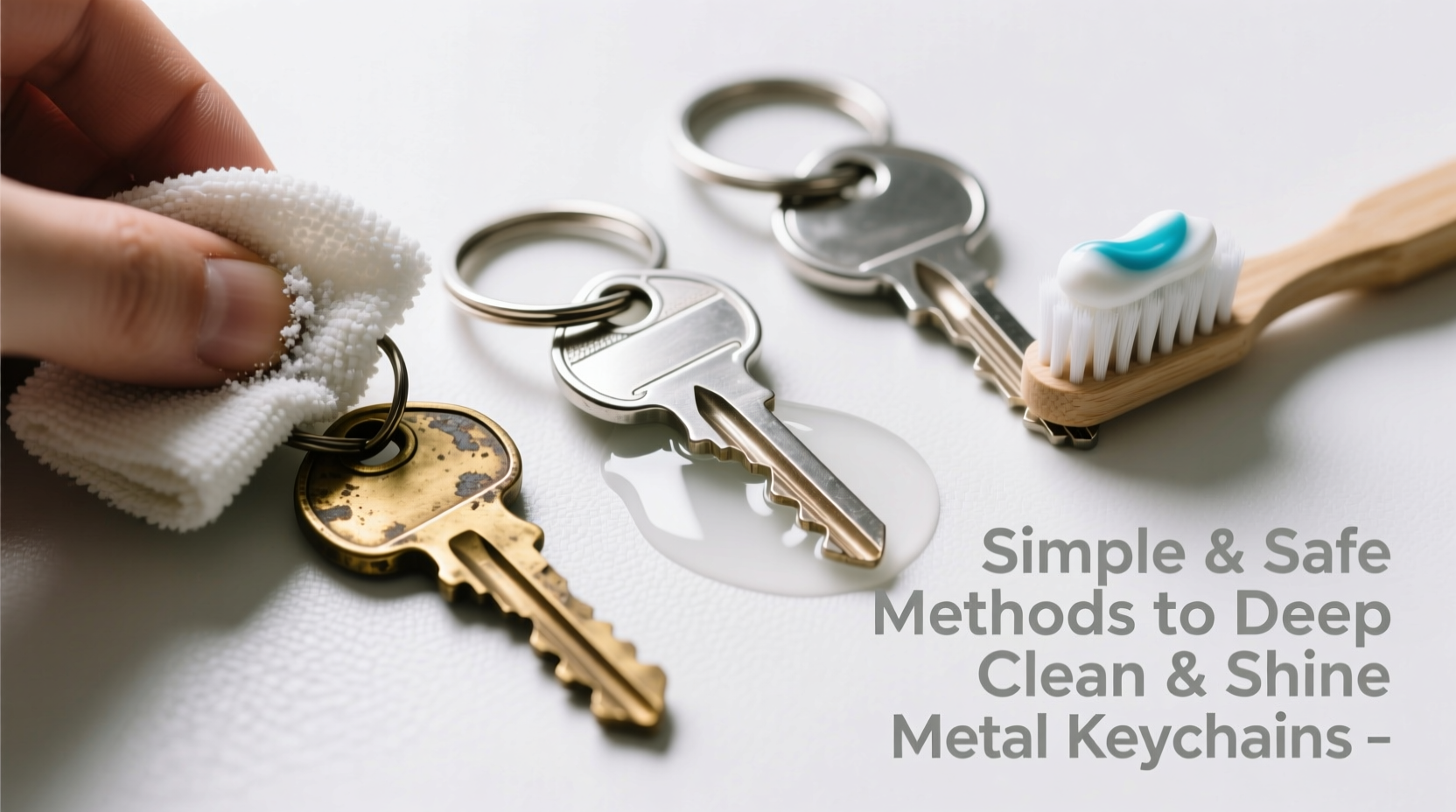
Before cleaning, identifying the type of metal is crucial. Different metals react differently to cleaning agents. Using an abrasive or acidic solution on a delicate finish can cause irreversible damage. Most common metal keychains fall into one of these categories:
- Stainless Steel: Durable, rust-resistant, and low maintenance. Common in modern keychains.
- Brass: Prone to tarnish but responds well to mild acid-based cleaners.
- Copper: Develops a green patina over time; can be restored with vinegar or lemon juice.
- Silver or Silver-Plated: Easily tarnishes; requires gentle polishing to avoid scratching.
- Aluminum: Lightweight and corrosion-resistant, but scratches easily.
If unsure, assume your keychain is plated or made from a softer alloy. When in doubt, start with the mildest method and test on a small, inconspicuous area.
Step-by-Step Guide to Deep Cleaning Metal Keychains
A thorough cleaning removes grime, kills bacteria, and prepares the surface for polishing. Follow this timeline-safe process for best results:
- Disassemble if possible: Remove split rings, jump rings, or charms. This allows full access to crevices and prevents trapped moisture.
- Rinse under lukewarm water: Wash away loose dirt. Do not soak porous materials like leather tags attached to the keychain.
- Prepare a cleaning solution: Choose one based on metal type (see table below).
- Soak for 5–10 minutes: For heavily soiled items, extend to 15 minutes—but never exceed 20 minutes.
- Scrub gently: Use a soft-bristled toothbrush to reach engraved areas or textured surfaces.
- Rinse thoroughly: Residue from cleaning agents can accelerate tarnishing.
- Dry completely: Pat dry with a microfiber cloth, then air-dry for 10 minutes before polishing.
- Polish for shine: Use a dedicated metal polish or DIY alternative (recipes below).
Recommended Cleaning Solutions by Metal Type
| Metal Type | Safe Solution | Avoid |
|---|---|---|
| Stainless Steel | Warm water + mild dish soap | Bleach, chlorine |
| Brass | Vinegar + salt paste or commercial brass cleaner | Ammonia, abrasive powders |
| Copper | Lemon juice + baking soda mix | Harsh acids (e.g., hydrochloric) |
| Silver / Plated | Baking soda + aluminum foil method | Steel wool, alcohol wipes |
| Aluminum | Mild soap + water | Vinegar, citrus (can etch surface) |
DIY Shine-Boosting Formulas
Commercial polishes work well, but many contain chemicals unsuitable for frequent use. These natural alternatives are effective and safe when used correctly.
1. Baking Soda & Water Paste (Universal)
Mix two parts baking soda with one part water to form a thick paste. Apply with a soft cloth, rub in circular motions, then rinse and dry. Ideal for stainless steel and aluminum.
2. Vinegar-Salt Scrub (Brass & Copper)
Combine 1/4 cup white vinegar with 1 tablespoon salt until dissolved. Dip a cloth or brush into the solution and gently scrub the surface. Rinse immediately after treatment to prevent over-corrosion.
3. Aluminum Foil Tarnish Remover (Silver Only)
Lay a piece of aluminum foil in a bowl, shiny side up. Add one tablespoon baking soda and one teaspoon salt. Pour in hot water to dissolve, then place silver keychains in contact with the foil. Wait 3–5 minutes. The chemical reaction pulls tarnish from the silver onto the foil. Remove, rinse, and buff dry.
“Using reactive methods like the foil-baking soda bath is excellent for silver because it cleans without abrasion. That’s critical for preserving thin plating.” — Dr. Lena Reyes, Materials Conservation Specialist
Mini Case Study: Reviving a Family Heirloom Keychain
Mark inherited a brass keychain from his grandfather, engraved with initials and a vintage logo. After decades in a drawer, it was darkened with tarnish and had sticky residue from old adhesive. He avoided commercial cleaners, fearing damage to the engraving. Instead, he applied a vinegar-salt solution with a cotton swab, focusing only on stained areas. After five minutes, he rinsed and dried it with a lint-free cloth. A final buff with a jewelry polishing cloth brought back a warm, reflective glow. The engraving remained sharp, and the keychain looked nearly new—all without professional help.
Essential Care Checklist
To maintain shine and prevent buildup, follow this monthly routine:
- ☐ Inspect for grime, scratches, or loose parts
- ☐ Wipe down with a damp microfiber cloth
- ☐ Disinfect with a 70% isopropyl alcohol wipe (avoid prolonged contact)
- ☐ Deep clean using appropriate solution (rotate every 3 months)
- ☐ Polish lightly to restore shine
- ☐ Store in a dry, ventilated space away from humidity
Frequently Asked Questions
Can I use toothpaste to clean my metal keychain?
Yes, but cautiously. Non-gel, white toothpaste works as a mild abrasive for stainless steel or copper. However, it can scratch softer metals like silver plating. Always rinse thoroughly and limit use to once every few months.
How often should I deep clean my keychain?
Every 4–6 weeks is ideal for regularly used keychains. If exposed to sweat, saltwater, or soil (e.g., gym or beach trips), clean within 24 hours to prevent corrosion.
Will vinegar damage stainless steel?
Prolonged exposure can. While short-term soaking in diluted vinegar is safe for tough stains, repeated or extended use may dull the finish or compromise protective layers. Stick to soap and water for routine cleaning.
Final Thoughts and Call to Action
A gleaming keychain is more than just aesthetic—it reflects attention to detail and personal care. Simple habits like regular wiping, timely deep cleaning, and proper storage go a long way in preserving both function and appearance. Whether it’s a sentimental keepsake or a practical everyday carry item, your metal keychain deserves thoughtful maintenance.
Start today: pull out your keys, assess the condition, and apply one of the safe methods outlined here. You’ll be surprised how quickly a little effort restores brightness and confidence in your daily essentials.




 浙公网安备
33010002000092号
浙公网安备
33010002000092号 浙B2-20120091-4
Comments
No comments yet. Why don't you start the discussion?