
Slime has become a favorite sensory activity for children and adults alike, offering both entertainment and therapeutic benefits. While many recipes rely on shaving cream for a fluffy texture, not everyone has it on hand—and some prefer to avoid aerosols or fragranced products, especially when making slime with young kids. The good news is that you can create smooth, stretchy, and satisfying slime using only common household ingredients. These alternatives are not only accessible but also safer, more predictable, and easier to customize in color and consistency.
Why Skip Shaving Cream?
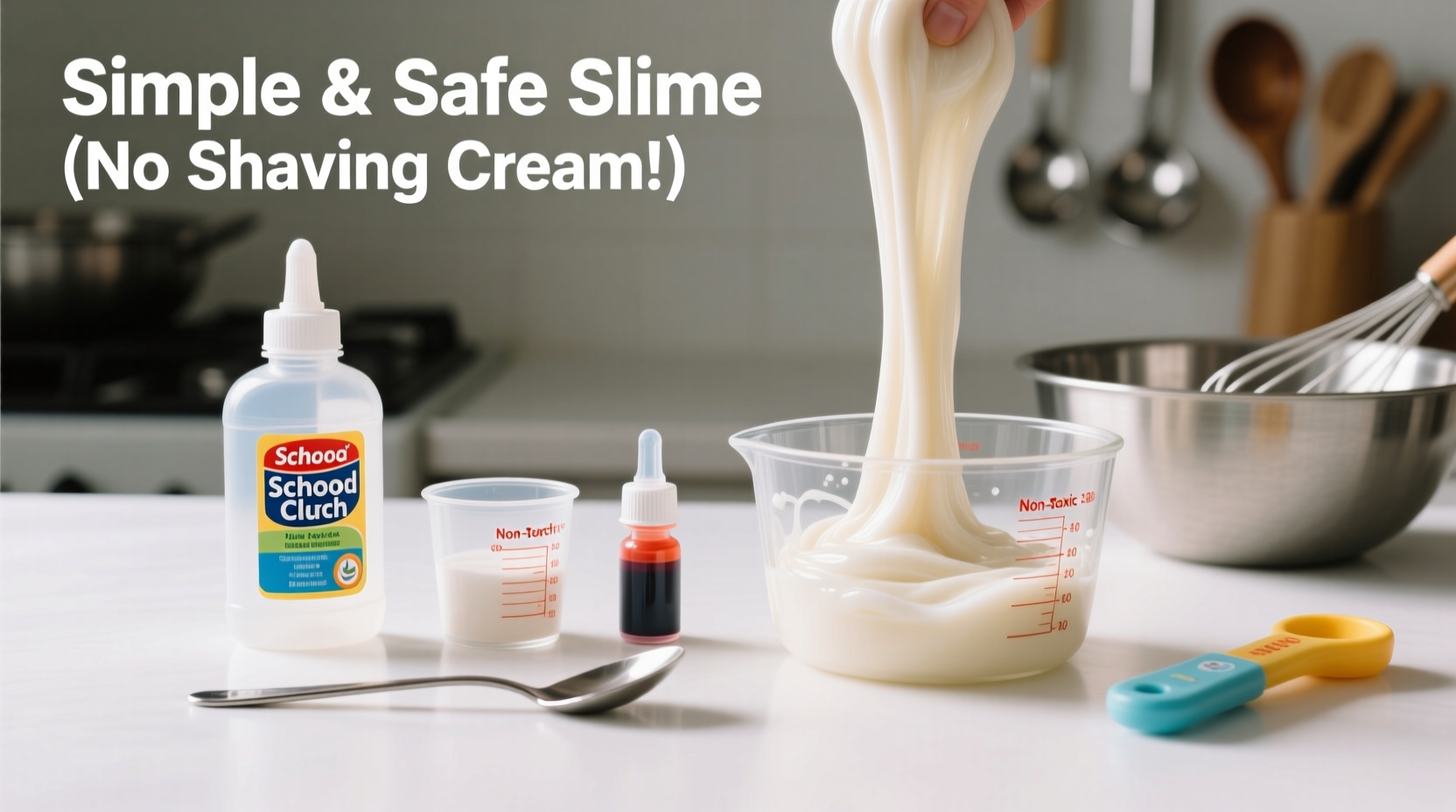
Shaving cream is often used in slime to create a light, cloud-like texture. However, it comes with several drawbacks. It contains synthetic fragrances and chemicals that may irritate sensitive skin. Additionally, the foaming agents break down quickly, leading to inconsistent results. Over time, shaving cream-based slime tends to deflate, dry out, or separate faster than other types. For parents and educators prioritizing safety and longevity, non-shaving cream options offer better control over ingredients and texture.
“Using simple, food-grade or school-safe materials allows children to engage in sensory play without exposure to unnecessary chemicals.” — Dr. Lila Chen, Pediatric Occupational Therapist
Essential Ingredients for Safe, Effective Slime
The foundation of any great slime lies in its base and activator. Without shaving cream, you rely more on glue and texture modifiers like baking soda, saline solution, or liquid starch. Below is a breakdown of core components and their roles:
| Ingredient | Purpose | Notes |
|---|---|---|
| White school glue (PVA) | Forms the base polymer structure | Washable and non-toxic; ideal for kids |
| Clear glue | Creates transparent, glossy slime | Mix with white glue for balance |
| Baking soda | Stabilizes texture and reacts with activator | Use sparingly to avoid stiffness |
| Saline solution (with boric acid) | Activates cross-linking in glue | Must contain sodium borate or boric acid |
| Liquid laundry starch | Natural activator; creates soft, stretchy slime | Test brand compatibility first |
| Contact lens solution | Alternative activator (contains boric acid) | Avoid if allergic to eye care products |
Step-by-Step Guide to Flawless Slime Without Shaving Cream
Follow this reliable method to achieve a silky, stretchy, and non-sticky slime every time. This recipe uses basic supplies and takes less than 10 minutes.
- Gather your materials: ½ cup white school glue, ½ cup water, ½ tsp baking soda, 1 tbsp saline solution (with boric acid), food coloring (optional), glitter (optional).
- Mix glue and water: In a bowl, combine glue and water until smooth. This thins the glue for even mixing.
- Add baking soda: Stir in the baking soda thoroughly. This helps stabilize the polymer structure.
- Customize appearance: Add a few drops of food coloring and/or glitter. Mix well to distribute evenly.
- Activate the slime: Gradually pour in the saline solution while stirring. Begin with 1 teaspoon, then add more as needed.
- Knead by hand: Once the mixture pulls away from the bowl, use clean hands to knead for 3–5 minutes until smooth and elastic.
- Adjust consistency: If too sticky, add ½ tsp more saline. If too stiff, warm between palms or add a tiny bit of lotion.
This formula produces a classic stretchy slime with excellent sensory feedback—no shaving cream required.
Alternative Recipes for Unique Textures
Variety keeps slime fun and engaging. Try these proven variations to explore different feels and visual effects:
- Butter slime: Use 1 cup of clay or modeling dough mixed into activated slime for a moldable, putty-like texture.
- Clear slime: Replace white glue with clear PVA glue and use liquid starch as the activator for a glassy, jelly-like result.
- Crunchy slime: Add small foam beads, crushed packing peanuts, or rice cereal for auditory and tactile stimulation.
- Glitter slime: Mix in fine cosmetic-grade glitter after activation for a sparkly finish that doesn’t shed excessively.
Mini Case Study: Classroom Sensory Station Success
A third-grade teacher in Portland wanted to introduce a calming sensory station but was concerned about chemical exposure and mess. She tested a no-shaving-cream slime using only Elmer’s washable glue, baking soda, and saline solution. After ensuring all students had no sensitivities, she let children help mix small batches during free time. The slime remained stable for five days, stayed soft, and provided a soothing tactile experience. Students reported feeling calmer after using it during transitions. The teacher noted minimal cleanup and no allergic reactions—making it a sustainable addition to her classroom routine.
Safety First: Guidelines for All-Ages Slime Making
While slime is generally safe, supervision is crucial—especially with younger children. Follow these best practices:
- Always wash hands before and after playing with slime.
- Do not eat or mouth any part of the slime—even if ingredients are non-toxic.
- Discontinue use if skin irritation occurs; rinse with water immediately.
- Keep slime away from carpets, upholstery, and pets.
- Dispose of slime properly when it darkens, hardens, or develops odor.
“Sensory play supports fine motor development and emotional regulation, but safety must come first. Simpler ingredient lists reduce risk.” — Maria Gonzalez, Early Childhood Education Specialist
Checklist: Make Perfect Slime in 7 Steps
Use this quick-reference checklist before starting your next batch:
- ☐ Gather non-toxic glue, baking soda, and saline solution
- ☐ Verify saline contains boric acid or sodium borate
- ☐ Prepare mixing bowl and spoon
- ☐ Measure ½ cup glue + ½ cup water
- ☐ Add ½ tsp baking soda and mix well
- ☐ Incorporate color and glitter (optional)
- ☐ Slowly add saline solution until slime forms
- ☐ Knead by hand until smooth and stretchy
- ☐ Store in sealed container when done
Frequently Asked Questions
Can I make slime without borax or boric acid?
Yes, but the texture will differ. Alternatives like cornstarch and water create a temporary oobleck-like substance, not true slime. For lasting elasticity, a boron-based activator (like saline or contact solution) is necessary to form polymer chains.
My slime is too sticky. How can I fix it?
Add ½ teaspoon of saline solution at a time and knead thoroughly. If still sticky, rub a tiny amount of hand lotion on your palms while kneading—it conditions the slime without breaking it down.
Is homemade slime safe for toddlers?
Only under direct adult supervision. Toddlers may attempt to taste slime, so choose edible-thickener bases like cornstarch and omit chemical activators. Even non-toxic slime should be considered a sensory toy, not a teething tool.
Final Thoughts and Encouragement
Making slime without shaving cream isn’t just possible—it’s often better. You gain greater control over texture, safety, and shelf life while avoiding unnecessary additives. Whether you're crafting with kids, using slime for stress relief, or supporting sensory development, these straightforward methods deliver consistent, satisfying results. With just a few pantry staples, you can create endless variations that are as fun to make as they are to play with.




 浙公网安备
33010002000092号
浙公网安备
33010002000092号 浙B2-20120091-4
Comments
No comments yet. Why don't you start the discussion?